


India Fuel Shock Ahead? 85% Ethanol Petrol Plan Could Change Your Car Forever
The CSR Journal Magazine

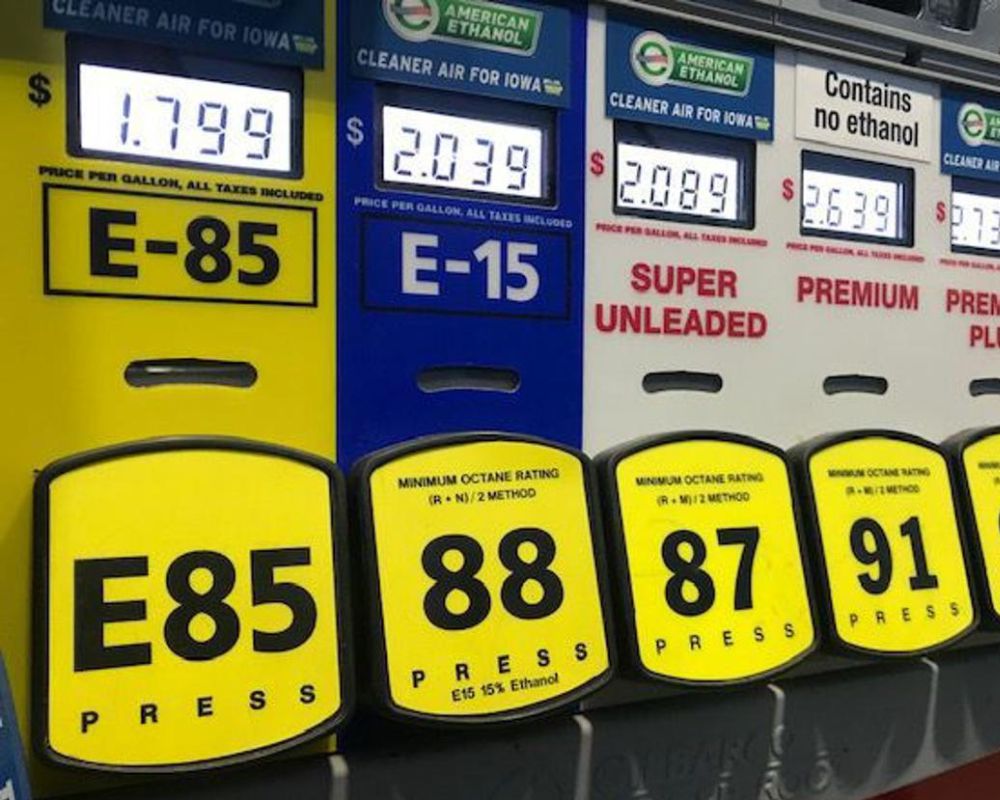
India may soon see cars running predominantly on ethanol, as the government is preparing to unveil draft regulations for E85, a fuel blend that consists of up to eighty-five per cent ethanol and fifteen per cent petrol. This initiative, rooted in plans initiated in 2016, emerges during a global energy crisis driven by geopolitical tensions in the Middle East. Multiple media sources have reported on the developments regarding E85.

A senior government official informed The Hindu that the draft regulations will be issued “very soon.” They noted that there is a consensus among government officials, and initial testing has already been conducted to gauge the feasibility of this fuel blend. The official’s comments have been supported by various outlets, including ET Auto.

Despite some necessary engine modifications, the roll-out of E85 is anticipated within a couple of years, according to another senior official who confirmed that a draft notification is nearing completion. This fuel type will be distinct from the existing E20 variant, which allows for up to twenty-seven per cent ethanol blending. The mandatory sales of E20 petrol will commence across India from April 1, 2026.

Impact on Engine Compatibility and Infrastructure

Utilising E85 will necessitate the manufacture of new engines specifically designed for this high ethanol blend. Standard petrol engines are not equipped to handle the increased alcohol content, as doing so could result in corrosion, damage to seals, and overall poor vehicle performance. Only flex-fuel vehicles (FFVs), engineered to operate with E85, should be allowed to use this blend.

An engine built for E85 can also run on lower ethanol blends, such as E60, E50, or the standard E20. To accommodate the roll-out of E85, fuel dispensaries will need to establish dedicated infrastructure, which includes separate nozzles and storage systems to effectively manage the new fuel grade alongside E20. This requirement represents a significant challenge for fuel retailers.

The introduction of E85 is part of a broader governmental strategy that has been in discussion for approximately a decade. The Niti Aayog’s 2020-25 roadmap explicitly mentioned E85, with earlier endorsements dating back to 2016, where it was approved for various vehicle types alongside emission standards for ethanol blends.

Future of Ethanol in India’s Energy Landscape

Recent statements from officials suggest an abundant supply of ethanol within the country, which may not only fulfil the requirements for road transport but also support the necessary blending targets for aviation fuel in international flights. This is part of a broader commitment to reducing carbon emissions in alignment with global sustainability goals.

Advantages of employing higher ethanol blends include diminished crude oil imports and reduced environmental pollution, while simultaneously benefiting farmers who engage in the cultivation of ethanol feedstock. However, challenges remain; flex-fuel vehicles may experience lower fuel efficiency compared to traditional vehicles, and automotive manufacturers will need to rapidly develop compatible engines.

Moreover, oil companies are required to invest in new infrastructure to accommodate E85, necessitating a swift adaptation to new market demands. Educating consumers will also be vital to ensure that the new fuel is used appropriately, thus preventing the accidental utilisation of E85 in vehicles not designed for it. The government’s commitment to this initiative signifies a substantial shift towards renewable energy sources in India’s automotive sector.

Long or Short, get news the way you like. No ads. No redirections. Download Newspin and Stay Alert, The CSR Journal Mobile app, for fast, crisp, clean updates!

App Store –  https://apps.apple.com/in/app/newspin/id6746449540 

Google Play Store – https://play.google.com/store/apps/details?id=com.inventifweb.newspin&pcampaignid=web_share

Latest News

Popular Videos
