


Fuel Prices Hiked by Rs 3 Per Litre Across India, Inflation Concerns Grow
The CSR Journal Magazine

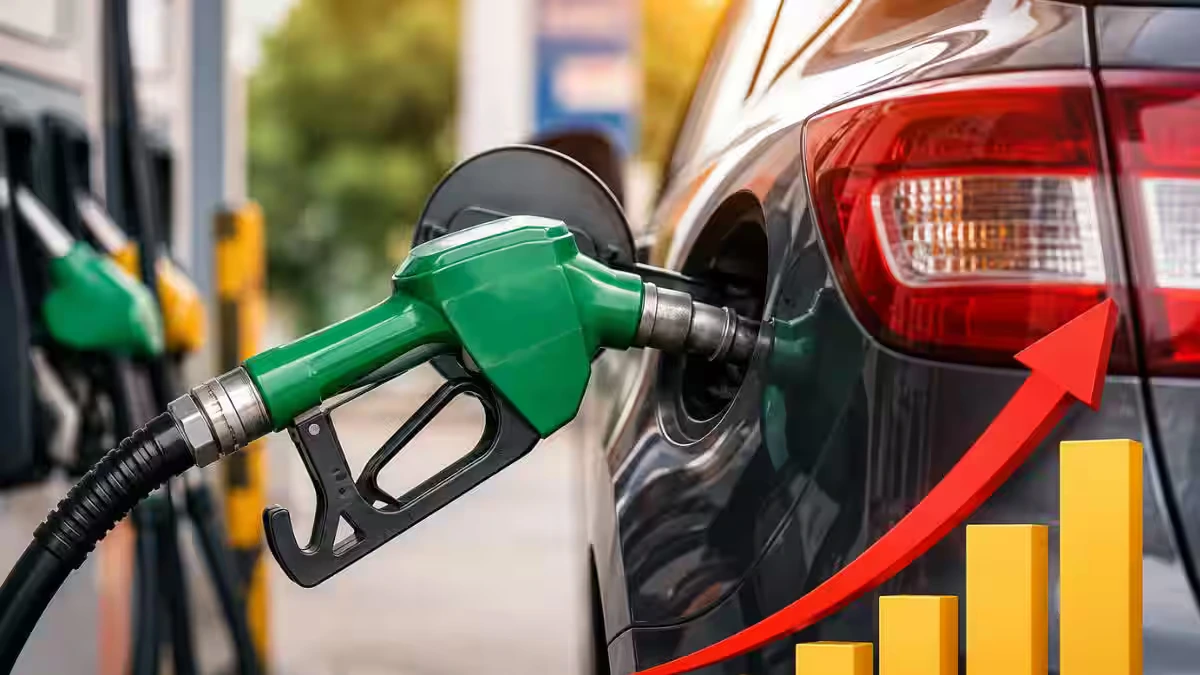
The recent rise in fuel prices is expected to push inflation back into focus in India’s economic discussions. On May 15, 2026, petrol and diesel prices were increased by around Rs 3 per litre, marking the first major hike in over four years. The move follows a sharp surge in global crude oil prices triggered by escalating geopolitical tensions in West Asia, with Brent crude remaining above the $100-per-barrel mark in recent weeks.

Economists suggest that this recent price increase may signal the start of a new trend in fuel-related inflation. If crude oil prices remain consistently high, the effects will likely permeate various aspects of the economy, influencing everything from transportation to everyday household expenses.

The immediate consequences are felt at petrol stations, but the broader impacts may take time to manifest, potentially affecting consumer prices across the board.

Broader Economic Effects of Fuel Price Increases

Fuel prices significantly impact more than just commuting costs in India. Diesel, which is used to transport various goods including food and essential supplies across the nation, plays a crucial role in the economic fabric. An increase in diesel prices leads to escalated transportation costs that ripple through the supply chain.

Many businesses initially cope with these rising costs, but ultimately, they are likely to pass increased expenses onto consumers. Dr Manoranjan Sharma, Chief Economist at Infomerics Ratings, highlighted that higher transportation and production costs will inevitably result in elevated prices of essential commodities.

The repercussions of rising fuel costs can manifest in gradually increasing prices for everyday items such as vegetables, dairy, and transportation fees, which could put additional strain on household budgets.

Potential Future Inflationary Pressures

The timing of the fuel price increase adds to concerns, given that India had been making strides in controlling inflation in the previous two years. The recent uptick in crude oil prices threatens to reverse this progress, causing unease among economists and market analysts. Senior economist Radhika Rao from DBS Bank stated that this hike was expected due to rising global crude costs and the financial pressures on domestic oil marketing companies.

DBS Bank forecasts that a 3% to 5% rise in fuel prices could elevate headline inflation by approximately 15 to 25 basis points. Economists are closely monitoring the “second-round effects,” where firms increase prices pre-emptively in anticipation of future rises in operational costs.

Consequently, widespread inflationary cycles could emerge, affecting various sectors including groceries and online retail. The potential for prolonged fuel inflation raises the spectre of consumer demand slowing, which could have broader implications for economic activity.

Concerns Over Household and Business Budgets

Moreover, logistics and delivery services are particularly sensitive to rising fuel costs. Food delivery and e-commerce companies that rely heavily on transport networks may initially absorb increased logistics costs but could soon need to pass these on to consumers in the form of higher charges or reduced offers.

With analysts predicting that this increase may not be the last, the government faces a delicate balancing act. While it must consider allowing fuel prices to reflect current market conditions, keeping them artificially low risks damaging both domestic oil marketing companies and government finances.

Long or Short, get news the way you like. No ads. No redirections. Download Newspin and Stay Alert, The CSR Journal Mobile app, for fast, crisp, clean updates!

App Store –  https://apps.apple.com/in/app/newspin/id6746449540 

Google Play Store – https://play.google.com/store/apps/details?id=com.inventifweb.newspin&pcampaignid=web_share

Latest News

Popular Videos
