


Ventilator Shortage in Islamabad Public Hospitals Raises Alarm After Journalist’s Death
The CSR Journal Magazine

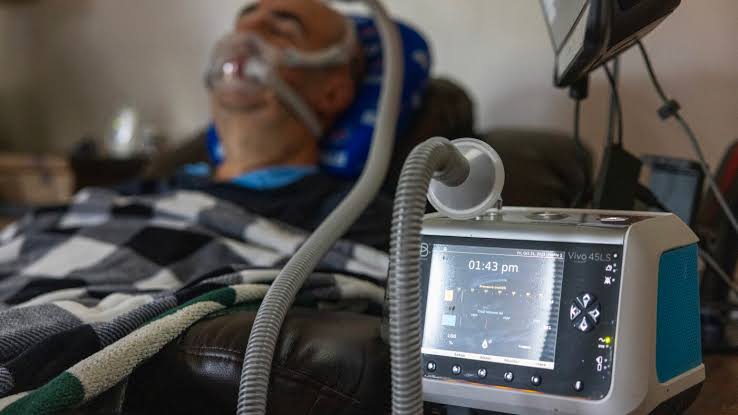
A severe shortage of ventilators in Islamabad’s leading public hospitals has left intensive care units operating at full capacity, forcing critically ill patients onto waiting lists and straining the city’s healthcare system. Hospital officials say the shortage is being driven by growing patient numbers, staffing shortages and financial constraints.

The crisis recently came into focus following the death of journalist Abid Raza Kazmi at the Pakistan Institute of Medical Sciences (PIMS), where doctors were unable to provide him with life support after all available ventilators in the intensive care unit were occupied, according to Dawn.

Journalist’s Death Brings Crisis Into Focus

Kazmi was admitted to PIMS after suffering a stroke, and doctors advised placing him on a ventilator. However, all 12 ventilators in the ICU were already in use.

His family attempted to shift him to a private hospital where a ventilator was available, but he died before the transfer could be completed, Dawn reported.

The incident has highlighted the mounting pressure on Islamabad’s public healthcare facilities, where demand for intensive care continues to outpace available resources.

Hospitals Struggle With Rising Demand

PIMS Executive Director Dr Rana Imran Sikander told Dawn that although the hospital has more than 90 ventilators spread across specialised intensive care units, almost all of them remain occupied throughout the year.

He said patients admitted to departments such as neurology and pulmonology often require ventilator support for around 20 days, reducing the availability of beds for new critical cases.

According to Dr Sikander, the crisis is the result of several factors, including financial limitations, an acute shortage of trained healthcare personnel and rapid population growth. He noted that PIMS was originally built to serve Islamabad when its population stood at around 500,000 but now provides treatment to nearly 5 million people from across the country under its “no refusal” policy. The hospital is often compelled to accommodate critically ill patients on stretchers because of the overwhelming demand.

Similar challenges are being faced at Islamabad’s Polyclinic Hospital. Hospital spokesperson Dr Abdul Jabbar Bhutto told Dawn that all 35 ventilators at the facility remain occupied almost continuously.

Staffing and Maintenance Challenges Add to Pressure

Dr Bhutto said increasing the number of ventilators alone would not resolve the crisis, as hospitals also face a severe shortage of trained staff needed to operate and monitor life-support equipment.

He added that high treatment costs at private hospitals, which can charge up to Rs 300,000 per day for intensive care, have driven many families, including those who can afford private healthcare, to seek treatment at government hospitals.

The heavy demand has also affected the maintenance of existing equipment. Dr Bhutto said essential planned periodic maintenance of ventilators is frequently delayed because taking a machine out of service requires removing a patient from life support, creating difficult ethical and practical challenges.

Expansion Plans and Local Manufacturing Proposed

To ease the pressure, PIMS is constructing a new hospital block that will add 40 ventilators under a government initiative. However, hospital officials stressed that expanding infrastructure alone will not be sufficient unless broader public health awareness improves and lifestyle-related illnesses are reduced to lower hospital admission rates.

Former Science and Technology Minister Fawad Chaudhry also highlighted the need to strengthen domestic manufacturing of advanced medical equipment. He said Pakistan’s efforts to produce high-end ventilators locally had stalled after the COVID-19 pandemic.

Chaudhry suggested that Pakistan should pursue joint ventures with Chinese companies to develop local manufacturing capabilities and reduce dependence on imported life-support equipment, according to Dawn.

Long or Short, get news the way you like. No ads. No redirections. Download Newspin and Stay Alert, The CSR Journal Mobile app, for fast, crisp, clean updates!

App Store –  https://apps.apple.com/in/app/newspin/id6746449540 

Google Play Store – https://play.google.com/store/apps/details?id=com.inventifweb.newspin&pcampaignid=web_share

Latest News

Popular Videos
