


India Celebrates Naxal-Free Milestone in Bastar on Independence Day
The CSR Journal Magazine

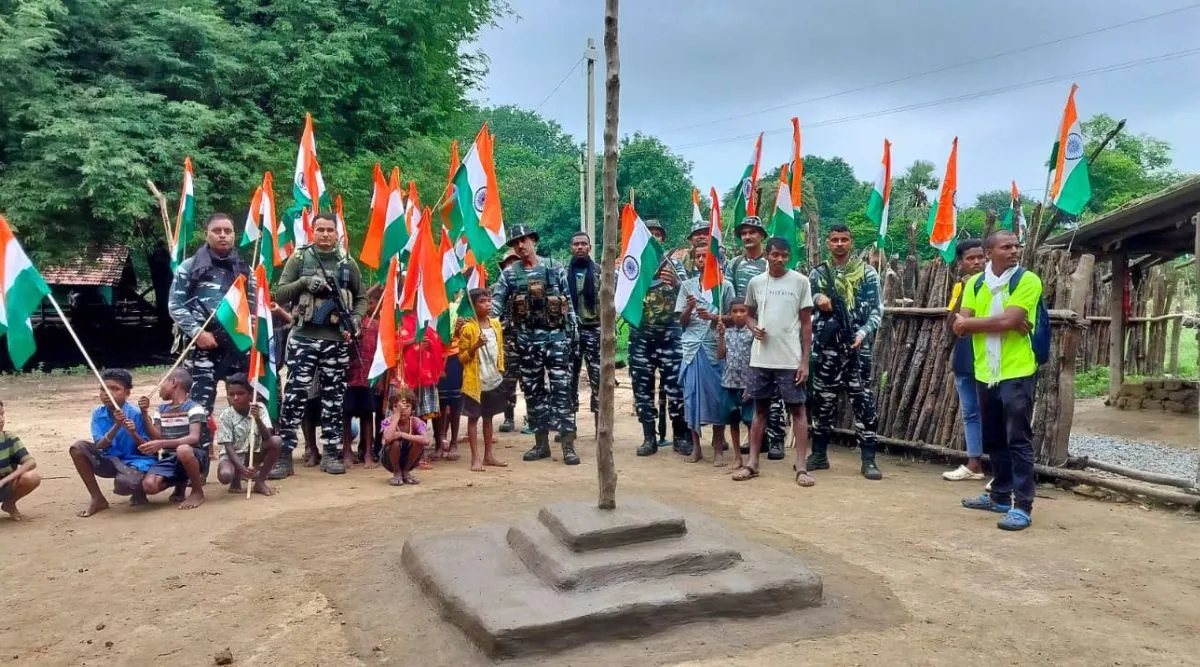
This year’s Independence Day marked a significant shift in Bastar, Chhattisgarh, where, for the first time, villagers celebrated without fear of Naxal violence. The celebrations were highlighted by the hoisting of the national flag at Karreguttalu Hills, an area once synonymous with armed conflict. Prime Minister Narendra Modi acknowledged the milestone, stating that Naxalism has been virtually eradicated from the region.

Union Home Minister Amit Shah shared a video of the event, reinforcing the importance of this occasion. He noted that where once the black flag of Naxal terror flew, the Tricolour now represents a new chapter of hope and patriotism. The emotional impact of this transformation can be felt across the region, which had long been mired in violence and fear.

For many in Bastar, this Independence Day has come to symbolise not just freedom from insurgency, but the re-establishment of their rights as citizens of India. The change is particularly poignant in a region that has suffered for decades under the shadow of armed groups.

Historical Context of Naxal Violence

The roots of the Naxal movement can be traced back to the 1967 Naxalbari uprising in West Bengal, which sparked a violent insurgency in central India. Over the decades, it became a significant internal security challenge for India, with the government admitting in 2009 that Naxalism had a remarkable geographical impact, overshadowing issues in regions like Kashmir and the Northeast.

By 2010, incidents related to Naxal violence had reached alarming levels, with thousands of fatalities affecting both security personnel and civilians alike. The persistent violence disrupted education and infrastructure, creating a self-fulfilling prophecy where the Naxalites asserted that the state had abandoned the population. This led to a cycle of destruction and despair that lasted for decades.

The collective toll included the loss of over 3,500 security personnel, intensified by the broader socio-economic disruption caused by the Naxal insurgency, which hindered local development for far too long.

Strategic Response and Reconstruction Efforts

The government’s response began in earnest in 2015 with the introduction of a National Policy and Action Plan. This framework aimed to restructure the fragmented approach previously taken by various states and establish a unified strategy encompassing security, development, and welfare.

Key efforts included the restoration of trust in the Indian state through increased security and development initiatives. For instance, the number of police stations in the Red Corridor expanded remarkably from 66 to 597. Additionally, new technological methods were integrated into operations, adding precision to counter-insurgency initiatives.

Peer-reviewed strategies such as “Trace, Target, Neutralise” facilitated targeted operations leading to the dismantling of prominent Naxal strongholds. Furthermore, financial measures to curb Naxal funding have also contributed significantly to the weakening of their influence.

In a move to promote lasting peace, the government initiated development projects focusing on infrastructure, education, and welfare. The construction of roads, schools, and banks across LWE-affected areas aimed to integrate these villages into the broader socio-economic framework of the country, demonstrating a commitment to their well-being.

New Opportunities in a Transformed Bastar

The developments in Bastar have catalysed a revival of community spirit and normalcy. Since 2014, significant advancements in education and basic services have been documented, uplifting local economies and encouraging a new generation that sees hope instead of fear.

Villagers are beginning to articulate their experiences of safety and freedom. Flag-hoisting ceremonies that had halted due to violence have now resumed, empowering local pride and participation in national celebrations.

As Bastar reflects on its journey toward peace, the memories of former conflicts serve as reminders of the sacrifices made. The Tricolour now represents a shared vision for the future, where educational opportunities and community engagement thrive, which may lead to a transformative narrative for generations to come.

Long or Short, get news the way you like. No ads. No redirections. Download Newspin and Stay Alert, The CSR Journal Mobile app, for fast, crisp, clean updates!

App Store –  https://apps.apple.com/in/app/newspin/id6746449540 

Google Play Store – https://play.google.com/store/apps/details?id=com.inventifweb.newspin&pcampaignid=web_share

Latest News

Popular Videos
