


Dim Torka: The Journey of Dal and Egg as Comfort Food in Eastern India
The CSR Journal Magazine

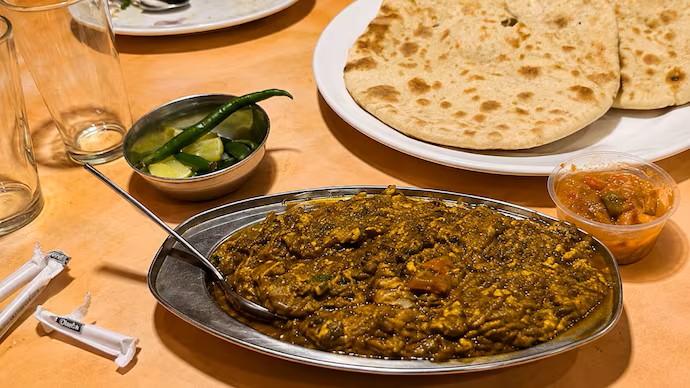
Dim torka, a dish combining lentils and scrambled eggs, has become a hallmark of comfort food in eastern India. It is not uncommon for people to question the combination of dal and eggs, yet this dish has established itself as a beloved staple. The culinary journey of dim torka traces back to the evolution of how lentils were prepared in various regional cooking styles, particularly in West Bengal, Odisha, and Assam. The basic premise involves cooking lentils with familiar spices and topping it with scrambled eggs, offering a nudity that feels both familiar and novel.

Initially, dim torka was primarily consumed outside the home, often found at roadside eateries called dhabas or small hotels known as pice hotels. These establishments began proliferating along highways, catering to truck drivers and travelers, and adapting their menus to local tastes. Eventually, dim torka made its way into the kitchens of eastern Indian households, breaking the barrier between street food and home cooking.

Food culture in Kolkata has played a pivotal role in shaping the dish. For many families, dim torka represents more than just a meal; it evokes memories of shared experiences and communal dining. Unlike elaborate dishes prepared for special occasions, dim torka was cherished as a simple yet satisfying option for dinners, especially on evenings when cooking was minimal.

The Culinary Influence of Dhaba Culture

Several narratives describe the evolution of dim torka, with one explaining its origins within the context of dhaba culture that flourished along the routes into Calcutta. As commercial transport grew, roadside eateries emerged, introducing dishes that catered to the appetites of passing travellers. It is theorised that the practice of mixing eggs or meat into dal originated from an astute observation of regional tastes, particularly in Bengal, where non-vegetarian food is immensely popular.

In exploring this culinary phenomenon, food writer Kalyan Karmakar has documented insights from food historian Pritha Sen, who notes that the term “torka” began gaining traction in Kolkata slang around the 1980s. This was a period when dhabas were becoming well-established in urban areas, bringing regional adaptations to traditional dal dishes. The transformation not only enhanced the flavour profile but also offered a more substantial meal at a reasonable cost.

It is essential to acknowledge that food does not always carry a clear lineage. The rich tapestry of flavours and textures merges various culinary traditions, complicating efforts to pinpoint a definitive origin for dim torka. Aspects such as local preferences and the cultural interplay between communities contribute to the dish’s evolving identity in modern society.

Wider Cultural Connections and Perceptions

While the story of dim torka can be traced through various interpretations, some culinary experts suggest its potential existence predates its popularisation in the late 20th century. Food writer Madhushree Basu Roy proposes that the dish may have been shaped by Odia cooks working in Kolkata’s pice hotels, who could have returned home with their variations of torka, thus intertwining culinary influences.

Interestingly, the dish seems to be less recognised in other regions of India, even among those familiar with the broader dhaba culture. Culinary encounters often reveal a disconnect; for instance, Punjabi chefs might be surprised at the very mention of dim torka, having never experienced a fusion of dal and eggs alongside their typical fare. This highlights the diverse and often forgotten geographical aspects of Indian cuisine.

Ultimately, dim torka stands not only as a dish but as a testament to the rich culinary heritage of eastern India. Its comforting, smoky flavour and the simplicity of its preparation continue to evoke nostalgia and connections to home, making it a significant part of the region’s culinary landscape.

Long or Short, get news the way you like. No ads. No redirections. Download Newspin and Stay Alert, The CSR Journal Mobile app, for fast, crisp, clean updates!

App Store –  https://apps.apple.com/in/app/newspin/id6746449540 

Google Play Store – https://play.google.com/store/apps/details?id=com.inventifweb.newspin&pcampaignid=web_share

Latest News

Popular Videos
