



India Mandates Passport Disclosure for Citizenship Seekers from Pakistan and Bangladesh

The CSR Journal Magazine

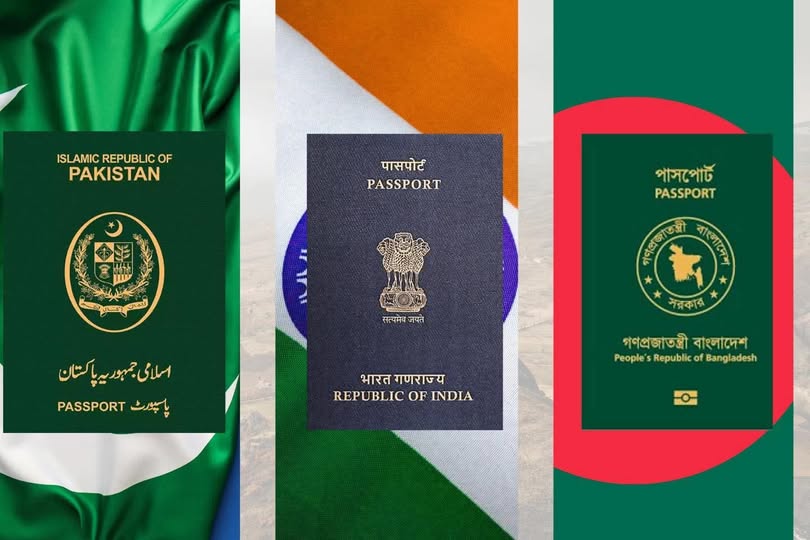
The Indian government has implemented a new requirement for individuals seeking citizenship from Pakistan, Afghanistan, and Bangladesh. This was established through a notification issued by the Home Ministry on May 18, 2026. The amended Citizenship Rules now necessitate that applicants disclose information regarding their passport status from their country of origin.

Under the amended regulations, applicants must confirm that they do not possess a valid or expired passport issued by the governments of these three nations. If an applicant holds an active passport, they are required to provide specific details, including the passport number, the date and place of issuance, as well as the date of expiry.

This change aims to enhance the vetting process for citizenship applications and ensure better regulation of individuals entering the country. The requirement is part of broader amendments to the Citizenship Rules established in 2009.

Details of the New Regulation

The new stipulation indicates that upon approval of their citizenship application, successful applicants must surrender their valid or expired passports. They are required to submit these documents to the Senior Superintendent of Post or the Superintendent of Post within 15 days of receiving their citizenship approval.

This process aims to prevent dual nationality scenarios and maintain a clear record of citizenship statuses for individuals transitioning from various national backgrounds. The updated guidelines will be implemented directly following Schedule IC of the Citizenship Rules, which specifically pertains to members of certain religious communities from Pakistan, Bangladesh, and Afghanistan.

The amendment is particularly notable as it lays out a clearer and more structured approach to citizenship for non-Muslim migrants belonging to Hindu, Sikh, Buddhist, Jain, Parsi, and Christian communities. This group has been allowed to apply for Indian citizenship under the provisions established by the Citizenship (Amendment) Act, 2019.

Implications of the Amendment

This regulatory change may significantly impact the influx of applications from individuals seeking Indian nationality. It is designed to enforce stricter compliance regarding passport possession among applicants. By outlining specific disclosure requirements, the amendment seeks to streamline the application process while reinforcing national immigration policies.

Citizenship applications will now undergo enhanced scrutiny as a result of this amendment. Authorities are expected to enforce these new regulations diligently, assessing the applicants’ compliance with the passport disclosure mandate. Failure to adhere to these requirements may result in application rejections, thereby tightening the pathways to citizenship.

The introduction of passport disclosure aligns with the government’s ongoing efforts to safeguard India’s immigration laws while ensuring that processes related to citizenship are both effective and transparent. Stakeholders in the domain of immigration law and human rights are likely to closely monitor the effects of this amendment as it unfolds in practical scenarios.

Long or Short, get news the way you like. No ads. No redirections. Download Newspin and Stay Alert, The CSR Journal Mobile app, for fast, crisp, clean updates!

App Store –  https://apps.apple.com/in/app/newspin/id6746449540 

Google Play Store – https://play.google.com/store/apps/details?id=com.inventifweb.newspin&pcampaignid=web_share

Latest News

Popular Videos