


Blood Test Can Predict Lung Cancer Five Years Before Diagnosis
The CSR Journal Magazine

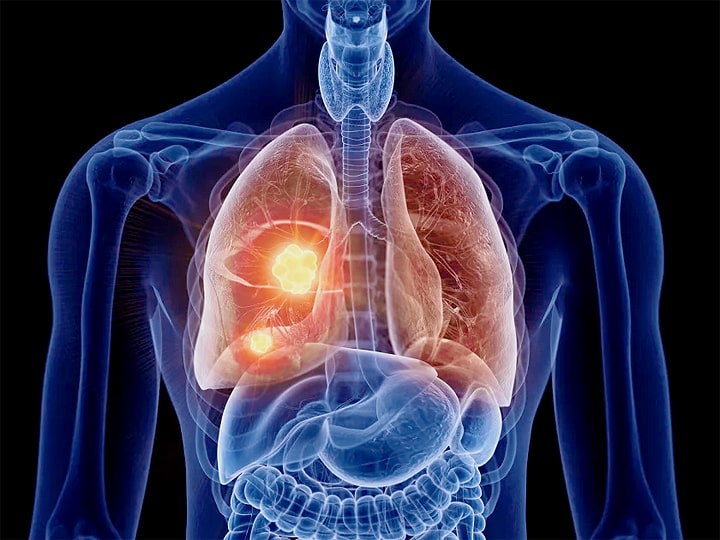
Scientists have identified a set of warning signals in the blood that can predict a person’s risk of developing lung cancer more than five years before diagnosis, a breakthrough that could significantly improve early detection and prevention efforts for one of India’s deadliest cancers.

The findings, published in the journal Cell, revealed a 14-protein blood signature capable of identifying individuals at elevated risk of lung cancer a median of 5.6 years before the disease is diagnosed. Researchers believe the discovery could eventually help doctors identify high-risk individuals earlier, allowing for closer monitoring, targeted screening and preventive interventions.

The development is particularly significant for India, where lung cancer remains a major public health challenge. Cases are projected to rise from approximately 63,700 in 2015 to more than 81,000 by 2025, while an estimated 80-85 per cent of patients are diagnosed only after the disease has reached an advanced stage.

Protein Signature Offers Early Risk Assessment

The study analysed blood samples and health records from more than 48,000 participants enrolled in the UK Biobank. Researchers identified a combination of 14 proteins that, when assessed alongside factors such as age, smoking history and chronic lung disease, predicted future lung cancer risk more accurately than existing assessment models.

The findings were subsequently validated across eight international cohorts involving more than 2,000 lung cancer cases, strengthening confidence in the results.

According to experts, the discovery does not represent a diagnostic test capable of detecting existing tumours. Instead, it functions as a risk-assessment tool that identifies individuals who may be more likely to develop lung cancer in the future.

Dr Abhishek Shankar, a radiation oncologist at All India Institute of Medical Sciences, said the distinction is important.

“The blood-based protein signature does not detect a tumour but identifies people at higher risk of developing lung cancer in future. Such people can then undergo more definitive screening,” he said.

He described the findings as an important scientific advance that could eventually help guide preventive strategies and targeted surveillance programmes.

Air Pollution Emerges As Significant Factor

One of the most notable findings from the study was that elevated protein signatures were observed not only among smokers but also among individuals exposed to particulate air pollution.

The discovery carries particular relevance for India, where worsening air quality has emerged as a major health concern in many urban centres.

Researchers found evidence suggesting that exposure to air pollution, cancer-causing genetic mutations and inflammation driven by the immune signalling molecule IL-1β may interact through biological pathways that contribute to tumour development.

The findings provide fresh insight into the mechanisms that may trigger lung cancer years before symptoms emerge or tumours become detectable through conventional methods.

While smoking remains the leading risk factor for lung cancer globally, the study adds to growing evidence that environmental exposures, including polluted air, may play a substantial role in increasing cancer risk.

More Research Needed Before Clinical Use

Despite the promising results, researchers and clinicians caution that additional studies will be necessary before the blood test can be incorporated into routine healthcare practice.

Dr Shankar emphasised that the protein signatures will require validation among Indian populations before they can be widely adopted in the country. Differences in genetics, environmental exposures and disease patterns mean that findings from international studies must be carefully evaluated in local settings.

Experts believe that if future studies confirm the results, blood-based risk assessment tools could complement existing lung cancer screening programmes rather than replace them. Individuals identified as high-risk could then undergo more specialised imaging and diagnostic evaluations.

The research represents a significant step towards personalised cancer prevention, offering the possibility of identifying vulnerable individuals years before disease develops. In a country where most lung cancer cases are diagnosed at advanced stages, such early-warning systems could eventually improve survival rates by enabling intervention long before symptoms appear.

Long or Short, get news the way you like. No ads. No redirections. Download Newspin and Stay Alert, The CSR Journal Mobile app, for fast, crisp, clean updates!

App Store –  https://apps.apple.com/in/app/newspin/id6746449540 

Google Play Store – https://play.google.com/store/apps/details?id=com.inventifweb.newspin&pcampaignid=web_share

Latest News

Popular Videos
