


Indian-Origin Researcher Helps Lead Breakthrough Pancreatic Cancer Drug Trial
The CSR Journal Magazine

A promising new drug for advanced pancreatic cancer has delivered encouraging results in a major clinical trial, offering fresh hope to patients battling one of the deadliest forms of cancer. The findings, presented at the Annual Meeting of the American Society of Clinical Oncology (ASCO), have drawn global attention, with Indian-origin oncologist Dr. Shubham Pant playing a key role in the research.

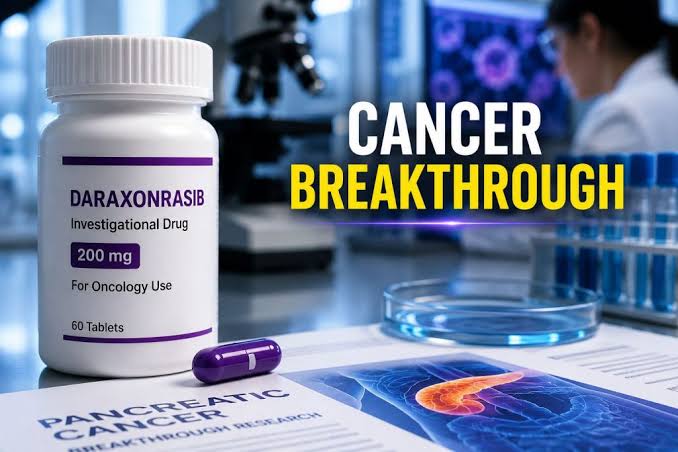
The experimental drug, Daraxonrasib, demonstrated the ability to significantly extend survival among patients with advanced pancreatic cancer, a disease known for its poor prognosis and limited treatment options.

A Major Advance Against a Deadly Cancer

Pancreatic cancer remains one of the most challenging cancers to treat. According to researchers, nearly 80 percent of patients are diagnosed at Stage IV, when the disease has already spread to other organs such as the liver or lungs.

Dr. Pant, a gastrointestinal oncologist at MD Anderson Cancer Center and co-investigator of the study, noted that survival rates for metastatic pancreatic cancer have changed little over the past several decades. Most patients diagnosed at an advanced stage survive for around a year or less.

The disease is often detected late because the pancreas is located deep within the body, making early symptoms difficult to identify. Common warning signs such as indigestion, back pain, and unexplained weight loss are often mistaken for less serious conditions.

Drug More Than Doubles Survival

The breakthrough centers on Daraxonrasib, a targeted therapy designed to block KRAS, a gene mutation responsible for approximately 90 percent of pancreatic cancer cases.

In the Phase III RASolute-302 trial, patients who had already received one round of chemotherapy were randomly assigned either standard treatment or Daraxonrasib. Historically, such patients have had a median survival of about six months.

However, those treated with Daraxonrasib achieved a median survival of 13.2 months, more than doubling previous expectations.

Researchers also reported significant improvements in quality of life, including reduced pain, better appetite, weight gain, and increased physical activity among patients.

Hope Beyond Pancreatic Cancer

The significance of the discovery extends beyond pancreatic cancer. KRAS mutations are also commonly found in lung and colorectal cancers, prompting researchers to investigate whether Daraxonrasib can be effective in treating those diseases as well.

Global studies are already underway to test the drug in newly diagnosed patients and in earlier stages of cancer following surgery.

While experts caution that the treatment is not a cure, they believe the results mark a major step forward in the fight against pancreatic cancer. Researchers are now urging governments, healthcare providers, and pharmaceutical companies to work together to ensure that innovative therapies become accessible and affordable for patients worldwide.

Long or Short, get news the way you like. No ads. No redirections. Download Newspin and Stay Alert, The CSR Journal Mobile app, for fast, crisp, clean updates!

App Store –  https://apps.apple.com/in/app/newspin/id6746449540 

Google Play Store – https://play.google.com/store/apps/details?id=com.inventifweb.newspin&pcampaignid=web_share

Latest News

Popular Videos
