


Israel and Iran Exchange Fresh Missile Strikes as Fragile Ceasefire Nears Collapse
The CSR Journal Magazine

The situation in the Middle East has significantly deteriorated following a series of mutual attacks between Israel and Iran, accompanied by missile strikes from Yemen’s Houthis. US media have reported that efforts to contain the crisis involved a conversation between President Donald Trump and Israeli Prime Minister Benjamin Netanyahu.

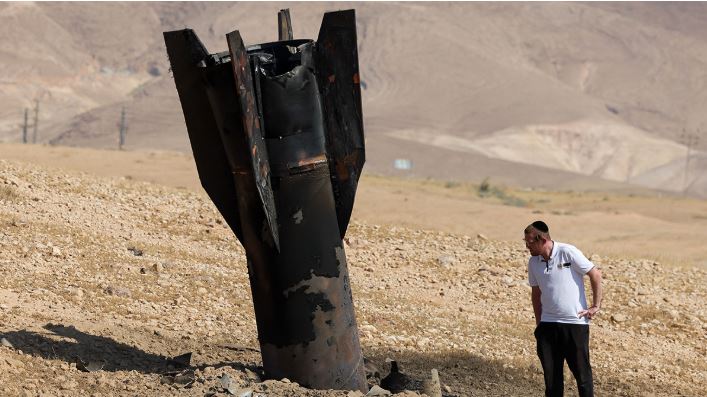
On June 8, 2026, the Islamic Revolutionary Guard Corps (IRGC) of Iran announced that it had targeted two Israeli airbases, Nevatim and Tel Nof, as retaliation for Israeli airstrikes that had occurred the previous night on radar installations across Iran. The response included a fresh wave of missiles allegedly launched from Iranian territory, which Israel’s military confirmed.

The Israeli Defence Forces reported they had struck multiple sites within a petrochemical complex located in Mahshahr, Iran, following their own missile attacks. This military action was prompted by an Iranian missile barrage aimed at northern Israel, which did not result in injuries but heightened tensions in the region.

Responses from Various Parties

The Houthis, a group aligned with Iran based in Yemen, claimed responsibility for launching a missile attack on Israel. They also announced a ban on Israeli maritime navigation in the Red Sea, further complicating the already volatile situation.

The escalation took a critical turn on Sunday, with Iranian forces firing missiles at northern Israel. This action marked the first significant breach of a truce established in April between the United States and Israel, aimed at reducing hostilities in the region.

Simultaneously, Israel responded by targeting positions held by Hezbollah in Lebanon’s southern suburbs, marking the first airstrikes in the Lebanese capital since the recent extension of the ceasefire was announced. Iranian spokesperson Ebrahim Zolfaghari condemned the actions, alleging that the US had tacitly enabled Israeli attacks on Beirut.

Tehran’s stance remains that ceasefire negotiations with Washington include a cessation of military actions in Lebanon. Despite this, reports indicate that Israeli forces have intensified their activities in southern Lebanon, claiming they were pursuing Hezbollah operatives responsible for launching drone and rocket attacks against Israel.

International Reactions and Ongoing Negotiations

Prime Minister Netanyahu has yet to publicly address the recent attacks. However, Israeli media suggest a security cabinet meeting is being convened for 11 am local time (08:00 GMT) to discuss the implications and necessary responses. This meeting indicates the urgency with which the Israeli leadership is treating the escalating situation.

As Washington engages in discussions with Tehran about potentially extending the ceasefire, the market has reacted sharply. Brent crude oil, the global benchmark, surged above $97 per barrel following the outbreak of hostilities. The negotiations aim to reopen the critical Strait of Hormuz, which had been impeded by Iran’s actions after US-Israeli operations began on February 28.

Despite the ongoing conflict, President Trump reportedly urged Netanyahu to refrain from further military actions in his conversation on Sunday night. Minister Itamar Ben-Gvir of Israel expressed a contrasting sentiment, advocating for a more aggressive stance against Iran. In separate interviews, Trump asserted his decisive role in the negotiations with Iran, maintaining that the flare-up would not derail ongoing discussions.

Long or Short, get news the way you like. No ads. No redirections. Download Newspin and Stay Alert, The CSR Journal Mobile app, for fast, crisp, clean updates!

App Store –  https://apps.apple.com/in/app/newspin/id6746449540 

Google Play Store – https://play.google.com/store/apps/details?id=com.inventifweb.newspin&pcampaignid=web_share

Latest News

Popular Videos
