



Indian cities were once symbols of hope. They represented opportunity, economic growth, better education, better healthcare, and the promise of a better life. Millions of Indians left their villages and small towns believing that cities like Mumbai, Delhi, Bengaluru, Chennai, Hyderabad, Kolkata and Pune would offer them a future that their hometowns could not. Today, that promise is beginning to look increasingly fragile.
For millions of urban Indians, daily life has become a relentless struggle against traffic congestion, polluted air, waterlogging, overcrowded public spaces, shrinking living spaces, rising housing costs, and crumbling infrastructure. The question many citizens are silently asking is no longer how to thrive in India’s cities, but simply how to survive in them. The uncomfortable truth is that India’s urban crisis did not emerge overnight. It is the result of decades of poor planning, short-term political thinking, weak governance, and a failure to anticipate the scale of urban growth that the country would experience.
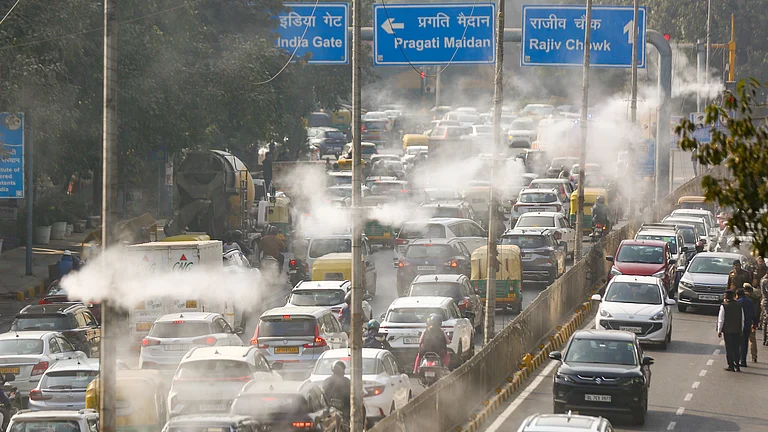
In most major Indian cities, traffic congestion has become an accepted form of suffering. Millions spend two to four hours every day commuting. Time that could be spent with family, pursuing education, exercising, resting, or being productive is instead wasted in endless traffic jams. The economic cost runs into billions of rupees annually through lost productivity and fuel consumption. The human cost is even greater. Long commutes contribute to stress, anxiety, hypertension, sleep disorders, and declining mental health.
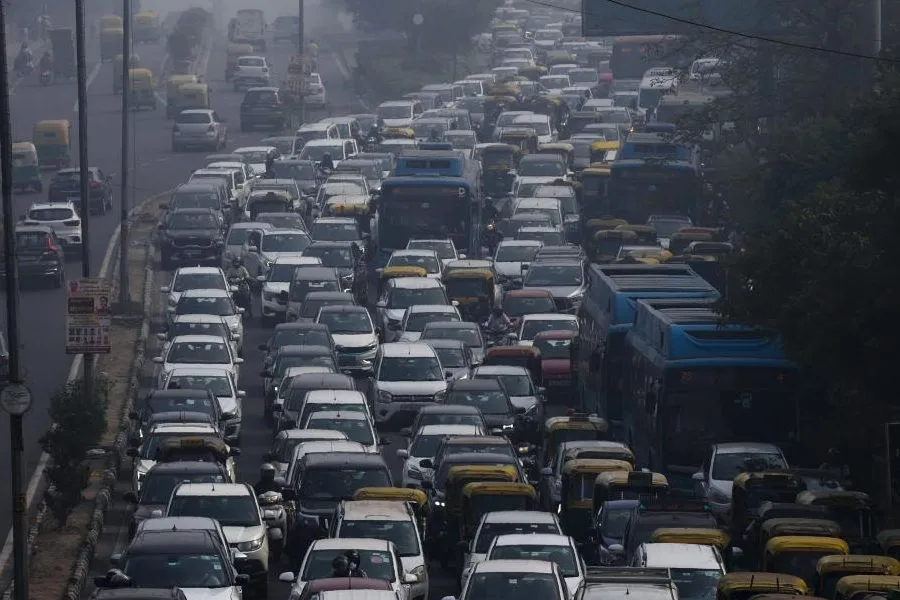
Despite repeated promises, infrastructure development often struggles to keep pace with the explosive growth in the number of vehicles. Flyovers are built only to become congested within a few years. Metro systems, while valuable, remain insufficient to meet the demands of rapidly expanding populations.
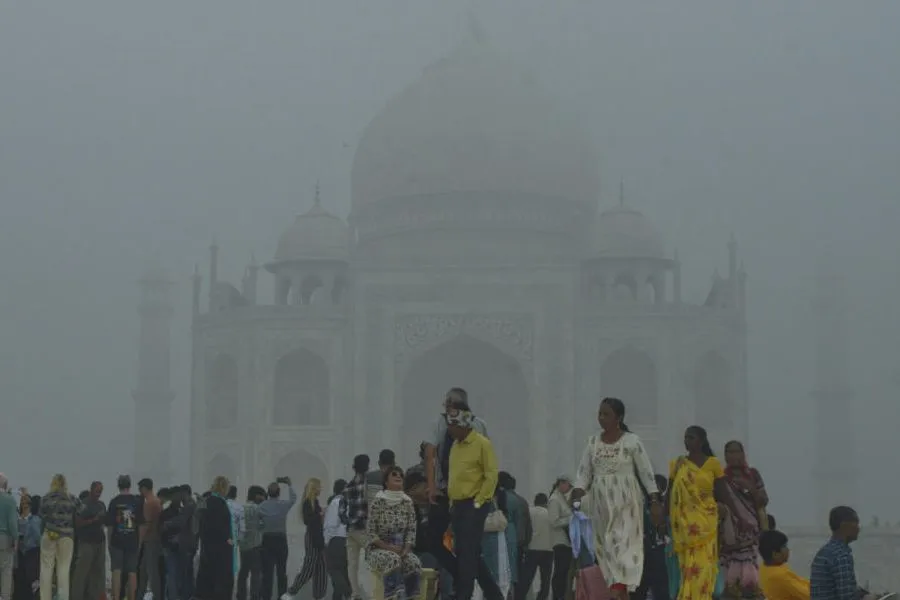
Air pollution has become one of the most serious threats facing urban India. In many cities, children grow up breathing air that would be considered unacceptable in much of the developed world. Respiratory illnesses, asthma, cardiovascular diseases and lung disorders are becoming increasingly common. What makes the situation particularly troubling is that pollution is no longer seasonal. In several urban centres, poor air quality has become a year-round problem. Citizens are effectively paying taxes to governments while simultaneously paying for air purifiers, masks, bottled water and private healthcare to protect themselves from environmental conditions that governments should be addressing. A city cannot claim to be world-class if its residents struggle to breathe safely.
Every monsoon exposes the same weakness. Roads flood. Trains stop. Vehicles get stranded. Homes and businesses suffer damage. Commuters spend hours trapped in waterlogged streets. What makes these annual disasters especially frustrating is that they are rarely natural disasters. Most are failures of planning. Cities that receive heavy rainfall every year should not be collapsing after a few hours of rain. Poor drainage systems, illegal construction, encroachment on natural water bodies, destruction of wetlands and inadequate maintenance continue to magnify the impact of monsoon showers. Citizens have become accustomed to treating civic failure as normal. It should not be normal.
One of the greatest ironies of urban India is that the people who keep cities running often cannot afford to live comfortably in them. Young professionals spend decades paying home loans. Middle-class families stretch finances to buy tiny apartments. Rent consumes a growing share of monthly income. Meanwhile, housing prices in many metropolitan regions have risen far faster than incomes. For millions of workers, the dream of home ownership is steadily moving out of reach. Many are forced into smaller living spaces, longer commutes, or lower standards of living. A city that becomes unaffordable for teachers, nurses, police personnel, office workers, small entrepreneurs and young families is creating the foundations for future social and economic instability.
India’s major cities are carrying a burden they were never designed to handle. Hospitals are overcrowded. Public transport is overcrowded. Schools are overcrowded. Roads are overcrowded. Parks and public spaces are shrinking. The pressure on urban infrastructure continues to grow while capacity expansion often lags behind. As populations rise, citizens find themselves competing for limited resources, leading to frustration, declining quality of life and increasing social tensions. Economic growth means little if it comes at the cost of basic human dignity and livability.
The urban crisis cannot be blamed solely on population growth. Governments at the municipal, state and central levels have often failed to plan decades ahead. Urban planning frequently remains reactive rather than proactive. Projects are announced close to elections. Roads are dug up repeatedly because agencies fail to coordinate. Building permissions are granted without adequate supporting infrastructure. Environmental concerns are ignored until disasters occur.
Many cities continue to function using governance structures designed for populations far smaller than they currently serve. Political leaders routinely celebrate economic growth figures, but citizens judge governance by their daily experiences. The quality of roads, air, housing, public transport, drainage, healthcare and civic services matters far more to ordinary people than political slogans. A truly successful government is not one that builds the most headlines. It is one that builds cities where citizens can live with dignity.
Take any major Indian city today and the warning signs are impossible to ignore. In Mumbai, residents routinely spend hours stuck in traffic while paying some of the world’s highest real-estate prices for increasingly smaller homes. In Bengaluru, once celebrated as India’s technology capital, traffic congestion has become so severe that daily commutes often consume several hours. Delhi continues to battle dangerous air pollution levels that pose serious health risks, while Chennai and Hyderabad frequently face the twin challenges of water shortages and urban flooding. Kolkata struggles with aging infrastructure and overcrowding in many areas. These are not isolated problems but symptoms of a larger urban crisis, where population growth has far outpaced planning and infrastructure development, forcing millions of Indians to accept declining quality of life as the price of living in the country’s economic hubs.