


Textile Sector Faces Looming Crisis Amidst Labour Exodus
The CSR Journal Magazine

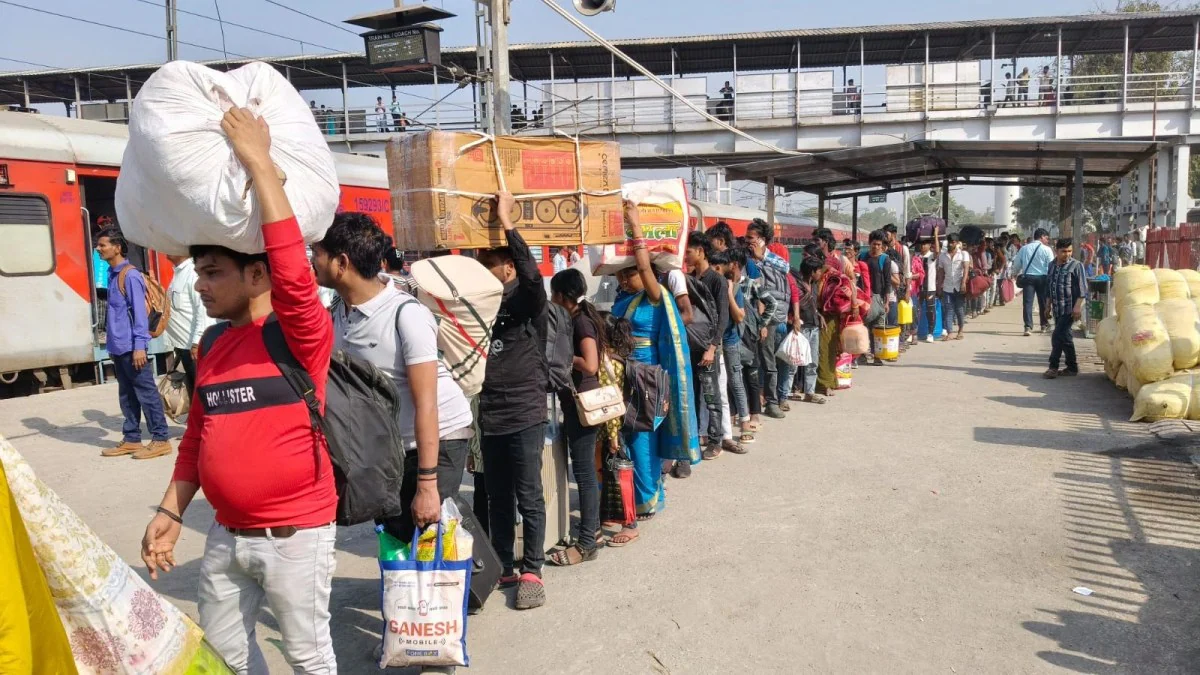
April and May typically signify challenging months for Bhiwandi, a major textile hub near Mumbai. Known for its 50,000 factories, most of them traditional power loom units, the town observes a regular trend of migrant workers returning to their home states as temperatures exceed 40 degrees Celsius. This year, however, a significant early departure has led to disruption, with reports indicating that nearly half of the workforce left as early as March. The war in West Asia has been cited as a significant catalyst for this unexpected situation, exacerbated by cooking gas shortages in worker settlements.

Surat Echoes the Crisis

The turmoil present in Bhiwandi has extended to Surat, another key textile centre. During a four-week stretch of conflict, Surat’s 25,000 textile units reportedly sustained losses amounting to nearly Rs 5,000 crore. The surge in crude oil prices influenced by the ongoing conflict has considerably impacted the production of man-made fibres (MMF), driving production costs higher and furloughing many units. Prices for polyester and nylon yarn have skyrocketed by approximately 50 per cent, while costs for dyes and chemicals have soared by 60 per cent. Heavy freight charges have also contributed to enabling a dire situation for these manufacturers.

Industry leaders emphasise that the price increases severely affect potential profits, forcing many companies to curtail production significantly amidst squeezed margins. With every day of heightened conflict adding substantial losses, leaders like Ashok Jirawala from the Federation of Gujarat Weavers Welfare Association stress the urgent need for industry adaptation.

Though a recent ceasefire has provided a semblance of relief, the textile industry in India is grappling with long-standing issues that predate this crisis. Rising costs and outdated production processes threaten the industry’s competitiveness on a global scale.

Crisis of Cotton Dependency

The crisis facing India’s textile sector is not solely linked to the ongoing geopolitical tension. A deeper underlying issue has been India’s longstanding reliance on cotton textiles for over 85 per cent of its exports. While global demands have shifted towards MMF apparel, which dominate sectors like sportswear and technical textiles, India has lagged in adapting to these changes. The domestic consumption ratio starkly contrasts with the global trend, leaving Indian textiles at a competitive disadvantage.

Industry experts, including Rahul Mehta from the Clothing Manufacturers Association of India, argue that this over-dependence restricts market diversification. As cotton productivity in India also exhibits signs of decline, the sector faces mounting pressure to evolve in response to a changing global landscape.

The government has initiated measures, such as the production-linked incentive scheme, to address these challenges, but industry voices suggest that these efforts need to be broadened to include smaller enterprises that dominate the market.

Urgent Need for Structural Reform

The crisis has unveiled deeper structural inefficiencies within the textile sector. Most factories operate with fewer machines compared to competitors in countries like Bangladesh that boast integrated facilities. Large global buyers favour suppliers capable of delivering high volumes without compromising on quality, a capability many Indian producers currently lack. Despite possessing one of the largest textile ecosystems, India has failed to harness economies of scale, posing challenges for both domestic and international market competitiveness.

Moreover, technological stagnation has widened the gap. Experts indicate that while China has implemented significant enhancements in productivity and efficiency, India’s technological advancements have been limited. This scenario raises concerns about enduring competitiveness against established global players.

Recent government initiatives, including the PM MITRA Parks scheme, aim to create more integrated ecosystems, which may offer long-term solutions. However, experts caution that policy changes must coincide with tangible investments in infrastructure, technology, and skill development for a holistic upliftment of the sector.

Sawal-Jawab

What is the current crisis facing India’s textile industry?

The crisis involves a significant early exodus of labour due to high temperatures and geopolitical issues, along with rising production costs and outdated machinery affecting competitiveness.

Long or Short, get news the way you like. No ads. No redirections. Download Newspin and Stay Alert, The CSR Journal Mobile app, for fast, crisp, clean updates!

App Store –  https://apps.apple.com/in/app/newspin/id6746449540 

Google Play Store – https://play.google.com/store/apps/details?id=com.inventifweb.newspin&pcampaignid=web_share

Latest News

Popular Videos
