


Crude Oil Prices Remain Below $200 Despite Market Fluctuations
The CSR Journal Magazine

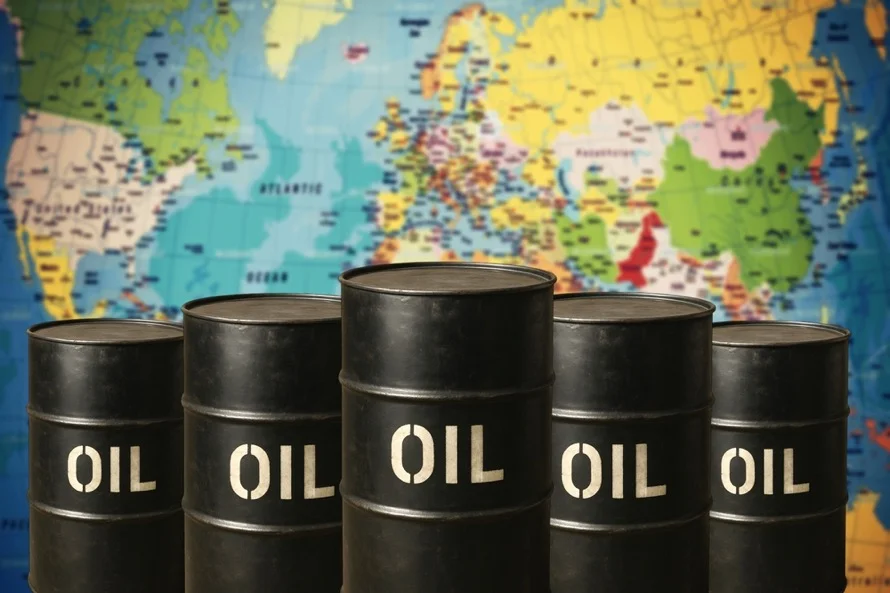
Recent trends in crude oil pricing have continued to attract attention as the market remains volatile. Despite numerous forecasts predicting potential spikes, the price of crude has not surpassed the $200 mark. This has raised questions among analysts regarding the underlying factors that play a significant role in oil pricing and market dynamics.

The Organisation of the Petroleum Exporting Countries (OPEC) has made several adjustments in oil production, aimed at stabilising prices in response to fluctuating demand. This strategy appears to have mitigated severe price increases typically associated with geopolitical tensions or supply disruptions. As a result, the average barrel price continues to hover well below the anticipated threshold.

Global economic factors also contribute significantly to oil pricing trends. The ongoing developments in major economies, including the recovery from the pandemic, trade relationships, and inflation rates, have all impacted demand for crude oil. Consequently, these events influence pricing structures and market expectations.

Geopolitical Factors and Supply Chains

Geopolitical tensions, particularly in key oil-producing regions, traditionally serve as a catalyst for price surges. However, analysts note that despite several conflicts and political unrest, the market has not reacted as strongly as in previous years. This phenomenon can be attributed to a combination of increased production from alternative sources and reserve supplies maintained by various nations.

Moreover, the resilience of alternative energy sources has added another dimension to the crude oil market. With many nations investing significantly in renewable energy, the demand for traditional fossil fuels has displayed signs of weakening. This shift in energy policy and consumption patterns is helping to curb price escalations that have historically followed supply chain disruptions.

International collaborations and agreements among oil-producing nations have also been pivotal in maintaining a stable price environment. Countries are reportedly more cautious and strategic in their production levels, hoping to strike a balance that sustains profitability while avoiding oversupply that could lead to price collapses.

Future Outlook for Crude Oil Prices

Looking forward, experts suggest that while immediate price increases to $200 seem unlikely, a variety of factors could influence future trends. Analysts are closely monitoring potential changes in global demand, particularly as economies emerge from pandemic-induced economic slowdowns. Depending on these developments, oil prices could see fluctuations that may eventually encourage a return to higher price points.

Additionally, the technological advancements in energy extraction, such as shale oil production in the United States, are fundamentally altering the landscape of global oil supply. Enhanced extraction methods may lead to an oversupply that prevents prices from dramatically rising. Such innovations need to be observed as they evolve, as they could significantly impact supply-demand balance.

The transition towards greener energy sources also warrants attention. The commitment of several nations to reduce carbon emissions and invest in renewable energies could further contribute to lower fossil fuel dependency. This long-term trend could shape the crude oil market in unpredictable ways, influencing current trends and pricing structure.

Long or Short, get news the way you like. No ads. No redirections. Download Newspin and Stay Alert, The CSR Journal Mobile app, for fast, crisp, clean updates!

App Store –  https://apps.apple.com/in/app/newspin/id6746449540 

Google Play Store – https://play.google.com/store/apps/details?id=com.inventifweb.newspin&pcampaignid=web_share

Latest News

Popular Videos
