


Delhi-NCR Identified as Central Region for Year-Round Ozone Pollution in India
The CSR Journal Magazine

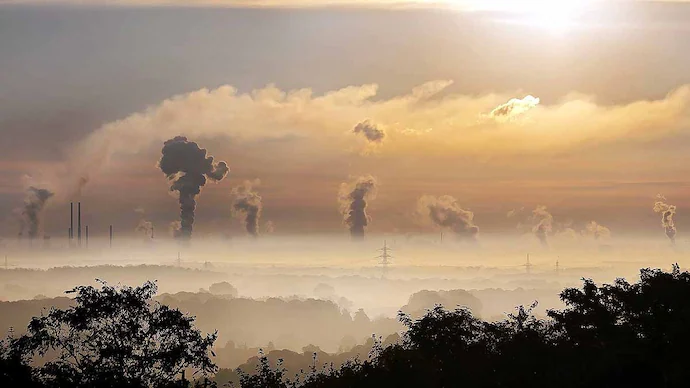
The recent analysis conducted by the Centre for Science and Environment (CSE) has concluded that ground-level ozone, an invisible but highly damaging air pollutant, poses a significant public health and environmental challenge across Indian cities throughout the year. The assessment, based on six years of data from 25 cities, indicates that ozone pollution is no longer limited to seasonal peaks or specific urban areas. Instead, it has become widespread, with extended exposure increasingly prevalent in both inland and coastal regions.

This study, examining data from the period of 2021 to 2026, has identified the Delhi-NCR region as the largest ozone hotspot in the country. This area struggles with high air quality index (AQI) readings largely due to increased levels of fine particulate matter, such as PM2.5 and PM10. The findings also highlight cities like Chandigarh, Jaipur, Ahmedabad, Mumbai, Chennai, and Bengaluru as experiencing significant levels of ozone exposure.

Researchers attribute the escalating ozone issue to rising temperatures, heightened sunlight exposure, and increasing emissions of ozone-forming substances, which are fundamentally altering the air pollution landscape in India. This shift raises concerns beyond particulate matter, as there are implications for health and climate stability.

Health Risks Associated with Ozone Exposure

The analysis presents alarming implications for public health, with specialists emphasising the severity of ground-level ozone as a prominent air pollutant. Unlike the protective ozone layer found high in the atmosphere, ground-level ozone is formed when nitrogen oxides and volatile organic compounds emitted from vehicles, industrial activities, household fuels, and waste incineration react under strong sunlight.

According to the CSE, exposure to ozone has detrimental effects on lung health, instigating airway inflammation, aggravating asthma, and increasing sensitivity to allergens such as dust and pollen. Short-term exposure can lead to respiratory distress and hospitalisations, while chronic exposure has been linked to serious health issues such as heart attacks, strokes, cardiovascular-related fatalities, and the progressive decline of chronic obstructive pulmonary disease (COPD).

Medical professionals have reported unexpected increases in asthma and respiratory conditions particularly during the summer months, although the report suggests further detailed epidemiological studies are necessary to establish specific local connections to these trends.

Prolonged Ozone Exposure and Trends in Cities

One notable highlight from the study is that ground-level ozone is now lingering for longer periods each day, thereby accumulating a greater health burden on the population. Bhopal exhibited the longest average daily exposure of ozone, with concentrations remaining above safe thresholds for approximately 17 hours. Lucknow and Mumbai followed, with daily exposure durations of more than 16 hours.

The report underscores that merely counting the number of days when standards are exceeded does not accurately reflect the true severity of health risks, as extended exposure significantly raises the toxic load faced by individuals. Another emerging concern is that ozone levels are remaining hazardous even after sunset, a shift from traditional assumptions about ozone being a daytime pollutant.

During the observed study period, Delhi-NCR recorded 46 nights where ozone levels exceeded safe limits, while additional cities like Bengaluru, Bhopal, and Patna also showed concerning patterns, suggesting that the issue needs to be addressed comprehensively across various regions.

In addition to human health, the findings indicate broader environmental repercussions. Ozone can inhibit plant growth by disrupting the photosynthesis process, thereby impacting crop productivity and raising food security concerns. The CSE notes that ambient ozone may be diminishing India’s wheat yields by approximately 14 to 15 per cent annually. There is also evidence that urban-generated ozone can drift to the Himalayan region, contributing to climate change effects such as glacial melting.

The CSE has advocated for prioritising policy reform, urging the next phase of the National Clean Air Programme to expand its focus beyond particulate matter and develop a comprehensive strategy addressing multiple pollutants. Recommendations include controlling emissions of nitrogen oxides, volatile organic compounds, and fuels from transportation, industry, and waste management to effectively tackle this growing issue.

Long or Short, get news the way you like. No ads. No redirections. Download Newspin and Stay Alert, The CSR Journal Mobile app, for fast, crisp, clean updates!

App Store –  https://apps.apple.com/in/app/newspin/id6746449540 

Google Play Store – https://play.google.com/store/apps/details?id=com.inventifweb.newspin&pcampaignid=web_share

Latest News

Popular Videos
