


Meaningful and Eco-Friendly Ways to Dispose of Old Rakhis
The CSR Journal Magazine

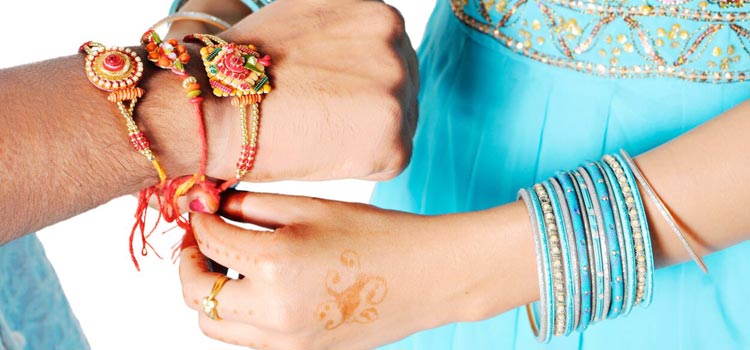
The significance of a rakhi extends beyond being merely a decorative item in many Hindu families, symbolising the cherished bond between siblings. Raksha Bandhan is a festival that celebrates this connection through the tying of rakhis, which are seen as tokens of love and blessings. As such, the treatment of old rakhis holds an intrinsic value across various households, leading to considerations of how to dispose of them after the festival.

Respected Disposal Methods for Old Rakhis

Once Raksha Bandhan has concluded, individuals are often left pondering the appropriate course of action regarding their old rakhis. Various traditional customs exist, with practices differing among families and regions. Many households choose to store the rakhi in a clean and honourable location prior to its eventual disposal. This may be followed by keeping the rakhi on the wrist for a few days after the celebration, allowing an opportunity for a period of reflection before its removal.

In some traditions, after being taken off, the rakhi is placed respectfully with other puja items for later disposal. Additionally, when rakhis are made from biodegradable materials, families may opt to immerse them in water sources, although this practice must adhere to local environmental regulations.

For rakhis that include non-biodegradable components, such as plastic, metal, or beads, careful disposal is required. Experts advise against immersing such items in natural water bodies, as this could contribute to environmental harm.

Dealing with Rakhis Featuring Religious Symbols

The presence of religious symbols or images on rakhis adds another layer of significance in the disposal conversation. Families that assign religious importance to these elements tend to keep such rakhis separated, opting for more respectful means of disposal that honour their spiritual significance. Traditions surrounding this practice may vary considerably among different cultural and familial contexts.

Overall, there are no rigid guidelines governing the disposal of old rakhis that apply universally across Hindu society. While some individuals may prefer to retain them or conduct specific rituals for disposal, others might choose a more straightforward approach. Regardless of the method chosen, a common thread remains: the importance of treating such items with reverence and consideration for the environment.

Ultimately, the course taken with old rakhis reflects individual family traditions and the value placed on these objects. As environmental awareness grows, many families are increasingly mindful about the ramifications of their disposal methods, making choices that balance respect for cultural practices with ecological responsibility.

Long or Short, get news the way you like. No ads. No redirections. Download Newspin and Stay Alert, The CSR Journal Mobile app, for fast, crisp, clean updates!

App Store –  https://apps.apple.com/in/app/newspin/id6746449540 

Google Play Store – https://play.google.com/store/apps/details?id=com.inventifweb.newspin&pcampaignid=web_share

Latest News

Popular Videos
