


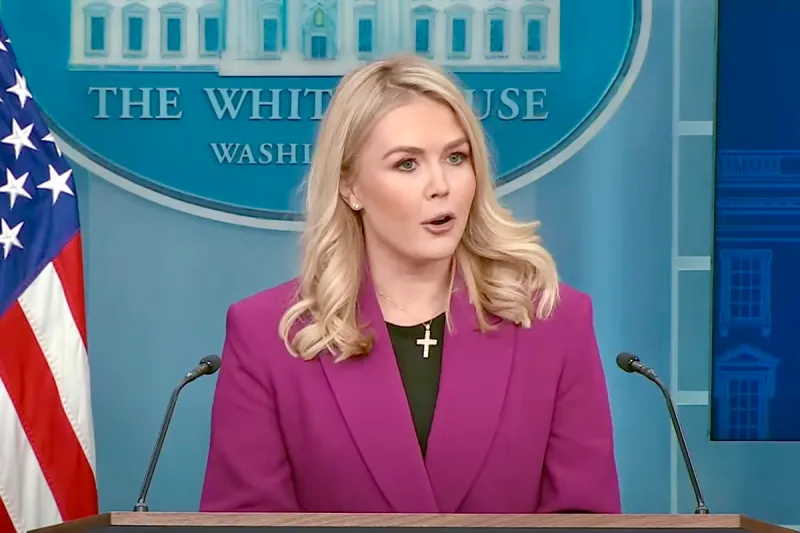

The White House Press Secretary, Karoline Leavitt, has stated that reports claiming the United States formally requested an extension of the current ceasefire are inaccurate. During a press briefing on April 16, Leavitt emphasised that high-level diplomatic discussions with Iran remain active and productive. She clarified that there has been no official request to prolong the fragile ceasefire and reiterated that negotiations are ongoing between both parties.
“There was bad reporting this morning concerning a formal request to extend the ceasefire,” Leavitt noted. “As of now, that is not the case.” Her remarks underlined the US’s commitment to continuous diplomatic engagement with Iranian officials.
Leavitt also indicated a cautiously optimistic outlook regarding the talks, stating, “We feel good about the prospects of a deal.” She mentioned that American President Joe Biden had communicated the US negotiating stance to Iran, emphasising the importance of meeting specific demands set forth during discussions.
Recent Diplomatic Developments in Tehran
The clarification from the White House comes amidst an increase in diplomatic activities involving various regional and international stakeholders aimed at stabilising the situation following weeks of conflict. On the same day as the briefing, Pakistan’s Army Chief, General Asim Munir, arrived in Tehran for a visit that may be pivotal in renewing peace negotiations between the US and Iran after the “Islamabad Talks” concluded without a resolution.
General Munir, accompanied by Pakistan’s Interior Minister Mohsin Naqvi, was welcomed by Iranian Foreign Minister Abbas Araghchi. Reports suggest that the delegation brings a new message from the US designed to lay a foundation for a subsequent round of high-level talks.
US President Biden has indicated that while he does not foresee the need to extend the current two-week ceasefire, he maintains a preference for a negotiated solution. Commenting to ABC News, he expressed confidence in the ongoing process and remarked, “I think you’re going to be watching an amazing two days ahead.” His comments suggest an expectation of soon reaching significant progress.
Potential for Future Negotiations
The urgency of reaching an agreement has been accentuated by President Biden’s comments about the possibility of additional negotiations occurring within the next 48 hours. Initial plans indicated a European location for these talks; however, he later signalled a preference for Islamabad as a more viable venue for the next round of direct negotiations aimed at concluding the seven-week conflict.
CNN reported that Washington is currently evaluating this potential second round, with US Vice President JD Vance likely to lead the American delegation again. The proposed meeting in Islamabad is also expected to involve key figures such as Biden’s special envoy Steve Witkoff and senior advisor Jared Kushner, who have both played instrumental roles in pursuing a diplomatic resolution.
While discussions continue between Vance, Witkoff, and Kushner and Iranian officials following their previous extended talks, the specifics regarding the date and agenda of the next meeting remain under review. A US official confirmed that while future discussions are on the table, no formal schedule has been established thus far.