


US Maintains Military Option Against Iran as Diplomatic Efforts Falter
The CSR Journal Magazine

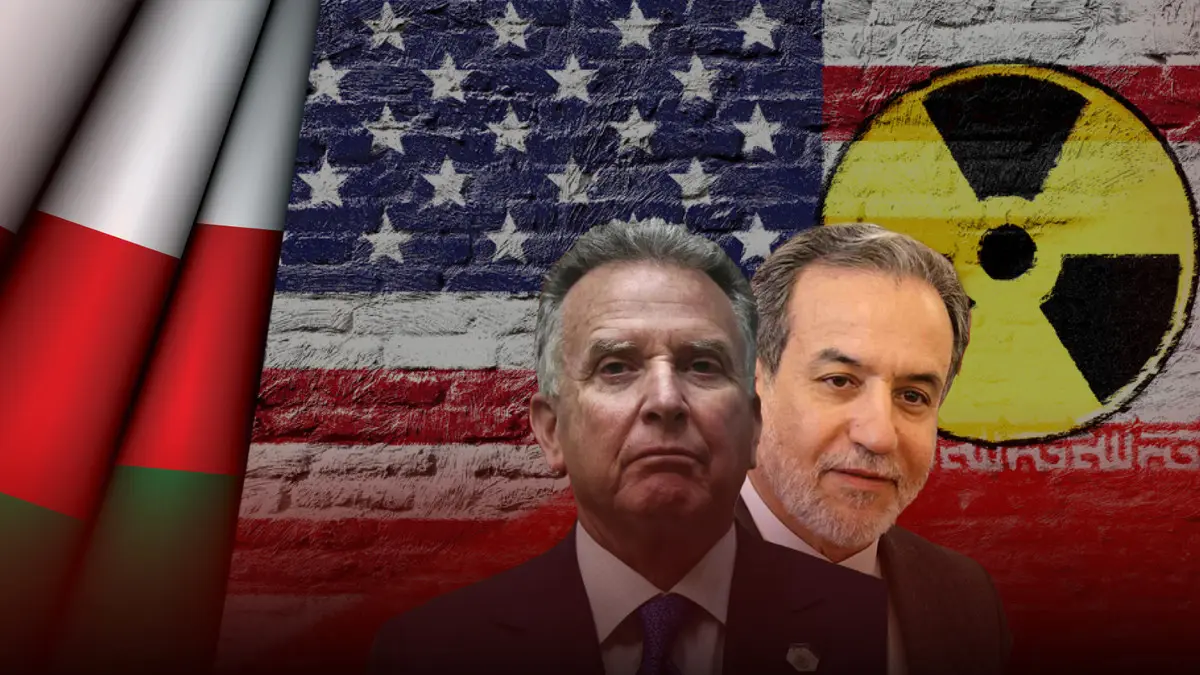
The United States has kept the option of renewed military action against Iran open, as Defence Secretary Pete Hegseth emphasised on Saturday that Washington remains prepared to execute strikes if current negotiations do not yield results. This statement underscores the challenges faced by the US in facilitating a diplomatic resolution while pressures on Tehran continue. Hegseth made his remarks during the Shangri-La Dialogue held in Singapore.

He reiterated that the US possesses the necessary military capabilities to take action if the diplomatic path fails, while still pursuing a peaceful solution. Hegseth noted that US military stockpiles are ample enough to manage operations in both the region and globally, reflecting a dual strategy of deterrence and diplomacy.

The urgency of these statements comes as negotiators from Washington and Tehran strive to bridge significant gaps over a potential agreement. This agreement aims to extend a ceasefire established in early April by an additional 60 days, leading towards a more permanent resolution.

Challenges in Achieving Peace Agreement

As negotiations unfold, US President Donald Trump indicated on Friday that he would issue a “final determination” regarding the proposal during a secure meeting at the White House. Hegseth observed that the President remains committed to securing what he termed a “great deal” to prevent Iran from obtaining nuclear weapons.

Despite efforts to find common ground, conflicting narratives have emerged from both nations concerning the terms of the proposed agreement. Trump’s comments suggested that a deal was imminent, claiming Iran would need to reopen the Strait of Hormuz without imposing fees. However, Iranian media linked to the Islamic Revolutionary Guard Corps (IRGC) dismissed these assertions, alleging misrepresentation of the discussions at hand.

According to Iran’s Fars News Agency, senior officials accused Trump of attempting to portray a “fabricated victory” in negotiations, indicating that a draft agreement referred to as “commitment for commitment” is nearing completion but has not yet received final approval in Tehran.

Regional Tensions and Broader Concerns

The diplomatic efforts come in the wake of a severe conflict initiated by the US and Israel on February 28, which has led to significant loss of life, predominantly in Iran and Lebanon, and has further strained global energy markets. Iran’s actions in effectively closing the Strait of Hormuz have disrupted approximately one-fifth of the world’s oil supply.

Reports indicate that Iran has not consented to reopen the strategic waterway without specific conditions. Proposed terms may require ship inspections and the establishment of monitoring mechanisms to ensure maritime security, asserting Iran’s supervisory role over the process.

Moreover, Iranian authorities have denied Trump’s claims about dismantling nuclear materials, asserting that such provisions do not exist within the current draft. A crucial aspect of the ongoing negotiations is Iran’s demand for immediate access to $12 billion in frozen assets, which it views as essential before progressing to subsequent phases of the agreement.

Additionally, the status of a comprehensive ceasefire in Lebanon remains a contentious issue, closely associated with Hezbollah’s positioning. As these discussions continue, both sides appear to be grappling with complex political and security challenges that have significant implications for regional stability.

Long or Short, get news the way you like. No ads. No redirections. Download Newspin and Stay Alert, The CSR Journal Mobile app, for fast, crisp, clean updates!

App Store –  https://apps.apple.com/in/app/newspin/id6746449540 

Google Play Store – https://play.google.com/store/apps/details?id=com.inventifweb.newspin&pcampaignid=web_share

Latest News

Popular Videos
