


US Escalates Military Strikes on Iran Amid Regional Tensions
The CSR Journal Magazine

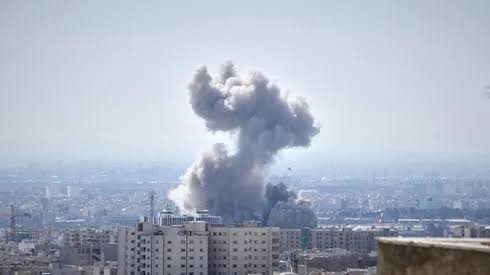
The United States escalated its military campaign against Iran, targeting locations in and around Tehran. This shift in strategy indicates a potential widening of the conflict that has already heightened tensions across the Middle East. Iranian sources reported significant casualties and injuries from the strikes, with claims of over 35 fatalities and more than 300 individuals wounded.

This round of attacks marks the first time US military operations have reached regions close to the Iranian capital during the current escalation. Increased military activity from both sides has raised concerns about broader implications for regional stability.

The conflict initially began on February 28 and has since led to critical disruptions in shipping routes, particularly in the Strait of Hormuz, a vital channel for global energy supplies. In response to the US-Israeli actions, Iran has effectively shut down this strategic waterway, leading to rising prices for oil and essential goods.

Iran’s Response and Regional Implications

In retaliation, Iran launched missile and drone attacks early Thursday morning, targeting Bahrain, Jordan, and Kuwait, all of which host US military personnel. While local authorities in these nations confirmed the attacks, there were no immediate reports of casualties or damage. The heightened military exchanges have exacerbated existing tensions and raised fears of a potential escalation into a wider conflict.

Iran’s parliament speaker, Mohammad Bagher Ghalibaf, indicated readiness for broader military conflict if the United States failed to adhere to ongoing agreements. This statement comes amid threats from the Iranian Revolutionary Guard to halt energy exports from the Middle East if the US blockade continued.

US President Donald Trump, in a briefing, stated that Iran may still be interested in reaching a settlement, while suggesting they are unhappy with US actions. While this dialogue exists, the situation remains tense, evidenced by the US military’s recent engagement patterns, including attacking strategic locations in the Strait of Hormuz.

Current Status of the Strait of Hormuz and Market Reactions

The ongoing conflict has sustained its focus on the Strait of Hormuz, with the US military asserting control of alternative shipping routes to alleviate the impacts of the blockade instituted by Iran. Recent engagements included US attacks on Iranian defence sites and a notable assault on an oil tanker travelling towards Kharg Island, Iran’s primary oil export terminal.

The military actions have resulted in economic repercussions, with Brent crude prices surging above $85 per barrel, reflecting a 15 per cent increase since the onset of hostilities, though still below the peak seen earlier in the conflict. These developments signal a complex interplay between military action and the global energy market.

As the situation evolves, both the United States and Iran are actively manoeuvring to assert their positions. The interim deal aimed at managing the conflict has come under strain, with each side’s latest offensives complicating the potential for peaceful resolutions.

Long or Short, get news the way you like. No ads. No redirections. Download Newspin and Stay Alert, The CSR Journal Mobile app, for fast, crisp, clean updates!

App Store –  https://apps.apple.com/in/app/newspin/id6746449540 

Google Play Store – https://play.google.com/store/apps/details?id=com.inventifweb.newspin&pcampaignid=web_share

Latest News

Popular Videos
