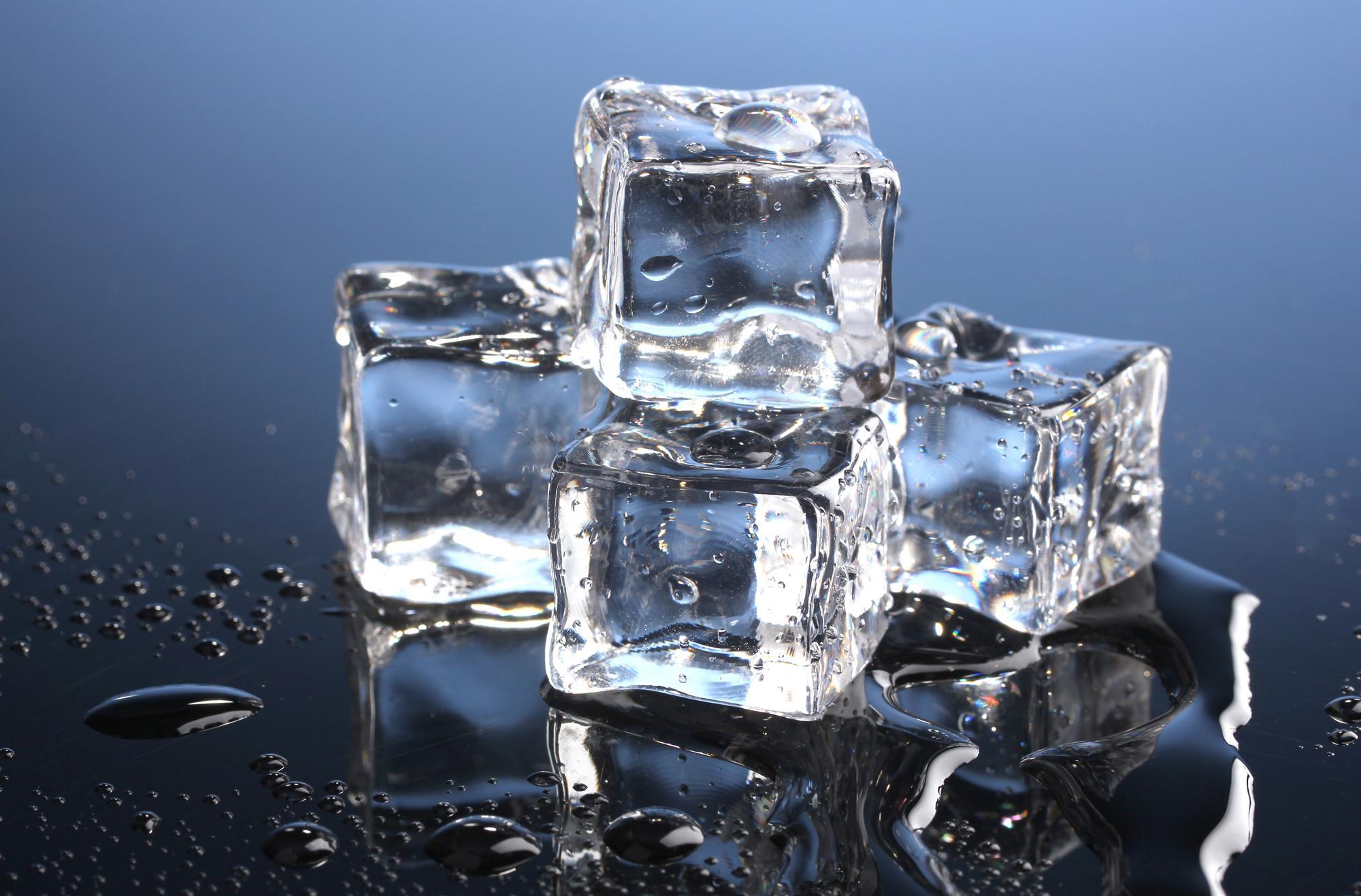
The use of sharp tools such as knives or screwdrivers for removing ice from freezers can lead to significant damage. Experts caution that these implements can puncture the inner walls of the freezer, compromising its integrity and functionality. Such damage not only necessitates costly repairs but may also result in the need for a complete replacement of the appliance.
Additionally, using boiling water poses another set of risks. The sudden transition from freezing to high temperatures can exert stress on plastic components, leading to warping or cracking. Therefore, it is advisable to avoid these quick-fix methods that can jeopardise the appliance’s longevity.
In light of these hazards, finding a less damaging alternative becomes essential for maintaining the freezer’s performance while ensuring ease of ice removal.
Effective Techniques for Ice Removal
To safely defrost a freezer, the first step is to unplug the appliance or turn it off completely. Leaving the freezer door open allows the ice to begin melting naturally, a process that can be accelerated by placing towels around the base to absorb any water that may accumulate as the ice thaws. This method protects the appliance and eliminates the need for harsh tools.
For further efficiency, users can place a bowl or pan of hot water (not boiling) inside the freezer. Closing the door for a short period allows the steam to circulate, loosening the ice and making it easier to remove with a plastic spatula or by hand once softened. This approach minimises the risk of damaging the freezer while ensuring effective ice removal.
Once the removal is complete, it is important to dry the freezer thoroughly before turning it back on. Allowing the appliance to reach its optimal temperature before returning any frozen food is equally crucial for maintaining food safety and quality.
Preventing Ice Accumulation in Freezers
To mitigate the occurrence of ice build-up in freezers, users should be aware of several preventative measures. One primary cause of frost is the introduction of warm air when the freezer door is left open for extended periods. Therefore, it is essential to minimise the frequency and duration of door openings.
Regularly checking the condition of the door seal can also prevent air leaks, ensuring that the door closes tightly. Furthermore, it is advisable to allow hot food to cool to room temperature before placing it in the freezer. This simple step reduces the likelihood of moisture entering the appliance.
If the freezer is not frost-free, users should consider scheduling regular defrosting. Overloading the freezer can impede airflow, leading to uneven temperatures and increased frost formation. By implementing these precautions, individuals can enhance their freezers’ efficiency and prolong their operational lifespan.
Long or Short, get news the way you like. No ads. No redirections. Download Newspin and Stay Alert, The CSR Journal Mobile app, for fast, crisp, clean updates!