


Bangladesh Inaugurates July Uprising Museum at Sheikh Hasina’s Former Residence
The CSR Journal Magazine

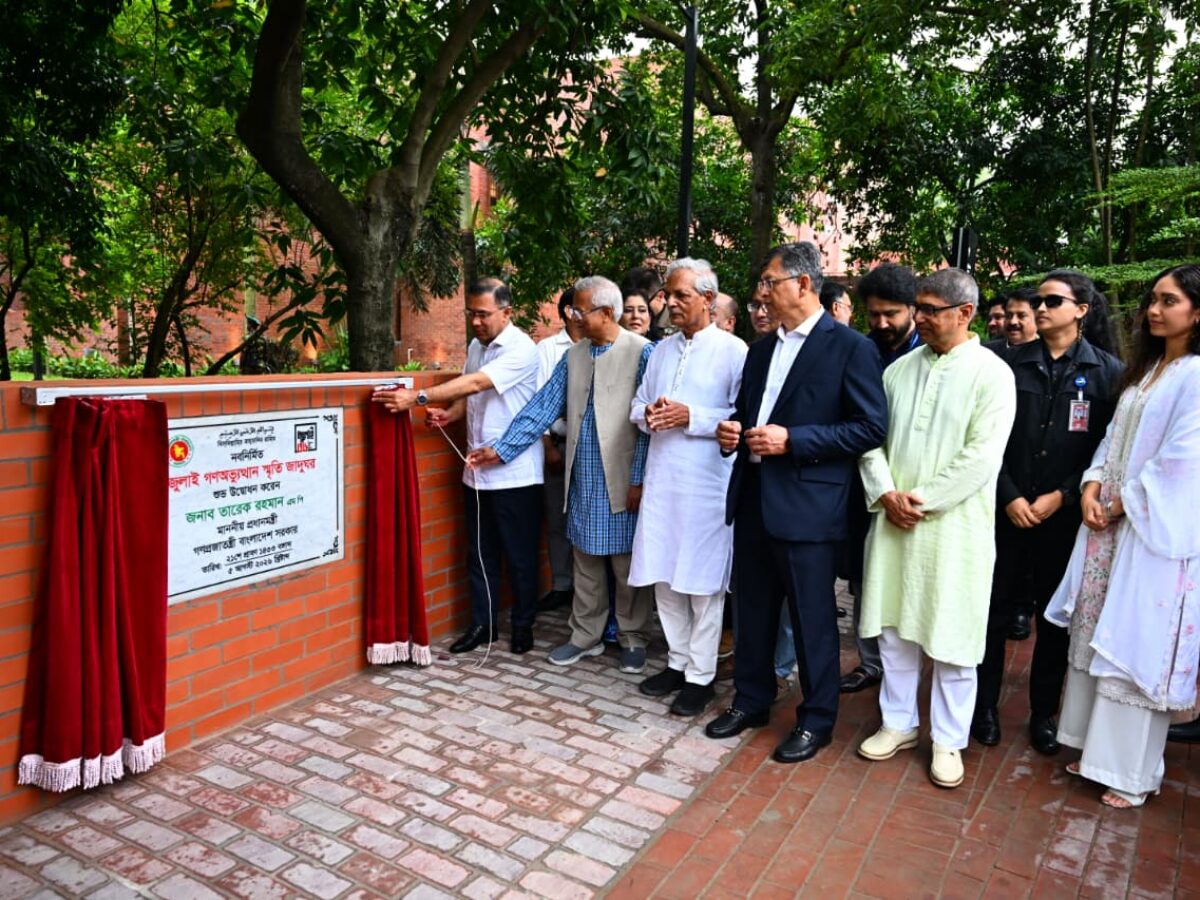
On August 5, 2026, Bangladesh officially opened a memorial museum dedicated to the July Mass Uprising at Ganabhaban, the former official residence of Sheikh Hasina, who was ousted from her position as Prime Minister. This inauguration serves to honour the individuals who lost their lives during the violent student-led protests that occurred between July and August 2024. Prime Minister Tarique Rahman presided over the ceremony, marking a significant moment in the nation’s contemporary history.

Purpose and Significance of the Museum

The July Mass Uprising Memorial Museum aims to document the events and circumstances surrounding the protests of 2024, which arose from public dissent against a controversial job quota system implemented by Hasina’s administration. The museum is dedicated to preserving the memories of those who died as a result of the crackdown following the protests, reinforcing the importance of acknowledgement in the nation’s collective memory.

According to reports from the United Nations human rights office in February 2025, up to 1,400 individuals were allegedly killed during the month-long unrest, prompting international attention to the state’s actions against demonstrators. Hasina fled to India on August 5, 2024, amid escalating protests, leading to a temporary government led by Muhammad Yunus stepping into power three days later.

The museum features a variety of exhibits, including artefacts, photographs, official documents, and video footage that capture the essence of the uprising. This collection aims to provide visitors with a comprehensive understanding of the events that transpired during this tumultuous period in the nation’s history.

Exhibitions and Documentation

The inaugural event included a tour of the museum’s galleries and exhibitions, which showcase materials that chronicle the protests and highlight the participation of a diverse range of citizens. The museum functions not only as a repository of historical artefacts but also as a tribute to the resilience of those who stood against what they perceived as government oppression.

A documentary detailing the progression of the protests, featuring personal stories and the overarching narrative of the movement, was screened for attendees. This multimedia presentation adds an emotional dimension to the factual recounting of events and seeks to illustrate the sacrifices made by those involved in the uprising.

The initiative to establish the museum was reportedly initiated during Yunus’s interim government, indicating a recognisable shift in public policy towards recognising and preserving historical events critical to the nation’s identity.

A Historic Site Preserved

The inauguration of the July Mass Uprising Memorial Museum also represents Bangladesh’s commitment to documenting significant historical events at the very site where they unfolded. Ganabhaban, formerly the residence of Sheikh Hasina, now stands as a poignant reminder of the struggle for rights and justice.

As Bangladesh moves forward, the museum serves more than just an educational purpose; it aims to foster dialogue about governance, accountability, and the rights of citizens. The hope is that future generations will reflect upon the sacrifices and lessons learned during this pivotal time.

The museum will remain open to the public, allowing visitors to engage with the rich history that shaped contemporary Bangladesh, ensuring that the memories of those lost during the July Uprising are not forgotten.

Long or Short, get news the way you like. No ads. No redirections. Download Newspin and Stay Alert, The CSR Journal Mobile app, for fast, crisp, clean updates!

App Store –  https://apps.apple.com/in/app/newspin/id6746449540 

Google Play Store – https://play.google.com/store/apps/details?id=com.inventifweb.newspin&pcampaignid=web_share

Latest News

Popular Videos
