


E20 Petrol Is Safe For Pre-2017 Vehicles Says Nitin Gadkari
The CSR Journal Magazine

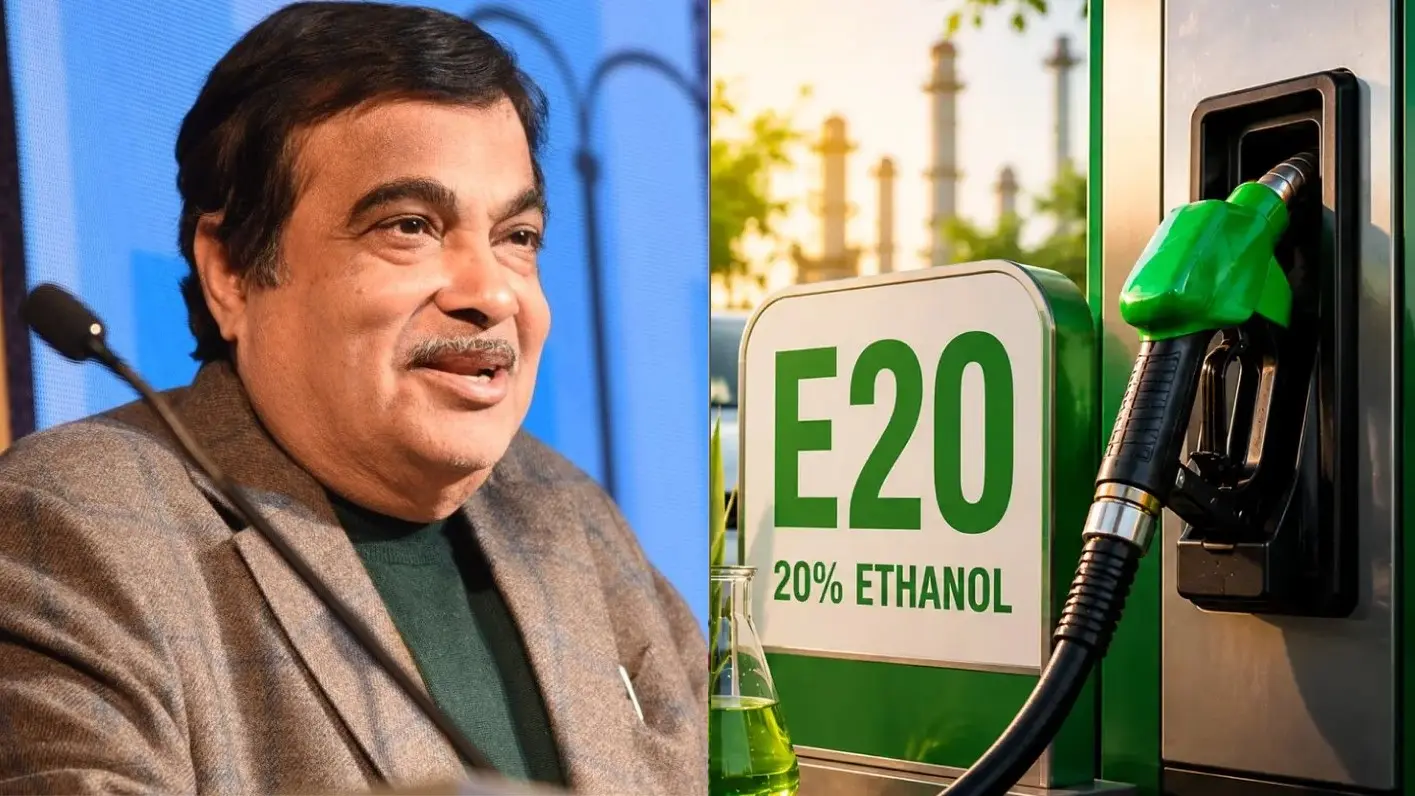
Union Road Transport and Highways Minister Nitin Gadkari has stated that E20 petrol is safe for vehicles manufactured before 2017, following requests for clarity in Parliament regarding its impact on older models. He noted that the petrol does not result in abnormal wear or major performance issues, despite acknowledging a potential reduction in fuel efficiency ranging from two to six per cent.

Gadkari provided this information in response to DMK MP Constandine Ravindran, who questioned the implications of E20’s nationwide availability for older vehicles, specifically Bharat Stage III models that were registered prior to April 1, 2017. The minister assured that the government had not received any significant complaints regarding E20 petrol from vehicle manufacturers or consumer organisations, in relation to engine failures or other operational problems.

No Abnormal Wear Evidence Reported

During his remarks, Gadkari referenced various laboratory studies and field trials which reportedly indicate that older or “legacy” vehicles have not experienced abnormal wear and tear when using E20 petrol. These studies, conducted by several reputable organisations including the Automotive Research Association of India and the Society of Indian Automobile Manufacturers, assessed key aspects such as engine durability, startability, and emissions.

Gadkari mentioned that these findings confirmed the safety of E20 petrol when used according to specified guidelines. However, he reiterated that the studies observed a potential decrease in fuel efficiency. Additionally, he pointed out that multiple factors affect mileage, including driving habits, maintenance routines, and general vehicle care.

Government Advocates for Ethanol Blending

In supporting the increased blending of ethanol in petrol, Gadkari stated that E20 offers advantages such as improved acceleration and lower carbon emissions compared to E10 fuel. He highlighted that a higher ethanol content facilitates cleaner combustion, producing minimal particulate emissions and contributing to enhanced air quality in urban areas.

The Indian government has been actively promoting ethanol blending in petrol as part of its strategy to diminish reliance on crude oil imports and mitigate transport-related emissions. Recently, the Centre reported to the Rajya Sabha that it had achieved a target of 20 per cent ethanol blending ahead of schedule, five years early. This programme has purportedly saved over Rs 1.97 trillion in foreign exchange, along with displacing nearly 316 lakh tonnes of crude oil and preventing approximately 952 lakh tonnes of carbon dioxide emissions.

Gadkari’s statements reflect a broader initiative by the Indian government to enhance fuel sustainability while managing environmental concerns. His assertions about E20 petrol may influence consumer perceptions regarding its use in older vehicles, as well as the ongoing efforts to transition towards more eco-friendly fuel alternatives.

Long or Short, get news the way you like. No ads. No redirections. Download Newspin and Stay Alert, The CSR Journal Mobile app, for fast, crisp, clean updates!

App Store –  https://apps.apple.com/in/app/newspin/id6746449540 

Google Play Store – https://play.google.com/store/apps/details?id=com.inventifweb.newspin&pcampaignid=web_share

Latest News

Popular Videos
