


Supreme Court Reviews Political Developments in Shiv Sena Dispute
The CSR Journal Magazine

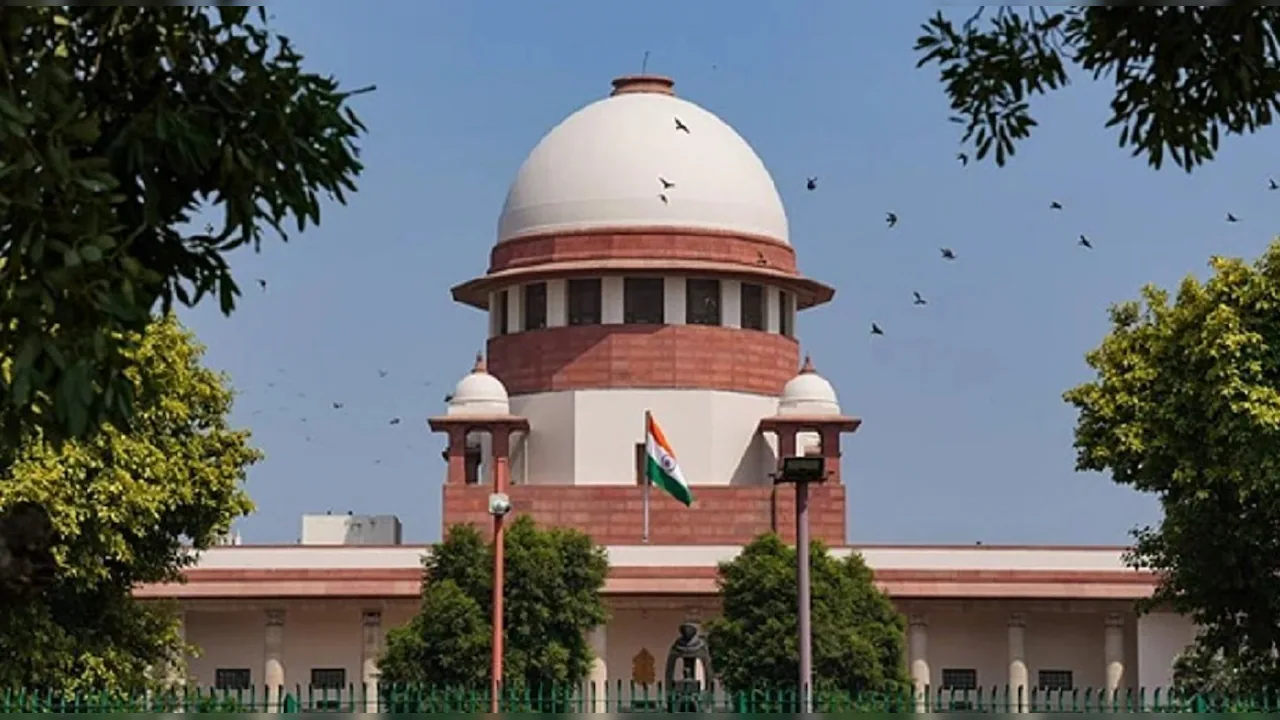
The Supreme Court of India has convened to investigate whether the Election Commission of India (ECI) can consider subsequent political developments while resolving disputes regarding a political party’s election symbol, specifically under Paragraph 15 of the Election Symbols (Reservation and Allotment) Order, 1968. This provision empowers the ECI to adjudicate disputes when rival factions of a recognised political party contend for the party’s name and symbol, with the Commission’s decision being binding on all parties involved.

A bench comprising Chief Justice Surya Kant and Justices Joymalya Bagchi and V Mohana is addressing the challenge posed by the Uddhav Thackeray faction against the ECI’s validation of the Eknath Shinde-led faction as the legitimate Shiv Sena. The dispute centres on the allocation of the party’s name and its recognised symbol, the “bow and arrow.”

Legal Arguments Regarding Factual Positions

Sibal contended that a prima facie split within the political party must be evident for the ECI to assume its jurisdiction over the dispute. However, he acknowledged that later developments could also be factored in, stating that the Shinde faction’s bolstered organisational strength should not retroactively establish a split, particularly noting that party members gravitated towards Shinde following his appointment as Chief Minister.

The bench remarked on the concept of a “living democracy,” signifying that the political landscape in India is dynamic and continuously evolving. The ongoing dialogue aims to unravel the complexities surrounding factional disputes in political parties and how these disputes should be evaluated in the context of democratic principles.

Background of the Shiv Sena Split

The Shiv Sena party experienced a significant split in 2022, dividing into two principal factions. One faction is led by Uddhav Thackeray, while the other is under the leadership of Eknath Shinde. Following this division, Shinde approached the Election Commission of India to seek recognition for his faction as the genuine Shiv Sena and to claim both the party’s name as well as its symbolic representation.

In its deliberations, the ECI predominantly took into account the numerical strength of the party’s legislators when rendering its decision. Critics suggest that this approach prioritises legislative strength over the organisational aspects of the party, raising questions about the appropriate methods for resolving such disputes within political organisations.

The Supreme Court has scheduled further hearings to continue reviewing the case, indicating that the judicial assessment of the dispute could have significant implications for how internal conflicts within political parties are managed in the future. The evolving nature of this case reflects the broader complexities involved in the governance and functioning of democratic institutions in India.

Long or Short, get news the way you like. No ads. No redirections. Download Newspin and Stay Alert, The CSR Journal Mobile app, for fast, crisp, clean updates!

App Store –  https://apps.apple.com/in/app/newspin/id6746449540 

Google Play Store – https://play.google.com/store/apps/details?id=com.inventifweb.newspin&pcampaignid=web_share

Latest News

Popular Videos
