


Pakistan’s Interior Minister Mohsin Naqvi Visits Tehran, High-Level Meetings Focus on Bilateral Relations Amid Regional Tensions
The CSR Journal Magazine

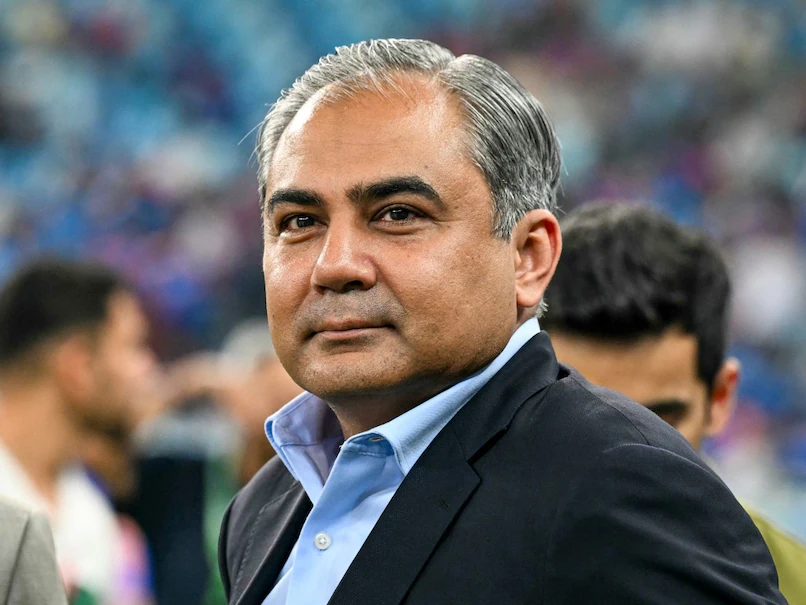
Pakistan’s Interior Minister Mohsin Naqvi visited Tehran to hold discussions with Iranian President Masoud Pezeshkian and Foreign Minister Abbas Araghchi on 12 August 2026. The primary agenda involved strengthening bilateral relations and addressing mutual concerns, particularly in light of stalled peace negotiations between the US and Iran.

This diplomatic engagement follows the collapse of an interim agreement signed in June, where Pakistan acted as a guarantor. The agreement faltered amid rising tensions in West Asia, coinciding with resumed military strikes by both the US and Iran. Islamabad is striving to reinvigorate its mediation in efforts to quell the ongoing conflict.

Naqvi’s arrival in Tehran was marked by a reception from his Iranian counterpart, Eskandar Momeni, prior to his discussions with Araghchi. Iran’s official news agency, IRNA, highlighted the significance of these meetings, indicating potential for expansive bilateral talks throughout the visit.

Strengthening Historical Ties Between Iran and Pakistan

During his conversation with President Pezeshkian, Naqvi emphasised the enduring nature of relations between Iran and Pakistan, describing them as “strong, long-standing and unbreakable.” He expressed Islamabad’s commitment to fostering comprehensive development in their partnership.

Pezeshkian acknowledged that the collaboration between the two nations would mutually benefit their national interests while enhancing stability and security in the region. This exchange signifies a determination to maintain open lines of communication as tensions persist.

There are reports suggesting Naqvi may meet President Pezeshkian once again, underscoring the importance of these discussions in the context of ongoing regional dynamics. This visit has been perceived as an important step for Pakistan in facilitating dialogue and potentially reviving stalled agreements.

Reviving the US-Iran Peace Negotiations

A key objective of Naqvi’s visit is to advance discussions surrounding the Memorandum of Understanding (MoU) signed in June, aimed at establishing a 60-day window for high-level dialogue towards restoring peace between the US and Iran. However, efforts thus far have not yielded tangible results.

This lack of progress can be attributed, in part, to Oman taking the lead as a mediator on critical issues, notably the management of the Strait of Hormuz. Iran has indicated that it is moving closer to a separate agreement with Oman, which is vital for global energy supplies.

Diplomatic sources suggest that Oman-Iran dialogues have presented an opportunity for Pakistan to renew its efforts in reviving the broader negotiation process stemming from the June MoU. Recently, Pakistan extended invitations to Iranian leaders, including Araghchi and Parliament Speaker Bagher Ghalibaf, to visit Islamabad, although the timing of such visits remains uncertain.

The Strait of Hormuz has been notably affected by the stalled negotiations, which had seen temporary alleviation following the June agreement. Iran is reportedly working with Oman to establish new arrangements for safe passage through the strait, although these would not signify a full reopening unless US concerns regarding the MoU are adequately addressed.

Long or Short, get news the way you like. No ads. No redirections. Download Newspin and Stay Alert, The CSR Journal Mobile app, for fast, crisp, clean updates!

App Store –  https://apps.apple.com/in/app/newspin/id6746449540 

Google Play Store – https://play.google.com/store/apps/details?id=com.inventifweb.newspin&pcampaignid=web_share

Latest News

Popular Videos
