


How Elephant Dung is Helping Scientists Measure Poaching’s Deadly Impact on African Forest Elephants

The CSR Journal Magazine

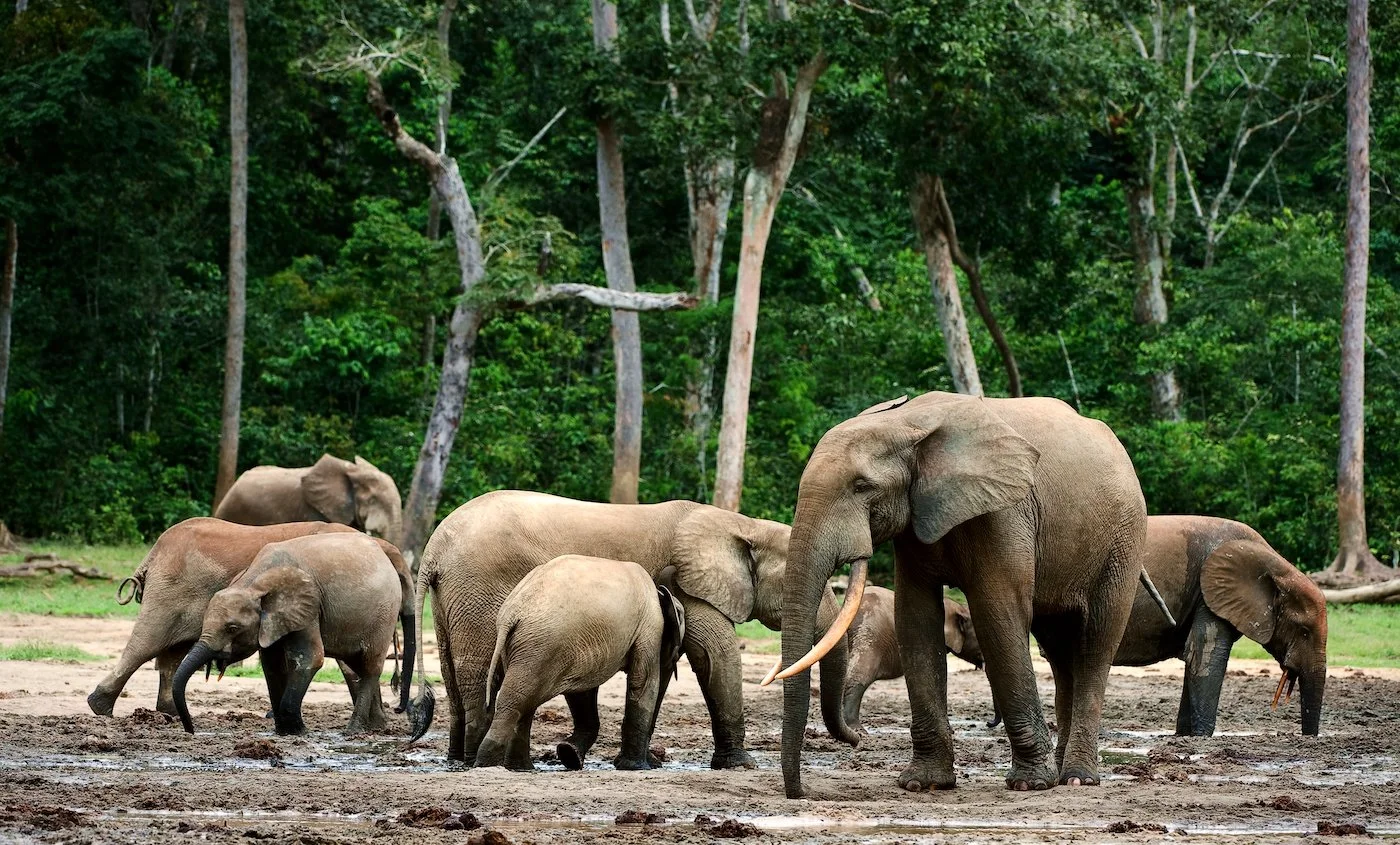
The population of African forest elephants is experiencing a rapid decline, with approximately 1,35,000 individuals estimated to remain in the wild, as reported by the World Wildlife Fund. The most severe losses have been noted in the Central and West African forests, primarily due to large-scale poaching which has devastated these populations. This situation has raised alarm among conservationists and prompted urgent action to protect these animals.

Innovative Research Using Elephant Dung

In the Dzanga-Sangha Protected Areas located in the Central African Republic, researchers are employing a novel approach to gather data on the elephant population by collecting dung samples and extracting genetic material from them. This method allows scientists to identify individual elephants without the need for direct observation or capture, thereby minimising stress on the animals.

The genetic data obtained from dung can indicate whether samples originate from the same elephant or different individuals. By analysing samples from various locations within the forest, researchers can develop a comprehensive understanding of the population’s status. This genetic information, combined with field observations, provides insights into the number, distribution, and movement of elephants.

Furthermore, repeated sampling over time enables scientists to track changes in the elephants’ range and identify trends in population dynamics, such as whether individual elephants have shifted habitats or if new members have entered the population.

Conservation Challenges and Strategies

Despite a decline in ivory poaching from its peak, the threat remains significant. Reports suggest that roughly two-thirds of Central and West Africa’s forest elephants were killed during extensive poaching activities in the early 21st century. In addition to poaching, elephants face the critical issue of habitat loss as forests are cleared for oil palm, cocoa, and rubber plantations, leading to fragmentation of their living space.

As their habitats diminish, elephants struggle to find adequate resources for feeding, breeding, and migration. This increasing fragmentation represents a major challenge for both the elephants and conservation efforts aimed at preserving their populations.

In response to these threats, conservation authorities are enhancing anti-poaching measures. A collaborative initiative involving a three-country eco-guard team has been established in the Central African Republic and neighbouring regions, enabling cross-border pursuit of poachers and complicating their operations to evade capture. Additionally, local communities in Cameroon are being supported in taking legal actions against wildlife criminals, strengthening the conservation efforts further.

Path Forward for Elephant Conservation

For conservationists, accurately assessing the remaining number of elephants and understanding their distribution is paramount. The innovative use of DNA extracted from dung, along with long-term population data and bolstered anti-poaching initiatives, could form a robust strategy to safeguard the dwindling numbers of Africa’s forest elephants.

Through these combined efforts, there is potential for improved management and protection, thereby securing a future for these magnificent creatures. The successful implementation of such strategies could provide vital information for ongoing conservation work and help focus resources where they are most needed.

Long or Short, get news the way you like. No ads. No redirections. Download Newspin and Stay Alert, The CSR Journal Mobile app, for fast, crisp, clean updates!

App Store –  https://apps.apple.com/in/app/newspin/id6746449540 

Google Play Store – https://play.google.com/store/apps/details?id=com.inventifweb.newspin&pcampaignid=web_share

Latest News

Popular Videos