


Valley of Flowers Reopens for Visitors in Uttarakhand Until October 31
The CSR Journal Magazine

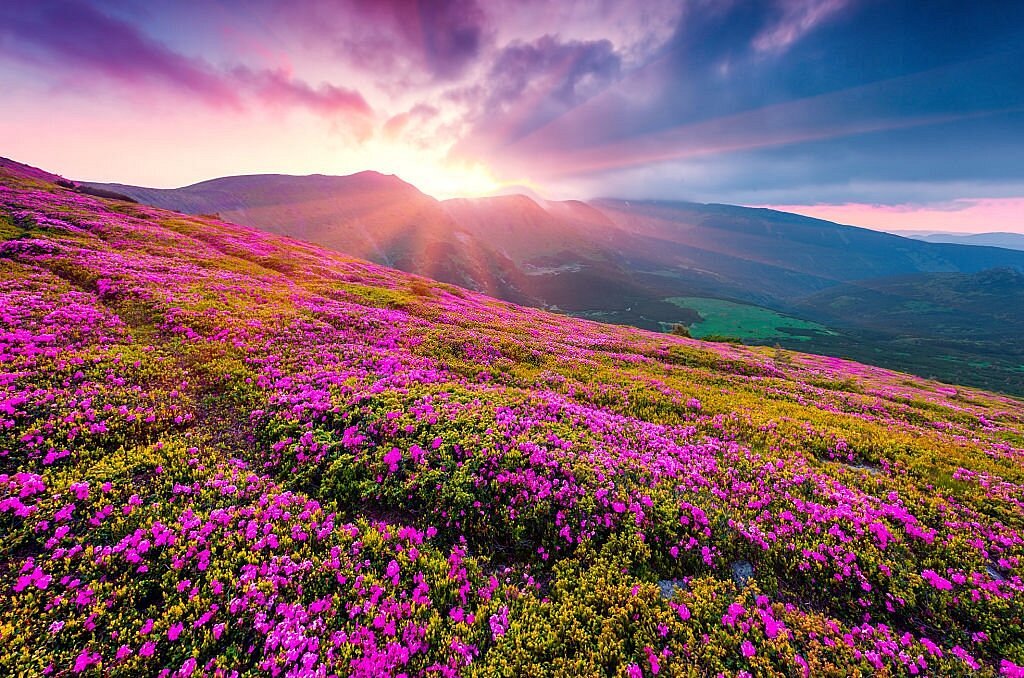
The Valley of Flowers, recognised as a UNESCO World Heritage Site, has reopened for tourists, welcoming nature enthusiasts to explore its stunning landscapes. Located in the scenic Chamoli District of Uttarakhand, the valley is now accessible until October 31. This seasonal opportunity allows visitors to experience one of India’s most remarkable natural destinations.

According to local forest officials, the valley’s reopening provides a unique chance for trekkers, photographers, and adventure lovers to immerse themselves in the beauty of its diverse ecosystem. The valley’s reputation for vibrant colours and breathtaking flora serves as a significant draw for both domestic and international travellers.

Rich Biodiversity and Unique Flora

The Valley of Flowers is home to over 300 species of flowering plants, showcasing an impressive array of biodiversity. Among these, visitors can expect to find a wide variety of Himalayan flora, including rare and endemic species. Forest Range Officer Chetna Kandpal emphasised the importance of the valley as a hub for botanists and conservationists due to its diverse plant life.

Notable species found in the valley include various wildflowers, which contribute to the extraordinary visual display during the blooming season. The valley comes to life during the monsoon months, transforming into a vibrant tapestry of colours that attracts countless visitors each year.

The best time to visit the Valley of Flowers is generally acknowledged to be from July to September, when the rain nourishes the landscape, leading to a spectacular flowering period. The emergence of different flower species at various times ensures that the experience is unique for each visitor.

Accessing the Valley and Environmental Considerations

Reaching the Valley of Flowers begins at Govindghat, where visitors must trek to Ghangaria, the gateway to the valley. This trek is characterised by breathtaking views of forests, waterfalls, and the majestic mountainous terrain, making it an enriching experience in itself. From Ghangaria, a scenic pathway leads directly into the heart of the valley.

Officials are advocating for responsible tourism practices to preserve the valley’s delicate environment. Visitors are encouraged to refrain from littering, adhere to marked trails, and respect the natural surroundings to ensure the site’s sustainability for future generations. Promoting eco-friendly behaviour is vital for maintaining the natural beauty of this UNESCO-listed attraction.

The Valley of Flowers serves as a prominent habitat for a variety of plant and animal species indigenous to the Himalayas. Its ecological significance has drawn the attention of conservation efforts focused on safeguarding this fragile ecosystem from the impacts of climate change and human activity.

A Unique Seasonal Experience Awaits

With its rich floral diversity, stunning Himalayan landscapes, and status as a UNESCO World Heritage Site, the Valley of Flowers remains a premier natural attraction in India. As the season unfolds, visitors are presented with a unique opportunity to witness a landscape that flourishes with colour. The valley’s limited opening window enhances the allure, making it a must-visit destination for nature lovers and adventurers alike.

The Valley of Flowers has continually captivated those who journey through its meadows, firmly establishing itself as a vital ecological treasure. As it reopens, the valley invites all to discover its beauty while knowing the importance of preserving its integrity for future visitors.

Long or Short, get news the way you like. No ads. No redirections. Download Newspin and Stay Alert, The CSR Journal Mobile app, for fast, crisp, clean updates!

App Store –  https://apps.apple.com/in/app/newspin/id6746449540 

Google Play Store – https://play.google.com/store/apps/details?id=com.inventifweb.newspin&pcampaignid=web_share

Latest News

Popular Videos
