


Rahul Gandhi Demands Dharmendra Pradhan’s Removal Before Discussing NEET Paper Leak Issue
The CSR Journal Magazine

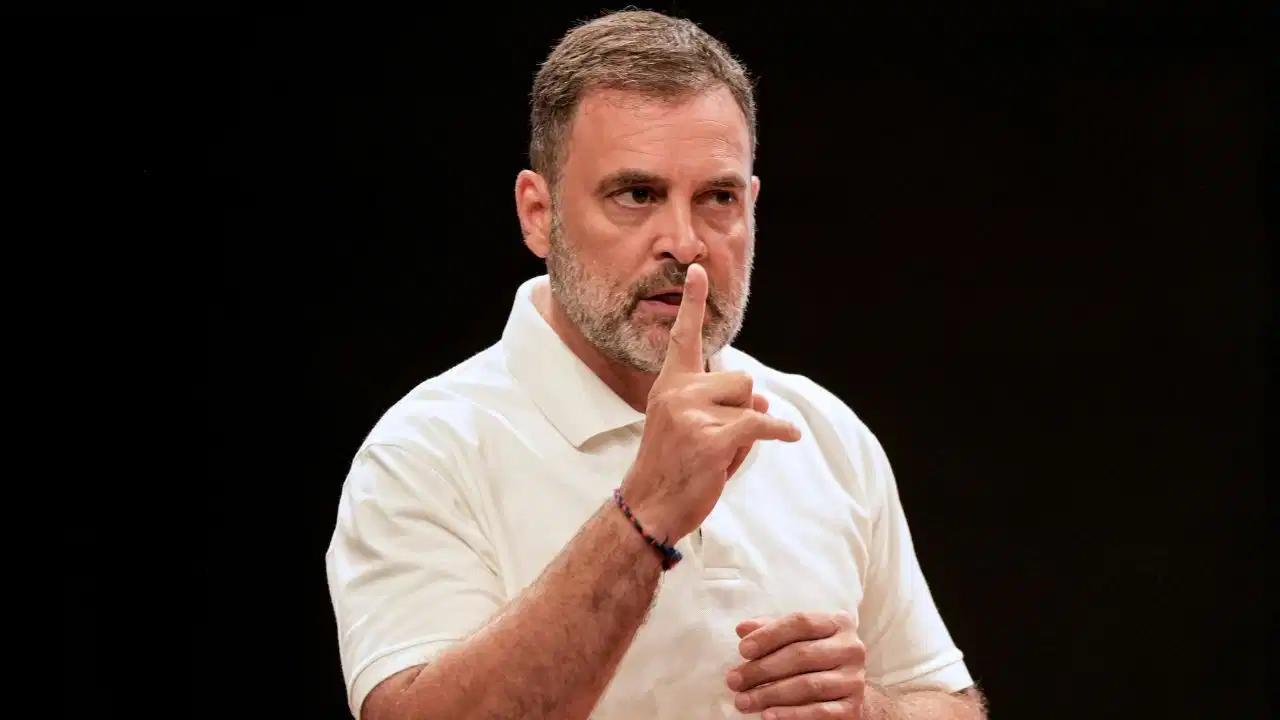
Rahul Gandhi, the Leader of Opposition in the Lok Sabha, emphasised that the Opposition is willing to engage in discussions regarding the recent paper leak issue. However, he firmly asserted that the removal of Union Education Minister Dharmendra Pradhan is a prerequisite for any dialogue to commence. This statement was made during a session on July 24, amid ongoing protests by students regarding the integrity of examination processes.

In a reported incident, Gandhi claimed that Union Parliamentary Affairs Minister Kiren Rijiju had extended an invitation to MPs for a related discussion but denied him the opportunity to voice his responses. He stated, “When I wanted to respond, my mic was taken away. I wasn’t given the opportunity.” This incident highlights the tensions within the parliamentary proceedings related to the paper leak controversy.

Protesting Students Outline Their Demands

According to Gandhi, protesting students have articulated three main demands that must be addressed before any meaningful discussion can take place. He asserted that the Opposition stands united in these demands, stating that the first requirement is the removal of what he referred to as a “corrupt Education Minister.” The second demand is for action to be taken against individuals who allegedly assaulted students during the protests. Lastly, he called for an apology from the Prime Minister towards the affected students.

Gandhi reiterated the seriousness of these demands, saying, “We are not going to have any conversation, any discussion before Mr Pradhan is sacked.” The insistence on these conditions underscores the urgency felt by the Opposition regarding the issue at hand and their commitment to advocating on behalf of the protesting students.

Other members of the Congress party have expressed similar sentiments. Congress MP Karti P Chidambaram described the government’s approach as insufficient, characterising it as reactionary rather than preventive. His criticism reflects broader concerns within the Opposition about the efficacy of the government’s current response to the crisis.

Response to Proposed Government Measures

The central government, under Prime Minister Narendra Modi’s leadership, has reportedly considered a draft Bill that aims to establish fast-track courts for cases of examination paper leaks. However, Chidambaram dismissed this initiative as a “post-fact” measure, questioning its effectiveness in preventing future leaks and ensuring the integrity of the examination system.

Chidambaram pointed out that while punitive measures are necessary for accountability, the focus should be on preventive strategies to mitigate the occurrence of such leaks in the future. He highlighted that the government has yet to provide clear information on how it plans to tackle the underlying issues that lead to systematic leaks. “The government is still not clear on how it’s going to prevent the systematic leaks,” he stated.

This ongoing dialogue between the Opposition and the government illustrates the deep divisions on handling the paper leak issue and reflects broader concerns regarding educational governance in India. The call for comprehensive reforms to uphold the integrity of examination processes remains a pressing priority for many stakeholders.

Long or Short, get news the way you like. No ads. No redirections. Download Newspin and Stay Alert, The CSR Journal Mobile app, for fast, crisp, clean updates!

App Store –  https://apps.apple.com/in/app/newspin/id6746449540 

Google Play Store – https://play.google.com/store/apps/details?id=com.inventifweb.newspin&pcampaignid=web_share

Latest News

Popular Videos
