


UN Report Links Red Fort Attack to AQIS, Highlights Regional Security Threats
The CSR Journal Magazine

A recent report from a UN Security Council monitoring team has formally connected the November 2025 terror attack on the Red Fort in New Delhi to Al-Qaeda in the Indian Subcontinent (AQIS). This conclusion is part of an extensive analysis describing AQIS’s evolution from a disjointed group into a formidable regional terrorist organisation. The report underscores the ongoing threats posed by AQIS and similar entities in South Asia.

The report notes that AQIS has been diversifying its structure, establishing logistics and financial networks that operate through small, decentralised cells. This transformation allows them greater flexibility and operational effectiveness compared to larger, traditional units.

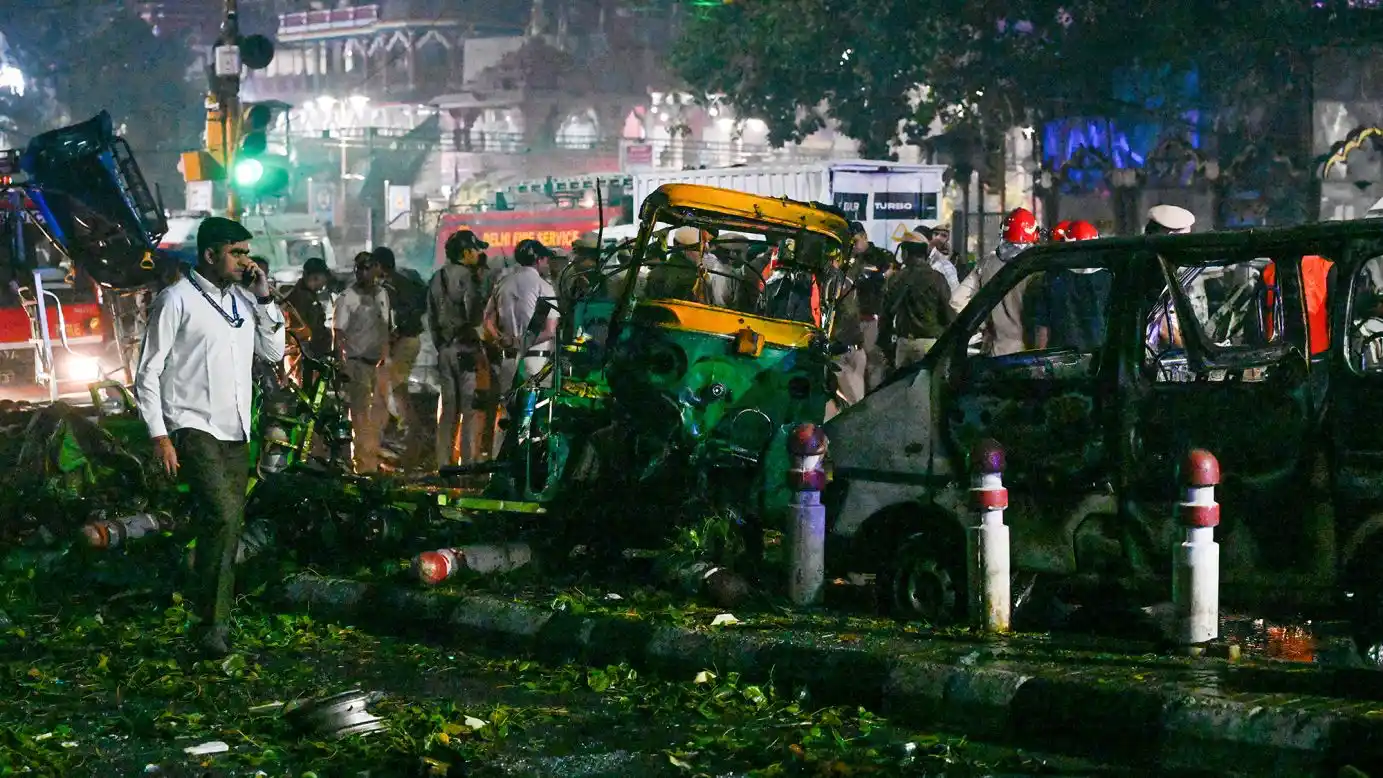
The Red Fort attack, which resulted in approximately 15 fatalities and numerous injuries, involved a significant explosion from a vehicle near a traffic signal close to the Red Fort metro station, further emphasising the grave security challenges in urban areas.

Concerns Over Terrorist Activities and Capabilities

Additionally, the report details concerns regarding AQIS’s activities in Bangladesh, where it is allegedly trying to set up operational cells. Alongside these developments, Al-Qaeda and ISIL have displayed a long-standing interest in chemical and biological weaponry, although they have reportedly struggled with the technical challenges of producing such materials.

The report highlights that online terrorist communities have disseminated instructions on developing these weapons, including recent publications by ISIL. For example, the English-language Invade magazine included guidelines for creating dangerous substances such as botulinum toxin and cyanide. This dissemination raises alarms about the potential for increased terrorist capabilities.

Moreover, ISIL-K has shown a particular interest in such weapons and circulated instructions on how to produce ricin, which resulted in the arrest of three individuals, including a medical professional, in India by the end of 2025. This incident illustrates the real risks associated with terrorists attempting to leverage medical knowledge for harmful purposes.

Regional Security Dynamics in South Asia

The report indicates that tensions in South Asia remain high, especially concerning cross-border incidents between Pakistan and Afghanistan. The ongoing instability is likely to foster environments conducive to terrorist operations. Although the Taliban have publicly denied any affiliations with terrorist organisations, regional experts are increasingly concerned that the conflict could provide new opportunities for these groups.

According to the report, the persistent threat from terrorist groups operating within Afghanistan poses a long-term security risk to neighbouring countries and Central Asia. Despite various measures taken by local authorities to address the problem, the situation remains unchanged, with numerous groups continuing to function without significant hindrance.

Furthermore, the restructuring of Tehrik-e Taliban Pakistan (TTP) announced on December 25, which included new divisions focusing on areas such as Kashmir and Balochistan, indicates an expansion of their operational footprint. This organisational change features a newly designated “TTP Air Force,” further complicating the regional security scenario.

In conclusion, the report connects the Red Fort attack to AQIS and emphasises a broader security environment characterised by active terrorist networks, the online distribution of weapon-making instructions, and ongoing instability across South Asia.

Long or Short, get news the way you like. No ads. No redirections. Download Newspin and Stay Alert, The CSR Journal Mobile app, for fast, crisp, clean updates!

App Store –  https://apps.apple.com/in/app/newspin/id6746449540 

Google Play Store – https://play.google.com/store/apps/details?id=com.inventifweb.newspin&pcampaignid=web_share

Latest News

Popular Videos
