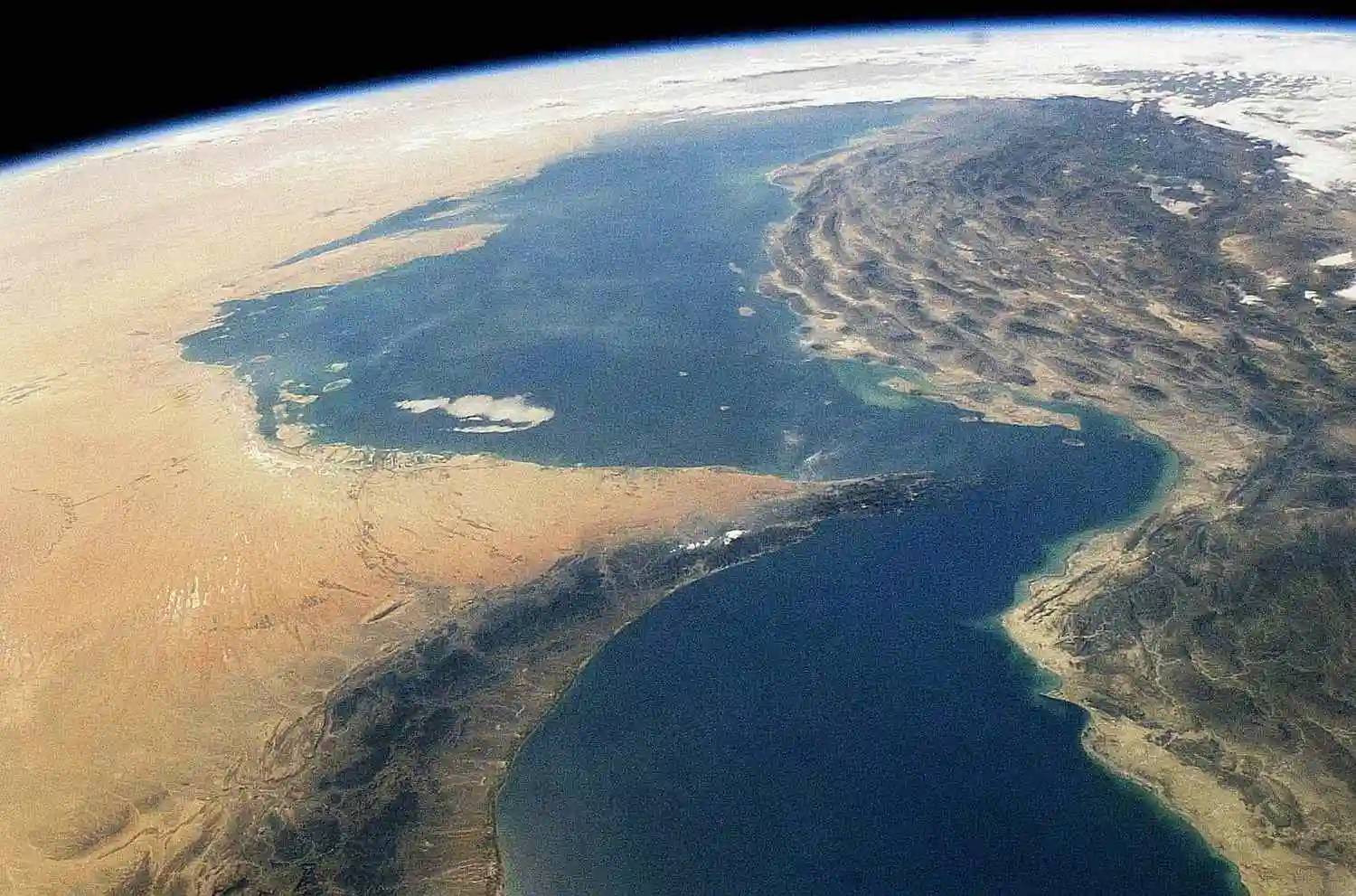
The Pentagon has informed the US Congress that clearing naval mines allegedly deployed by Iran in the Strait of Hormuz could take up to six months, underscoring a major challenge to restoring stability in the region despite a fragile ceasefire.
Lawmakers Raise Concerns Over Timeline
According to a briefing to the House Armed Services Committee, details of which were reported by The Washington Post, the extended timeline has sparked frustration among both Democratic and Republican lawmakers. Officials warned that prolonged disruption in the Strait could keep global energy prices elevated even if a broader peace agreement is reached.
The economic fallout is already visible. Brent crude futures have crossed the USD 100 mark, while West Texas Intermediate futures are trading significantly higher, reflecting market anxiety over supply disruptions in one of the world’s most critical energy corridors.
Allegations Of Sophisticated Mine Deployment
Sources cited in the report said Tehran may have deployed at least 20 naval mines in the Strait, some using GPS-enabled remote systems that make detection more difficult for US forces. The alleged mining activity reportedly began in March amid ongoing US and Israeli military operations.
US President Donald Trump issued a sharp warning, stating Iran would face consequences “at a level never before seen” if it failed to remove any explosives placed in the waterway. The Strait of Hormuz typically handles nearly 20 per cent of global oil and liquefied natural gas shipments, making any disruption highly consequential.
Meanwhile, US Secretary of War Pete Hegseth said American forces are targeting suspected mine-laying vessels with “ruthless precision,” emphasising that the US would not allow the Strait to be held hostage.
Conflicting Claims And Strategic Stakes
Iran has denied responsibility, with Deputy Foreign Minister Majid Takht-Ravanchi rejecting the allegations. However, separate reporting by The New York Times suggested that even Iranian authorities may not be able to locate all deployed mines, complicating clearance efforts.
The operation to secure the waterway is expected to involve helicopters, drones and specialised divers. While earlier intelligence assessments had indicated disruptions could last months, the Pentagon has publicly disputed claims of a prolonged closure, calling such reports inaccurate and criticising the leak of classified briefing details.
The maritime standoff remains a critical flashpoint, with Iran linking the reopening of the Strait to the lifting of US naval restrictions. President Trump has reiterated demands for Tehran to fully reopen the route and abandon its nuclear programme as part of any broader peace deal.
Rising fuel costs and public discontent linked to the crisis are also beginning to shape the domestic political environment in the United States ahead of upcoming midterm elections.