


Congo Ebola Crisis Worsens With Over 320 Cases Reported
The CSR Journal Magazine

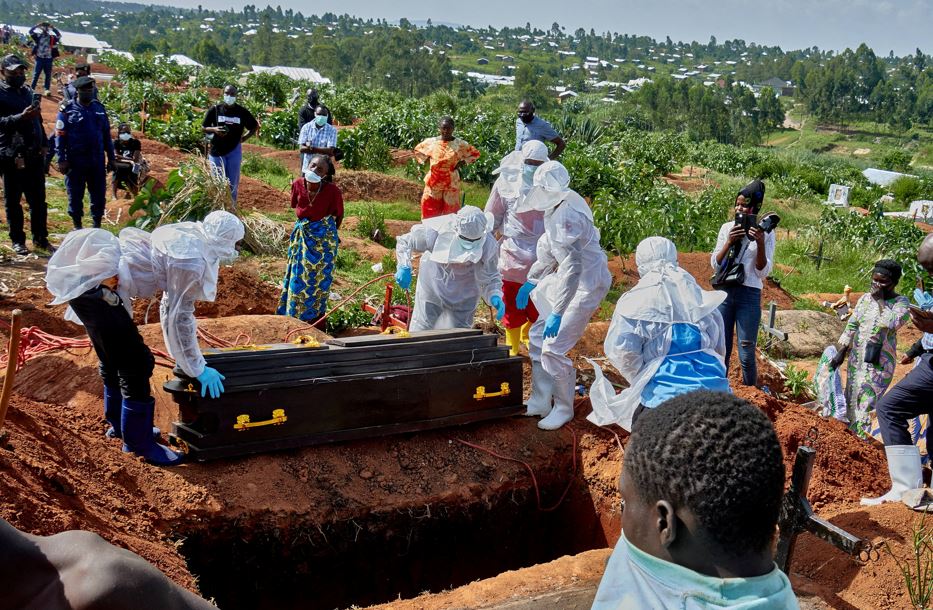
The Ebola crisis in the Democratic Republic of Congo has escalated, with authorities confirming more than 320 cases as of the latest reports. The outbreak has raised significant concern within both local and international health organisations, as they work to contain the virus and prevent further spread. Experts highlight that the current situation requires immediate attention and action from various health agencies.

The confirmed cases include a mixture of suspected and probable infections, which health officials are closely monitoring. In the past few weeks, the rate of reported infections has accelerated, prompting fears that the outbreak could become more widespread. Health departments are collaborating with community leaders to encourage reporting of symptoms and prevention measures.

Communities in heavily affected areas are experiencing heightened anxiety due to the rapid increase in cases. Health workers have begun implementing precautionary measures, including public awareness campaigns to educate residents about risk factors associated with Ebola. However, misinformation and fear have made the task challenging.

Global Response and Vaccination Efforts

In light of the worsening situation, a global race for an effective vaccine has commenced, with pharmaceutical companies and health organisations mobilising resources to develop and distribute a vaccine rapidly. Initial trials for a vaccine are reportedly underway, with researchers focussing on ensuring its efficacy and safety before widespread rollout.

Health officials are coordinating with international partners to secure funding and logistical support aimed at vaccination drives. The goal is to have an operational plan in place, which could allow for timely distribution in the most affected areas. Vaccination efforts are deemed crucial in halting the transmission of the virus among the local population.

Additionally, some countries have pledged to send medical teams and supplies to assist with the crisis. The international community is urged to contribute towards mitigating the Ebola outbreak and ensuring that affected regions receive the care they require. Continued collaboration and shared knowledge will be vital as efforts intensify to combat the virus.

Public Health Concerns and Future Outlook

The humanitarian implications of the Ebola outbreak are significant. There is an urgent need for effective healthcare infrastructure in the affected regions to manage not only the current outbreak but also to prepare for any future health crises. Analysts have noted that adequate funding and sustained commitment are essential for building resilient health systems.

Local health authorities are prioritising contact tracing to identify individuals who may have been in contact with confirmed cases. This preventive measure is critical to break the cycle of transmission. However, the effectiveness of these measures may depend on the willingness of the community to engage with health officials and adhere to guidelines.

The situation remains fluid, with health experts continuously assessing the risk factors involved. They emphasise that while the response thus far has been considerable, enhanced efforts will be necessary to contain the outbreak entirely. The collective focus now is on equipping health workers and the community with the tools they need to combat Ebola effectively.

Long or Short, get news the way you like. No ads. No redirections. Download Newspin and Stay Alert, The CSR Journal Mobile app, for fast, crisp, clean updates!

App Store –  https://apps.apple.com/in/app/newspin/id6746449540 

Google Play Store – https://play.google.com/store/apps/details?id=com.inventifweb.newspin&pcampaignid=web_share

Latest News

Popular Videos
