


Parliament Special Session: Lok Sabha Approves Constitution Bill on Women’s Quota
The CSR Journal Magazine

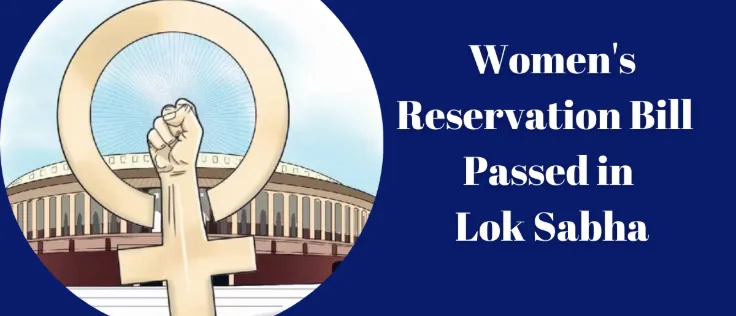
The Lok Sabha convened for a special session to discuss the Constitution Bill aimed at amending the women’s reservation law. This significant legislative effort received considerable attention as members of the house deliberated on the implications of the amendment. The vote concluded with a majority in favour of the bill, reflecting substantial support for initiatives aimed at increasing women’s representation in governance.

Voting Results and Reactions

Amid the discussions, members highlighted the importance of including more women in decision-making roles. Proponents of the bill argued that such a legislative change would not only represent a step towards gender parity but also strengthen democracy by ensuring diverse perspectives in policy formulation. The opposition raised concerns regarding the timing and effectiveness of such amendments, citing fears that they might not lead to tangible improvements without supportive structures.

The debate surrounding the women’s quota has been a focal point in Indian politics, revitalising discussions about gender roles and representation. Many advocates for the bill view this legislative measure as a long-overdue step, while critics assert that the execution of the bill remains a significant challenge. Overall, the results of the vote signal a notable shift in parliamentary priorities, focusing on women’s rights within the political framework.

Implications for Future Governance

The passage of the Constitution Bill is anticipated to have far-reaching implications for the political landscape in India. By instituting a quota for women, the bill aims to not only enhance representation but also inspire broader societal changes regarding gender equality. Observers speculate that this could lead to increased engagement of women in various sectors, thus fostering a more inclusive political environment.

As discussions continue, stakeholders will likely monitor the implementation of the bill closely. There is an expectation that additional measures will follow to ensure that the benefits of the reservation reach the intended demographic. The government may face pressure to develop accompanying policies that facilitate women’s entry into politics through training, financial support, and organisational backing.

Furthermore, the success of the initiative will depend on grassroots support and the mobilisation of women across various regions. Engagement with local communities could enhance awareness and participation, thereby maximising the potential impact of this legislative amendment. As the country moves forward, the focus will inevitably shift towards how these changes are realised in practice, alongside the broader context of women’s empowerment across India.

Long or Short, get news the way you like. No ads. No redirections. Download Newspin and Stay Alert, The CSR Journal Mobile app, for fast, crisp, clean updates!

App Store –  https://apps.apple.com/in/app/newspin/id6746449540 

Google Play Store – https://play.google.com/store/apps/details?id=com.inventifweb.newspin&pcampaignid=web_share

Latest News

Popular Videos
