


Delhi Government Proposes Major Business Reforms With Ease of Doing Business Bill 2026
The CSR Journal Magazine

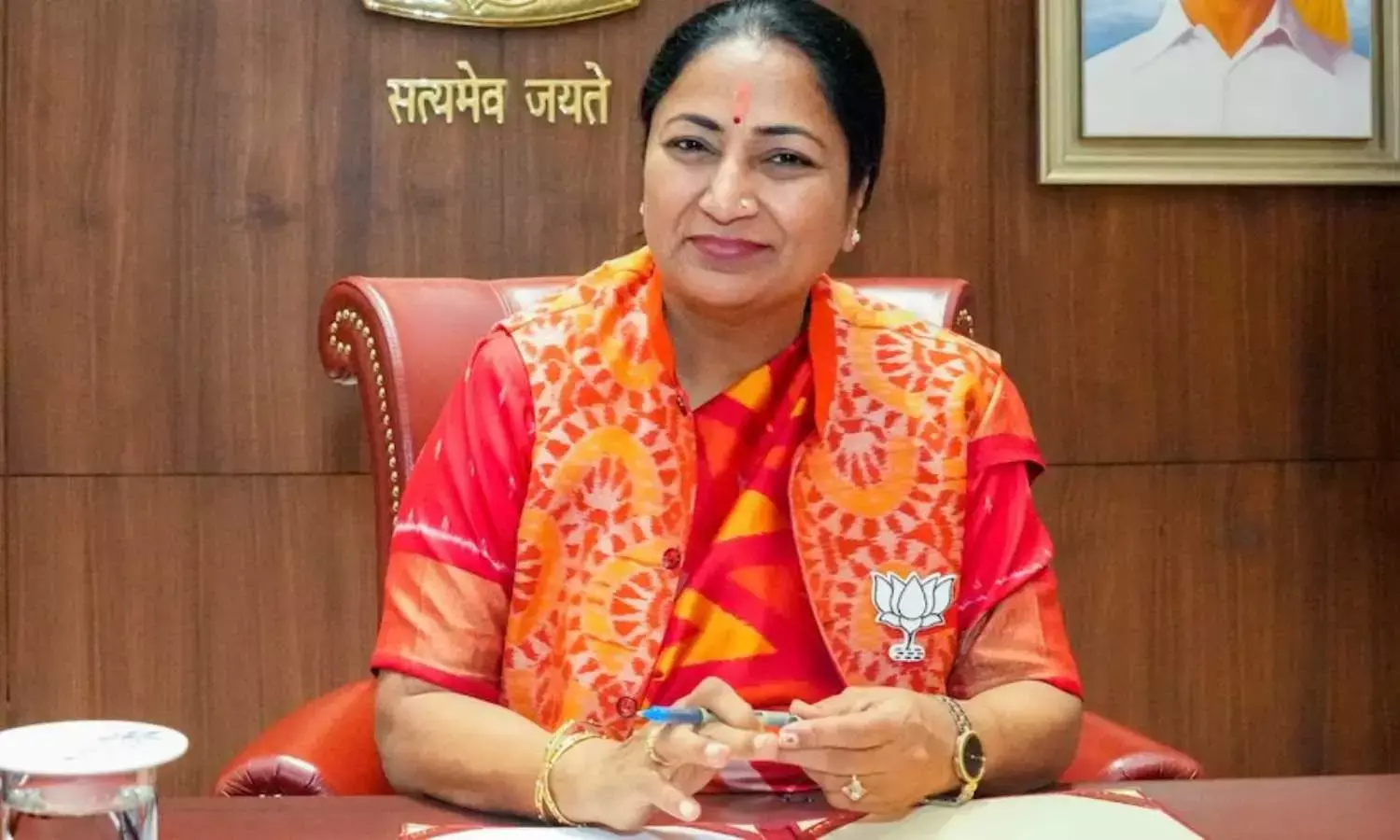
The Delhi Cabinet, led by Chief Minister Rekha Gupta, convened to discuss the draft of the Delhi Ease of Doing Business Bill 2026 on August 5. This initiative aims to create a more streamlined, transparent, and technology-driven framework for establishing and managing businesses in the national capital. The proposed legislation seeks to incentivise investments by significantly lowering regulatory hurdles and streamlining approval processes.

According to Gupta, the primary goal of the Bill is to allow entrepreneurs to concentrate on business growth rather than navigate through various governmental procedures. She emphasised that the intention is for business owners to dedicate their time to development activities rather than getting caught in bureaucratic red tape.

Key Features of the Proposed Legislation

The draft Bill aligns with the Government of India’s Compliance Reduction and Deregulation Initiative (Phase II) and is inspired by the spirit of the Jan Vishwas Bill, 2023. A significant feature is the introduction of a Single Window System. This online platform will enable businesses to obtain major approvals, registrations, licences, No Objection Certificates (NOCs), and utility connections seamlessly.

Under the proposed framework, critical services such as building plan approvals, factory licences, fire clearances, water and electricity connections, and RERA registrations will be processed within specified timelines. This approach aims to enhance operational efficiency and reduce delays in obtaining necessary clearances.

The Delhi State Industrial and Infrastructure Development Corporation (DSIIDC) will serve as the nodal agency tasked with coordinating the approval processes across various departments and civic bodies. This centralised approach is expected to facilitate quicker decision-making and bolster the ease of conducting business in the city.

Changes in Regulatory Practices

One notable provision of the Bill is the concept of deemed approval. This would automatically classify applications as approved if they are not addressed within the designated timeframe. This feature intends to prevent unnecessary delays and enables applicants to download their approvals via the online portal without further bureaucratic intervention.

The legislation also introduces self-certification for certain low-risk activities encompassing fire safety, building approvals, pollution permissions, and low-tension electricity connections. Furthermore, businesses that are registered under GST, FSSAI, the MSMED Act, or Labour Codes may be exempted from needing multiple individual licences.

In terms of inspections, routine checks will not be conducted for three years following registration unless serious complaints arise. This move aims to simplify operations while still allowing for accountability in cases of legitimate violations. The Bill also recommends a Negative List approach, which permits businesses to engage in activities unless explicitly prohibited.

Gupta noted that these proposed reforms indicate a transition towards a governance model based on trust, although stringent actions will remain in place for actual infractions. After the necessary approvals from the Lieutenant Governor and Delhi Cabinet, the Bill will be submitted to the Ministry of Home Affairs for further consideration.

Long or Short, get news the way you like. No ads. No redirections. Download Newspin and Stay Alert, The CSR Journal Mobile app, for fast, crisp, clean updates!

App Store –  https://apps.apple.com/in/app/newspin/id6746449540 

Google Play Store – https://play.google.com/store/apps/details?id=com.inventifweb.newspin&pcampaignid=web_share

Latest News

Popular Videos
