


King Charles III Invites Andrew Burnham to Establish New UK Government
The CSR Journal Magazine

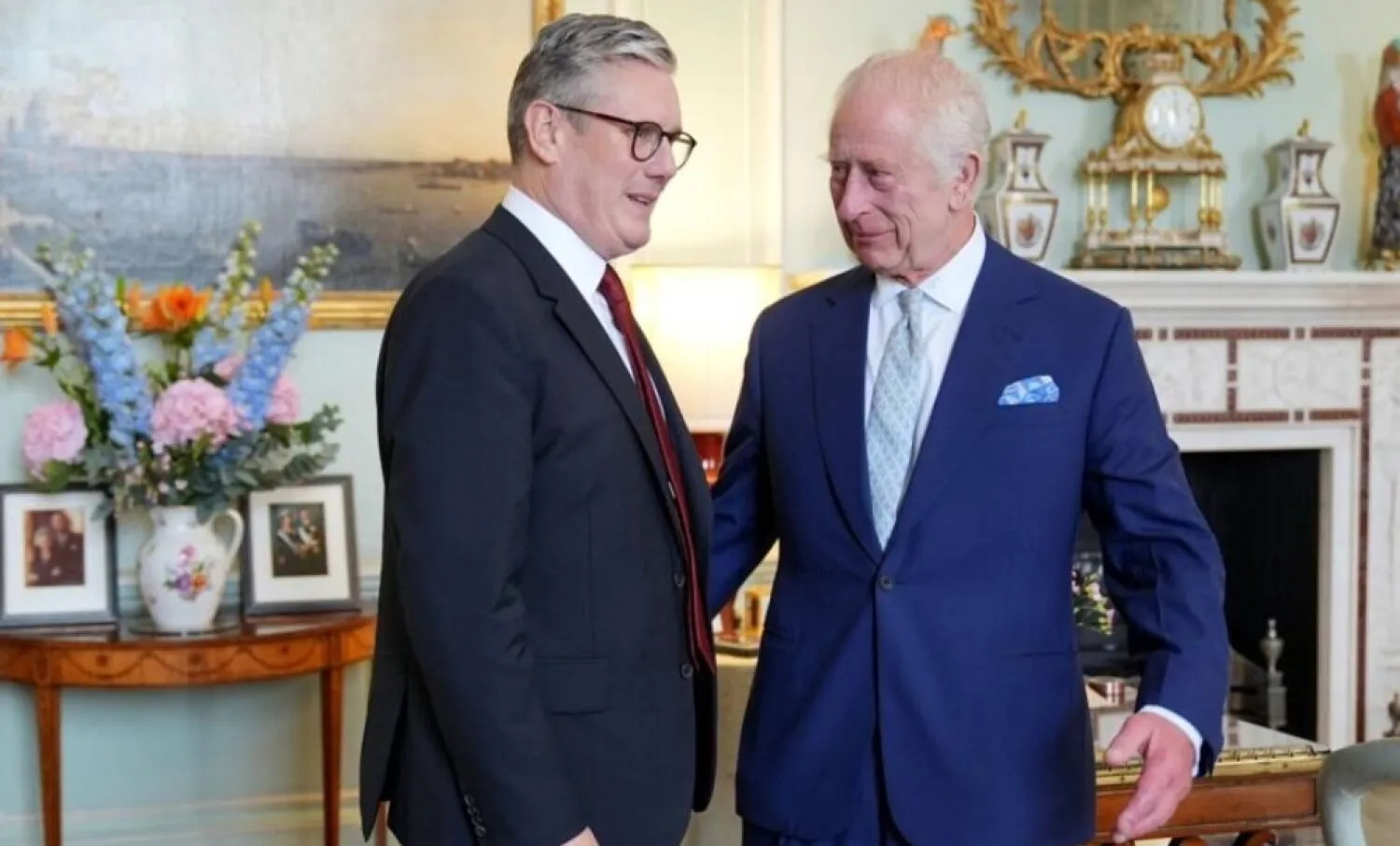
On July 20, 2026, King Charles III hosted an audience with Andrew Burnham, officially inviting him to form a new government. According to the Royal Family, Burnham was requested to establish a new administration during this significant meeting held at Buckingham Palace.

Upon his acceptance of the King’s offer, Burnham participated in a traditional ceremony known as ‘kissing hands.’ This ritual is a historic practice associated with the appointment of the UK Prime Minister. The Royal Family’s announcement on X detailed Burnham’s acceptance and formal appointment as Prime Minister and First Lord of the Treasury.

Burnham’s accession to the role marked him as the 59th Prime Minister of the United Kingdom, succeeding Keir Starmer, who resigned from the position earlier that day. The transfer of leadership occurred in a politically charged atmosphere as Burnham took up the mantle during a time of heightened public discontent.

Burnham Addresses Nation on Political Stability

In his inaugural address, Prime Minister Burnham emphasised Britain’s urgent need to re-establish its political stability. Reflecting on the recent turbulence within the political landscape, Burnham stated, “Britain needs to show the world that we can regain our stability once again,” highlighting his commitment to addressing public concerns regarding political efficacy.

As the Labour leader and the seventh Prime Minister in a decade, Burnham expressed a clear intention to act as a “circuit breaker” for the nation. He stated, “I am acutely conscious that I am the sixth person in the last ten years to walk up this street,” acknowledging the frequent changes in leadership that have characterised recent years.

Burnham’s comments also addressed voter frustrations, as he acknowledged the public’s weariness with the political process. “I know people at home are fed up with politics. I hear you,” he remarked, stressing the need for improvement within the political framework. He underscored his plan to enhance the way politics is conducted in the country.

Strategic Vision for Future Governance

A key element of Burnham’s address was his rejection of long-standing economic and political doctrines that have shaped British governance since the 1980s. He asserted the necessity for a new political and economic model, identifying the centralisation of power as a significant issue that needed to be addressed. “In the 1980s, Britain took some wrong turns,” he stated.

Burnham further noted the economic impact of privatisation and regional industrial decline, indicating that substantial parts of the country have yet to recover from these policies. His vision included fostering collaborative politics focused on problem-solving rather than partisan conflicts. He pledged to transition away from a Westminster-centric governance framework.

In outlining his priorities, Burnham expressed particular concern for the younger generation, advocating for systemic changes in education and support services. He committed to enabling better transitions into the workforce and increasing access to mental health resources. “That work starts now,” he concluded, setting the tone for his forthcoming leadership as Prime Minister.

Long or Short, get news the way you like. No ads. No redirections. Download Newspin and Stay Alert, The CSR Journal Mobile app, for fast, crisp, clean updates!

App Store –  https://apps.apple.com/in/app/newspin/id6746449540 

Google Play Store – https://play.google.com/store/apps/details?id=com.inventifweb.newspin&pcampaignid=web_share

Latest News

Popular Videos
