


Iran Resumes Drone Production Post Ceasefire, Rapid Recovery of Military Capabilities
The CSR Journal Magazine

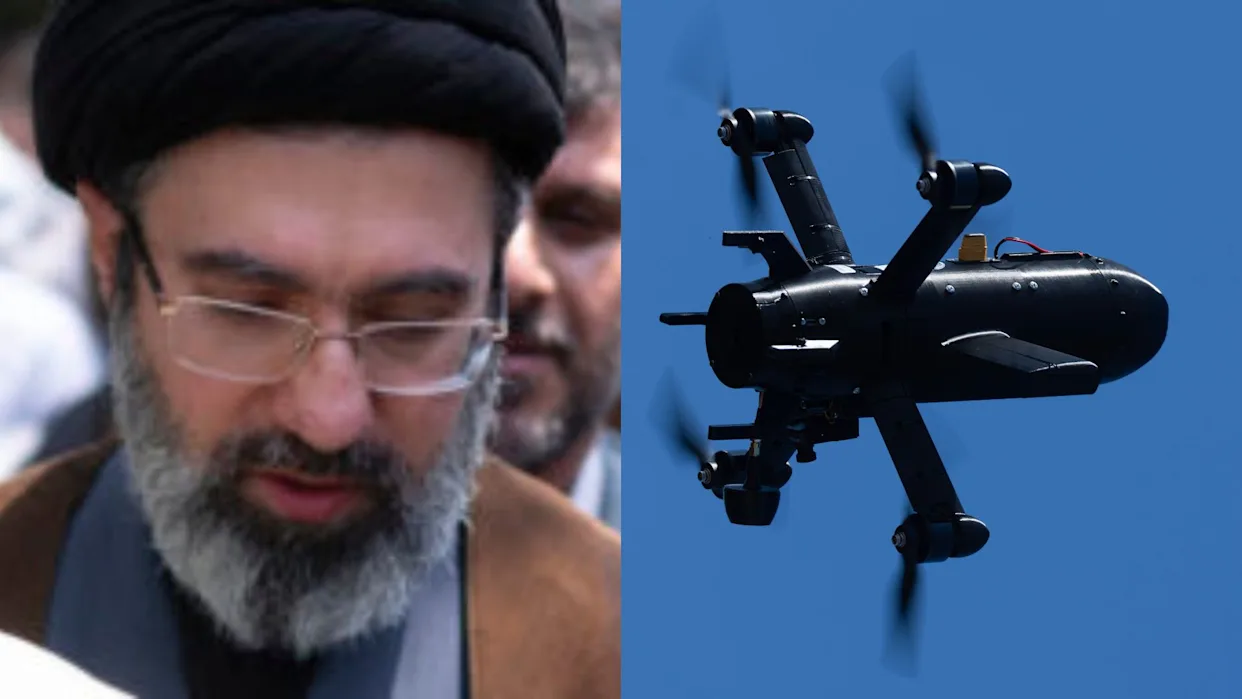
Iran has reportedly reinstated elements of its drone manufacturing network shortly after a ceasefire that halted hostilities with the United States and Israel. A CNN report, referencing multiple sources familiar with US intelligence evaluations, highlights that Iran is advancing the reconstruction of its military industrial base at a pace unforeseen by American officials. One US official indicated that Iran has surpassed all estimated timelines originally set by the intelligence community for recovery.

This assessment emerges as US President Donald Trump continues to caution that military action against Iran may resume if current negotiations do not yield satisfactory results. The unexpected speed at which Iran is regaining its military capabilities has surprised several US intelligence operatives.

Initial projections following the conflict estimated that Tehran would require several years to rebuild critical capabilities that had been impacted by US-Israeli strikes. However, intelligence reports now suggest that Iran may completely restore its drone assault capabilities within merely six months. It is believed that thousands of Iranian drones remain undamaged, with nearly half of their drone fleet surviving the recent combats.

Concerns Regarding the Efficacy of US-Israeli Military Actions

The latest intelligence data also raises significant questions about the actual effectiveness of the military campaign by the US and Israel. CENTCOM Commander Admiral Brad Cooper recently informed the US Congress that the airstrikes had significantly disrupted Iran’s defence sector. Various statements from President Trump echo this sentiment.

According to Admiral Cooper, “Operation Epic Fury substantially degraded Iran’s ballistic missiles and drones while harming 90 per cent of their defence industrial base, thus ensuring that Iran would be unable to rebuild for many years.” However, the recent intelligence evaluations appear to contradict this assertion.

It seems that Iran’s recovery might have been delayed by only a few months rather than years. Some key military production facilities either escaped the strikes or were not completely destroyed, permitting Iran to resume operations more swiftly than anticipated. A previous intelligence assessment estimated that about half of Iran’s missile launchers survived the bombardment, but newer assessments indicate that this number might be closer to two-thirds.

Speculation of External Support for Iran

US intelligence officials suspect that external assistance has contributed to Iran’s rapid recovery. Sources disclosed to CNN that support from nations such as Russia and China, combined with limited long-term damage inflicted by the strikes, enabled Iran to restart sections of its military production network more expediently.

During the conflict, China reportedly continued supplying Iran with components applicable for missile production, although there are indications that these supplies may be tapering off due to the US naval blockade surrounding Iranian ports. Additionally, Israeli Prime Minister Benjamin Netanyahu accused China of aiding Iran in missile component manufacturing, an allegation swiftly dismissed by Chinese officials.

A spokesperson for China’s Foreign Ministry, Guo Jiakun, referred to Netanyahu’s claims as “not based on facts.” Amid these intelligence concerns regarding Iran’s recovery, the Pentagon has maintained an optimistic outlook on the United States’ military standing in the region.

Long or Short, get news the way you like. No ads. No redirections. Download Newspin and Stay Alert, The CSR Journal Mobile app, for fast, crisp, clean updates!

App Store –  https://apps.apple.com/in/app/newspin/id6746449540 

Google Play Store – https://play.google.com/store/apps/details?id=com.inventifweb.newspin&pcampaignid=web_share

Latest News

Popular Videos
