


Why Glyphosate Use In India Continues To Divide Scientists, Regulators And Farmers
The CSR Journal Magazine

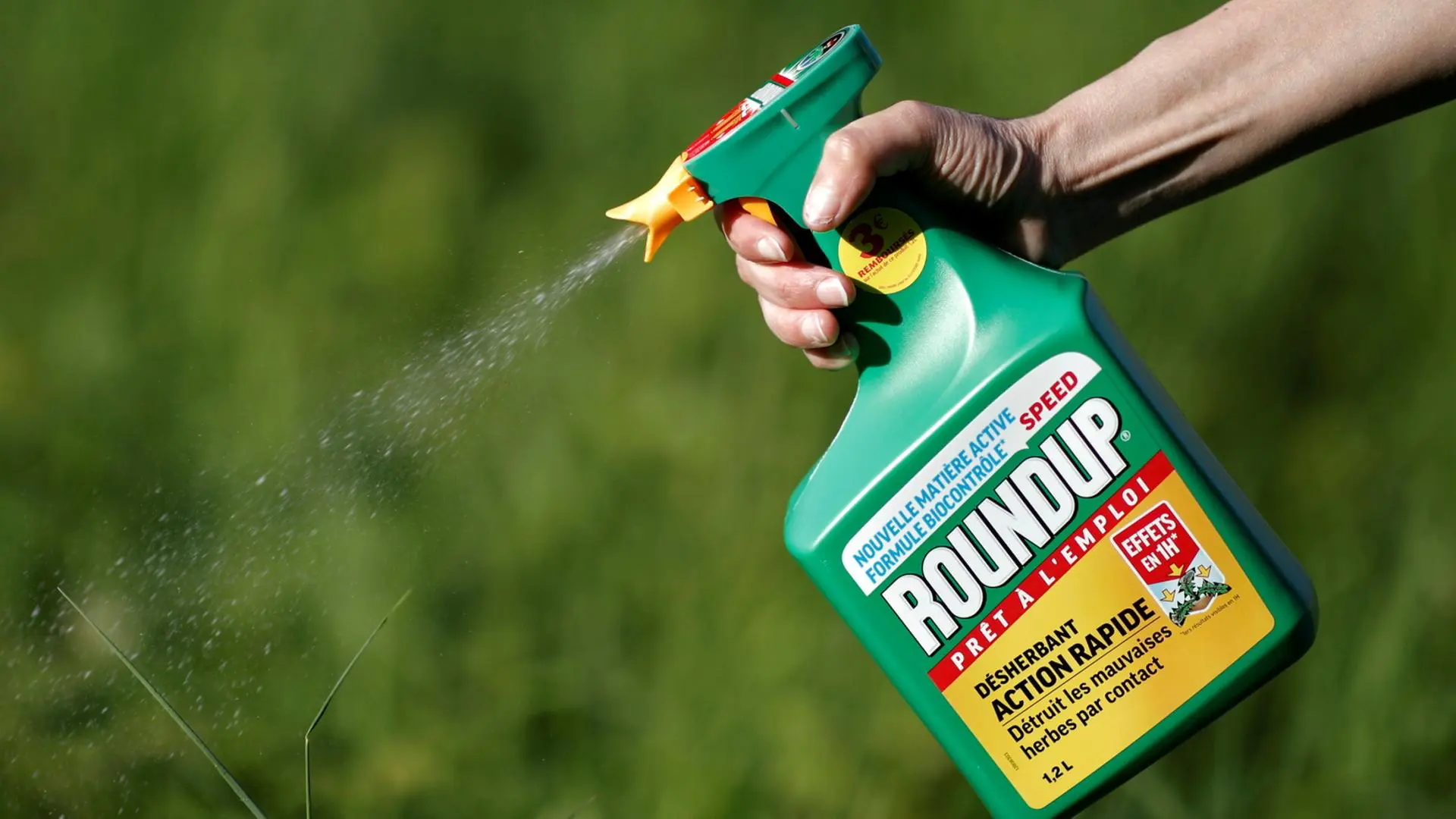
Glyphosate, one of the world’s most widely used herbicides, remains at the centre of a fierce global debate over its safety, environmental impact and regulation, with scientists, regulators, courts and agrochemical companies continuing to differ sharply over the chemical’s risks and benefits.

First introduced commercially in 1974 under Monsanto’s Roundup brand, glyphosate transformed modern agriculture by providing farmers with an efficient way to control weeds. Its use expanded further in the 1990s with the introduction of genetically modified “Roundup Ready” crops that were designed to tolerate the herbicide.

However, concerns over the chemical’s long-term effects on human health and the environment have triggered legal battles and prompted several countries to restrict or ban its use.

Health Concerns Spark Global Controversy

A major turning point came in 2015 when the International Agency for Research on Cancer (IARC), a specialised arm of the World Health Organization, classified glyphosate as “probably carcinogenic to humans”.

The finding fuelled thousands of lawsuits, particularly in the United States, where people suffering from non-Hodgkin lymphoma alleged that exposure to the herbicide had contributed to their illness.

Bayer, which acquired Monsanto in 2018, has paid billions of dollars to settle a large number of claims while continuing to maintain that scientific evidence supports the safety of glyphosate when used according to label instructions.

At the same time, other regulatory agencies, including the US Environmental Protection Agency (EPA) and the European Food Safety Authority (EFSA), have concluded that glyphosate does not pose a cancer risk under approved conditions of use.

The differing conclusions among scientific and regulatory bodies have contributed to the continuing controversy surrounding the herbicide.

Restrictions And Legal Battles In India

Several countries, including Vietnam, Austria and Germany, have imposed restrictions or announced plans to phase out glyphosate use, citing health and environmental concerns.

In India, glyphosate is legally approved for use in tea plantations and non-crop areas. However, experts and state governments have raised concerns over its widespread use in other agricultural applications.

In 2022, the Union Ministry of Agriculture and Farmers Welfare issued the Restriction on Use of Glyphosate Order, which sought to limit spraying to licensed and trained pest control operators. The move was aimed at reducing direct exposure among farmers and promoting safer handling practices.

However, the order was challenged by industry groups in the Delhi High Court, which granted interim relief and directed the government to review the matter. The policy has since remained in abeyance.

Concerns Over Environment And Resistance

Beyond health concerns, researchers have also highlighted the emergence of herbicide-resistant weeds, often referred to as “superweeds”, which have reduced the effectiveness of glyphosate in some regions.

Environmental groups have warned about the impact of the chemical on biodiversity and concerns relating to soil and water contamination.

Supporters of glyphosate, however, argue that it remains an important tool for farmers and that alternatives may be more expensive or require increased tillage, which can also have environmental consequences.

As scientific studies continue and regulatory reviews evolve, the debate over glyphosate reflects a broader challenge confronting modern agriculture: balancing productivity and food security with concerns over human health and environmental sustainability.

The controversy has ensured that glyphosate remains one of the most closely scrutinised agricultural chemicals in the world, with policymakers and researchers continuing to grapple with questions surrounding its future.

Long or Short, get news the way you like. No ads. No redirections. Download Newspin and Stay Alert, The CSR Journal Mobile app, for fast, crisp, clean updates!

App Store –  https://apps.apple.com/in/app/newspin/id6746449540 

Google Play Store – https://play.google.com/store/apps/details?id=com.inventifweb.newspin&pcampaignid=web_share

Latest News

Popular Videos
