


Trump Sets Firm Conditions for Iran deal, No Sanctions Relief or Asset Unfreezing
The CSR Journal Magazine

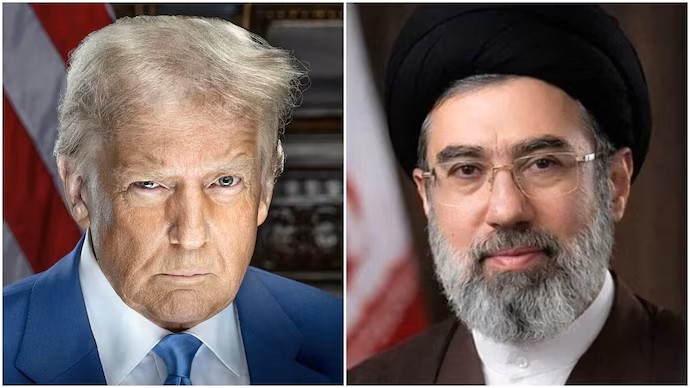
US President Donald Trump has articulated his conditions for any potential agreement with Iran, emphasising that there will be no relief from sanctions, unfreezing of assets, or discussions involving Lebanon. This statement marks a significant moment in the ongoing discourse surrounding Iran’s nuclear programme and its geopolitical repercussions. Trump’s administration has maintained a firm stance on these issues, arguing that concessions would undermine the United States’ strategic objectives.

According to Trump, any negotiations with Iran must include stringent measures to prevent the nation from advancing its nuclear capabilities. He believes that limiting Iran’s nuclear potential is paramount to ensuring regional stability and enhancing global security. The refusal to negotiate on sanctions reflects a broader strategy aimed at applying pressure on the Iranian government to alter its behaviour.

Focus on Iran’s Regional Activities

In recent statements, Trump has expressed concerns regarding Iran’s influence in the Middle East, particularly its alleged support for militant groups. He has consistently linked Iran’s actions in the region to broader threats against US allies. By refusing to engage in discussions that might alleviate economic pressures, Trump aims to highlight what he perceives as Iran’s destabilising role.

Trump’s comments also allude to the US’s policy of confronting Iran’s regional expansionism through economic sanctions. He contends that the sanctions are designed not only to address nuclear issues but also to limit Iran’s influence and discourage its support of groups seen as hostile to US interests. Analysts suggest that this approach reflects a long-standing strategy of using economic pressure as leverage in international diplomacy.

While Trump remains firm on his position, it is essential to note that the implications of such a stance may lead to further complexities in international relations. The possibility of collaboration with other nations to address the Iranian challenge still hangs in the balance, raising questions about the future of diplomacy in the region.

Reactions from International Leaders

International leaders have reacted to Trump’s statements with varied responses. Some have expressed concern that a rigid stance might hinder diplomatic efforts aimed at de-escalation. They argue that maintaining open channels for negotiation could facilitate a more favourable outcome for all parties involved. The prospect of European allies and other nations attempting to mediate presents an interesting dimension to the ongoing dialogue.

Moreover, the implications for global markets, particularly in terms of oil prices and economic stability, cannot be overlooked. Analysts suggest that continued tensions could result in fluctuations that impact not just the Middle East but economies worldwide. The interconnected nature of global trade means that decisions made in Washington will likely reverberate internationally.

In summary, the international community watches closely as the negotiations evolve. The emphasis on no sanctions relief, asset unfreezing, or talks involving Lebanon paints a picture of a challenging path ahead. As talks continue, developments in this area will undoubtedly remain critical to understanding both regional dynamics and the broader context of international relations.

Long or Short, get news the way you like. No ads. No redirections. Download Newspin and Stay Alert, The CSR Journal Mobile app, for fast, crisp, clean updates!

App Store –  https://apps.apple.com/in/app/newspin/id6746449540 

Google Play Store – https://play.google.com/store/apps/details?id=com.inventifweb.newspin&pcampaignid=web_share

Latest News

Popular Videos
