


US Implements Chinese Tactic For Oil Movement In Hormuz Strait
The CSR Journal Magazine

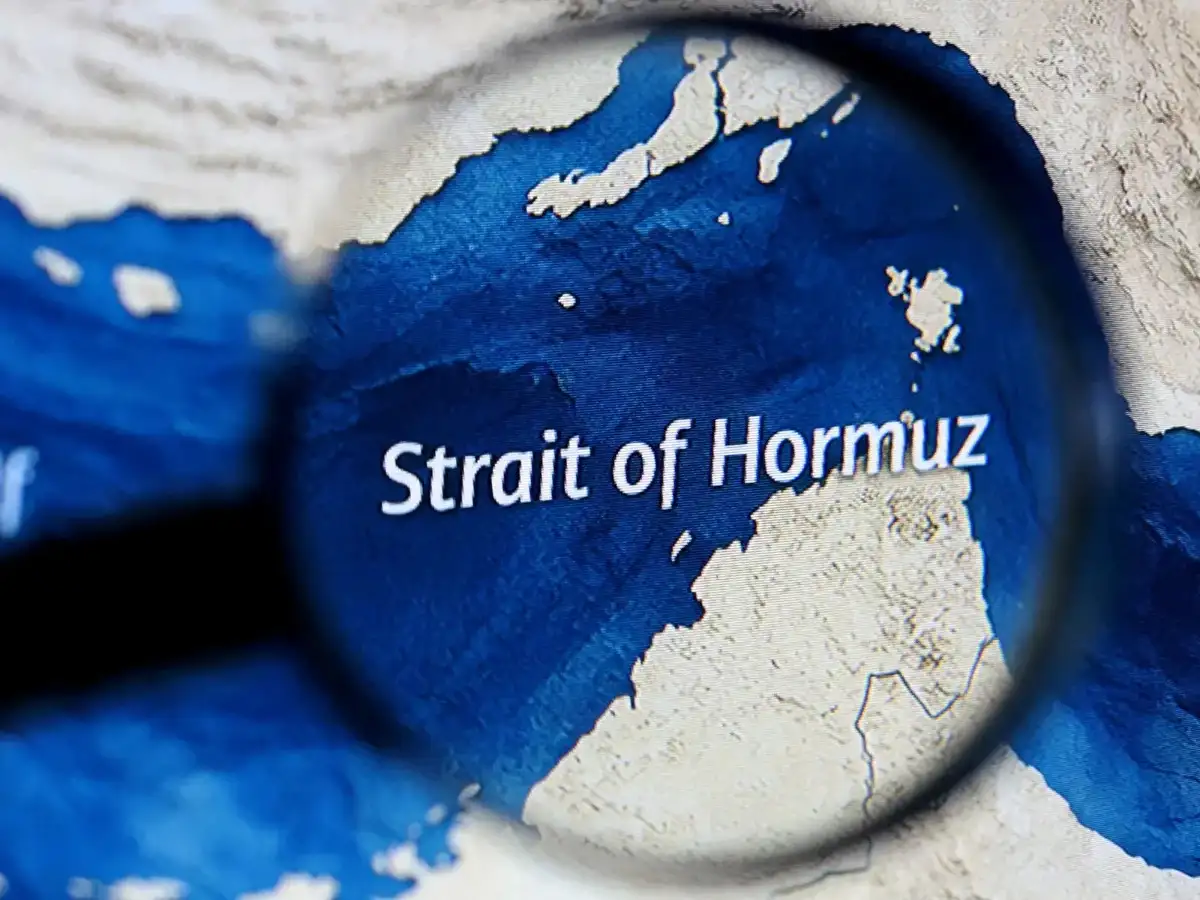
The United States has adopted methods reminiscent of those previously utilised by China to facilitate the movement of oil in the Strait of Hormuz. For years, Washington condemned the clandestine logistics that allowed Beijing to navigate around US sanctions on Iranian oil, often through ship-to-ship transfers. However, the ongoing conflict in the region has forced a reconsideration of these tactics, where the US now appears to rely on a similar framework.

President Donald Trump referred to a “secret mission” during remarks indicating that the US has facilitated the movement of over 100 million barrels of oil, while assisting more than 200 commercial vessels in traversing the critical maritime route. Trump claimed that control of the strategic chokepoint lies with the US, rather than Iran.

Oil tankers linked to US interests have been reported to be utilising routes through Oman and employing ship-to-ship transfers in close proximity to Hormuz, maintaining oil supply amidst heightened tensions in the region. The anticipated disruptions to supply chains have not fully materialised, with Gulf crude continuing to reach international buyers in spite of fears.

Satellite Imagery Reveals Oil Transfers Off Oman

An analysis conducted by India Today’s Open Source Intelligence team leveraged historical satellite imagery to assess the movement of oil through workaround routes. European Space Agency’s Sentinel 2 satellite imagery has revealed significant concentrations of large oil tankers operating unusually close to each other in the Gulf of Oman, signifying active ship-to-ship transfer operations.

These transfers, reportedly visible from June 6, prominently featured tankers approximately six kilometres off Sohar port in Oman. Historical imagery indicates that such operations began appearing as early as May 4, signalling a consistent movement of oil off Oman’s coast.

This strategic approach marks a departure from typical commercial ship traffic through Hormuz. Instead, state-backed tankers, potentially linked to producers in Kuwait and the UAE, navigate the region whilst remaining under vigilant US military oversight, which may include transferring crude to vessels awaiting in less perilous waters.

Security Measures Implemented for Vessel Protection

The United States established a security framework approximately three weeks ago aimed at safeguarding ships navigating through the Strait of Hormuz via Omani waters. Under this arrangement, vessels seeking US military assistance are instructed to operate “dark,” meaning they must disable their radio signallers during the transit.

A close-knit network of US warships and Apache attack helicopters monitors these operations, offering essential security to the vessels choosing this narrower, more precarious route. This passage, which varies from approximately 33 kilometres to as narrow as 800 metres, presents significant navigational challenges, particularly for large crude carriers.

Maritime tracking services like TankerTrackers indicate that this region has emerged as a notable offshore transfer point for Gulf oil, with indications that non-commercial tankers transport crude from Gulf producers towards these offshore locations for transfer to commercial vessels, thereby reducing risks associated with the Strait’s volatility.

Despite the operational complexities and risks inherent in this maritime corridor, the persistence of oil supply through innovative shipping tactics showcases the resilience of the industry amidst ongoing geopolitical tensions. However, while these methods are effective for oil transport, they may not adequately address the needs for liquefied natural gas (LNG), liquefied petroleum gas (LPG), or bulk cargo movements without more substantial military presence.

Long or Short, get news the way you like. No ads. No redirections. Download Newspin and Stay Alert, The CSR Journal Mobile app, for fast, crisp, clean updates!

App Store –  https://apps.apple.com/in/app/newspin/id6746449540 

Google Play Store – https://play.google.com/store/apps/details?id=com.inventifweb.newspin&pcampaignid=web_share

Latest News

Popular Videos
