


Safe vs Toxic Foods for Dogs: What to Feed and What to Avoid
The CSR Journal Magazine

Many pet owners have faced the scenario where they enjoy a snack, only to be met with their dog’s pleading gaze. While humans often share food with their pets, it is essential to understand which foods are generally safe for dogs and which can pose health risks. Knowledge of the right options can enhance the well-being of dogs and allow them the occasional treat.

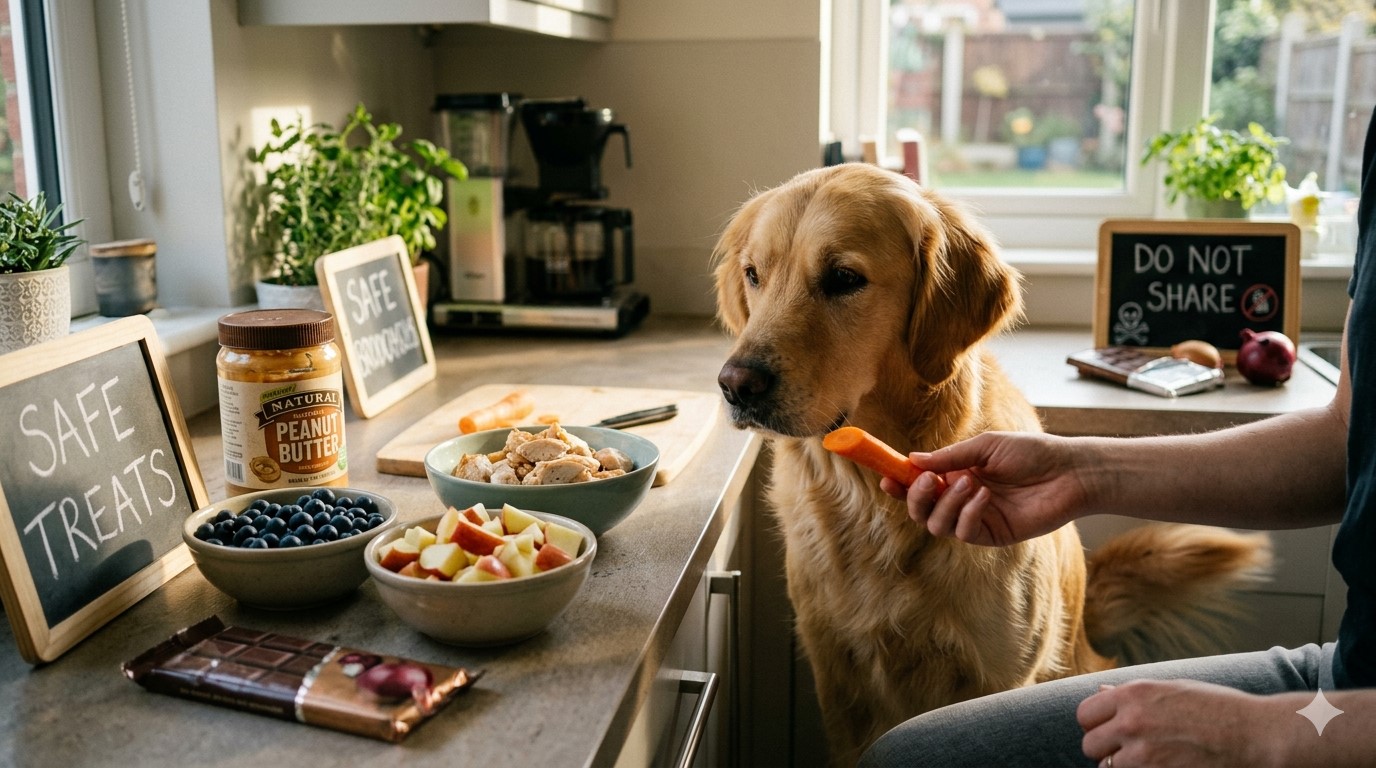
Among the foods that dogs can safely consume are several fruits and vegetables. For instance, carrots are a low-calorie snack that helps in overall dental health. Apples can also contribute nutrients such as fibre and vitamins, although it is vital to remove the seeds and core before sharing. Additionally, bananas provide potassium and can be offered in small quantities without risk.

Other safe options include blueberries, which are rich in antioxidants; plain cooked chicken, a good source of protein; and plain cooked rice, which is easy to digest and commonly recommended for upset stomachs. Foods like pumpkin are also beneficial due to their fibre content, aiding digestion. Moreover, peanut butter can serve as a favourite treat if given in moderation and without the presence of xylitol, a sweetener harmful to dogs.

Foods That Can Be Harmful to Dogs

On the other hand, certain human foods can be extremely dangerous for dogs. Chocolate is among the most notorious, containing compounds that are toxic to them. Grapes and raisins pose serious kidney risks, while onions can damage red blood cells in dogs. Garlic remains another significant threat, as it can be toxic at sufficient amounts.

Various products containing xylitol should also be completely avoided, as they can lead to a dangerous drop in blood sugar levels. Recognising these harmful foods is just as crucial as understanding which foods are safe to share, as it prevents unintentional health hazards for pets.

Pet owners should keep in mind that even safe foods should be offered in moderation. Large portions, or foods containing added salt, sugar, spices, or oils can upset a dog’s stomach. It is advisable to start with small amounts when introducing new foods and monitor any unusual reactions from the dog. Moreover, those with existing health issues should consult their veterinarian before altering their diet.

Guidelines for Responsible Dog Owners

Understanding which human foods are safe and which are not can greatly improve the experience of sharing snacks with dogs. Fruits such as apples and bananas, alongside plain cooked chicken and pumpkin, can make nutritious treats when shared appropriately. Conversely, chocolate, grapes, onions, garlic, and products with xylitol should remain off-limits.

When in doubt, consulting a veterinarian can provide valuable insights into dietary changes and safety measures for sharing food with dogs. Being informed and cautious contributes significantly to ensuring that dogs remain healthy and happy while also enjoying occasional morsels from their owners’ plates.

Ultimately, the bond between a dog and its owner can be enriched by safe practices surrounding food sharing. By being mindful of what is safe, owners can maintain their pets’ health while indulging them with treats that promote joy and bonding.

Long or Short, get news the way you like. No ads. No redirections. Download Newspin and Stay Alert, The CSR Journal Mobile app, for fast, crisp, clean updates!

App Store –  https://apps.apple.com/in/app/newspin/id6746449540 

Google Play Store – https://play.google.com/store/apps/details?id=com.inventifweb.newspin&pcampaignid=web_share

Latest News

Popular Videos
