


US Plans to Use Frozen Iranian Funds to Compensate Gulf Allies
The CSR Journal Magazine

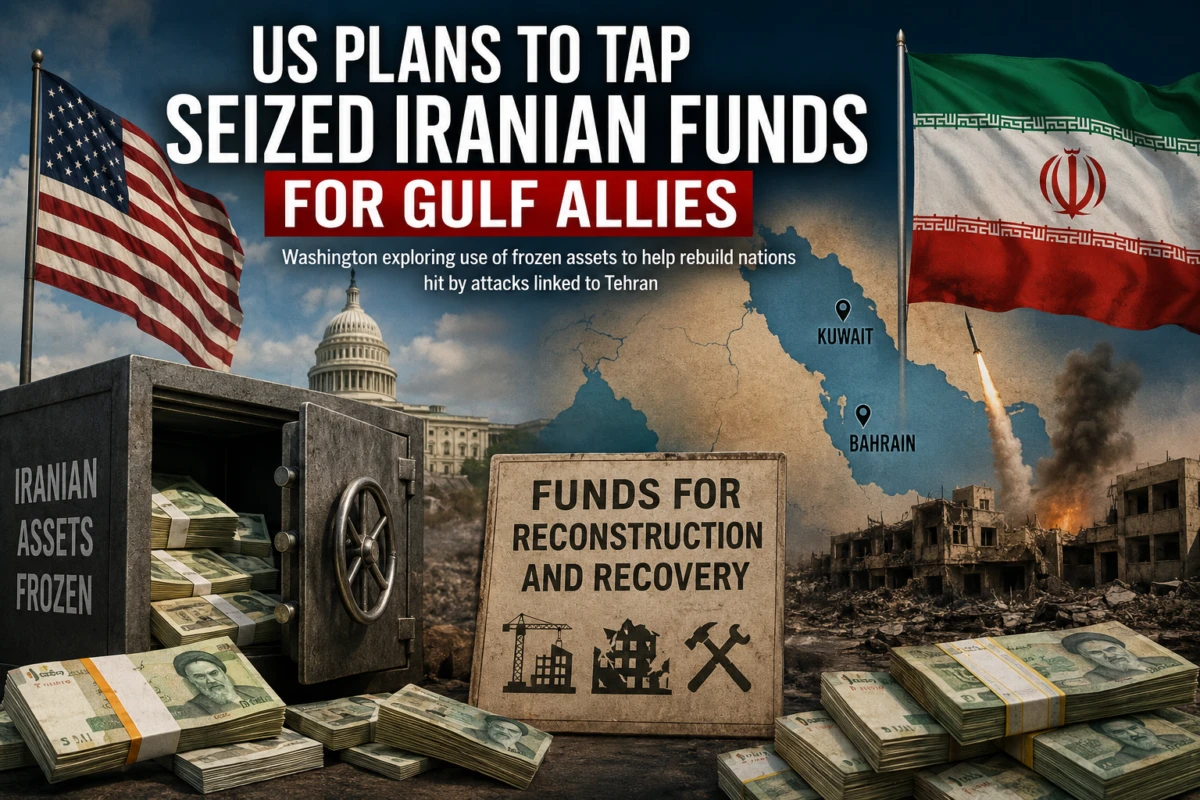
The United States is escalating its financial measures against Iran as geopolitical tensions rise. On Tuesday, US Treasury Secretary Scott Bessent highlighted that Iran might be held financially accountable for damages incurred by allied nations in the Gulf region. This revelation suggests that assets belonging to Iran, which are currently frozen, could play a role in Washington’s strategy to penalise the Iranian government.

This development occurs amid a backdrop of increasing military threats from President Donald Trump, who has signalled the possibility of new strikes against Iran and has proposed future operations reminiscent of those undertaken in Venezuela. Concurrently, indirect discussions between negotiators continue, focusing on the potential for reaching a comprehensive agreement.

In his post on social media platform X, Bessent stated, “The Iranian regime will lose the zero-sum game it is playing. Any damage it inflicts on our allies in the Gulf will be paid for with funds extracted from Iranian accounts.” He elaborated, indicating that financial repercussions from Iran’s actions will escalate significantly.

Iran Responds to US Allegations

Iranian officials have consistently dismissed claims that their frozen assets could be utilised for reconstruction or compensation purposes in the region. Deputy Foreign Minister Kazem Gharibabadi remarked that regional authorities lack the rights to demand reparations from Iran, asserting that the nation’s financial assets are “neither war spoils for Washington nor a payment fund for its allies.”

Gharibabadi cautioned that any move to seize or allocate Iranian assets without the country’s consent would represent “a new internationally wrongful act,” suggesting a severe response from Tehran if such actions were taken. His comments underscore the ongoing tensions surrounding Iranian financial resources as a point of contention in international relations.

As discussions about frozen assets unfold, Iran has made it clear that it retains control over maritime routes. The Strait of Hormuz, through which a substantial fraction of the world’s oil supply passes, has become a focal point of disputes since the onset of hostilities.

New Transit Conditions in the Strait of Hormuz

Against the backdrop of the ongoing conflict, Iran has reiterated its commitment to keeping the Strait of Hormuz open but has indicated that new regulations may be introduced. Iranian Ambassador to Moscow, Kazem Jalali, announced that Tehran and Oman plan to establish new conditions for maritime transit, which would include service-related charges.

Jalali affirmed, “This strait will be open, but with new conditions to be determined by the Iranian and Omani authorities,” signalling Tehran’s intention to have a more defined role in the management of this vital passageway.

As the situation remains fluid, the billions of dollars in frozen Iranian assets continue to serve as a central element in the ongoing diplomatic discourse between Washington and Tehran, reflecting the broader complexities of international relations in the region.

Diplomatic Efforts Amidst Rising Tensions

On Thursday, President Trump expanded the US pressure campaign on Iran, restating his preference to take control of Kharg Island, Iran’s key oil export site. He acknowledged, however, that the American public might not support escalating military engagement. Trump noted, “My preference has always been — take Kharg Island.”

In his comments on the programme “Fox & Friends,” Trump warned of impending military action against Iran, stating, “There will be more bombing tonight. It will be bigger, more powerful.” Despite these threats, Trump maintained that communication channels between the US and Iran remain operational.

While military actions escalate, efforts to secure a preliminary agreement continue. Sources have reported that Iran and the US are exchanging information on a potential memorandum of understanding that might facilitate a broader resolution. Disputes over the release of frozen Iranian funds remain a significant issue within these ongoing discussions.

Long or Short, get news the way you like. No ads. No redirections. Download Newspin and Stay Alert, The CSR Journal Mobile app, for fast, crisp, clean updates!

App Store –  https://apps.apple.com/in/app/newspin/id6746449540 

Google Play Store – https://play.google.com/store/apps/details?id=com.inventifweb.newspin&pcampaignid=web_share

Latest News

Popular Videos
