


Government Executes $3.3 Billion LIC Stake Sale With Secrecy And Speed
The CSR Journal Magazine

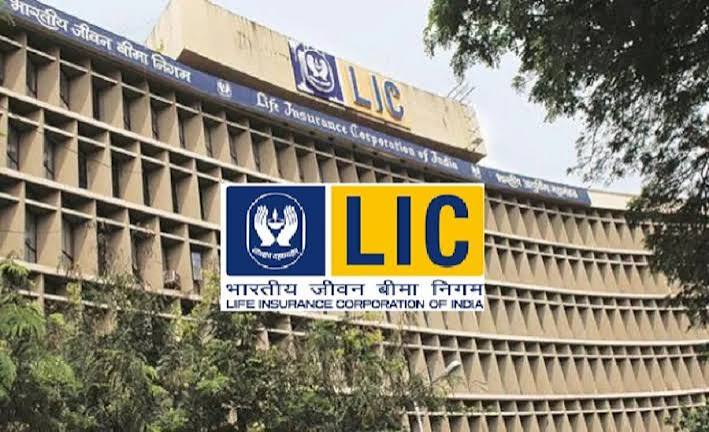
The Centre’s recent sale of a $3.3 billion stake in the Life Insurance Corporation of India (LIC) was conducted with remarkable quickness and discretion. Bloomberg reported that even the investment banks involved were informed only hours prior to the launch on August 2, 2026. This operation reportedly marked India’s largest secondary share sale via a stock exchange, escalating from an initial plan of a 2.5 per cent offer to 6.5 per cent.

Officials from the Department of Investment and Public Asset Management (DIPAM) reportedly kept the announcement concealed to avert traders from positioning themselves beforehand, which could have lowered LIC’s stock price prior to the government’s divestment. The strategy effectively protected the share value during the sale period.

Bloomberg further revealed that a limited circle within the government was privy to the timing of the transaction. The advisers were incorporated into the process outside market hours, keeping the initiative tightly controlled.

Advisory Fees Waived by Investment Banks

Another noteworthy aspect of this transaction involved the absence of advisory fees from the four investment banks that supported the sale. According to the report, one bank decided not to charge fees during the bidding process, leading the others to follow suit. Such arrangements are not uncommon in significant government transactions, as they bolster the banks’ reputations and foster long-lasting ties with the government.

The decision to waive fees indicates the banks’ intent to enhance their credibility and standing through association with a major government initiative. The report pointed out that Indian investment banks often choose to accept minimal fees in exchange for the prestige and future opportunities that accompany high-profile assignments.

This trend reflects a broader strategy among investment firms, recognising that collaborating on substantial government transactions can yield significant benefits, despite foregoing immediate financial compensation.

Market Timing and Investor Engagement

The report stated that both government officials and bankers believed that keeping investors uncertain about the sale’s timing would facilitate a more favourable outcome, rather than succumbing to premature market reactions. The divestment department did not respond to inquiries from Bloomberg regarding the strategy.

Initial plans were to offer a 2.5 per cent stake while retaining the option to expand the offering based on investor demand. Upon observing strong interest among institutional investors, the government exercised this option, increasing the stake for sale. As a result, the institutional portion was subscribed 3.32 times, while the retail segment saw a 69 per cent subscription, culminating in an overall subscription rate of 1.2 times.

Impact of the Stake Sale

Following this transaction, LIC’s public shareholding is expected to rise to 10 per cent, thus complying with the Securities and Exchange Board of India’s (Sebi) minimum public shareholding mandate well ahead of the May 2027 deadline. This event marks the first divestment in LIC since its landmark initial public offering (IPO) in May 2022.

This secondary offer not only reflects the government’s ongoing efforts to optimise its asset portfolio but also establishes a precedent for future state disinvestments in major public entities. The success of the transaction is noted as a significant milestone in Indian financial markets.

Long or Short, get news the way you like. No ads. No redirections. Download Newspin and Stay Alert, The CSR Journal Mobile app, for fast, crisp, clean updates!

App Store –  https://apps.apple.com/in/app/newspin/id6746449540 

Google Play Store – https://play.google.com/store/apps/details?id=com.inventifweb.newspin&pcampaignid=web_share

Latest News

Popular Videos
