


LIC Shares Fall 9% Following Govt’s Discounted Stake Sale Announcement
The CSR Journal Magazine

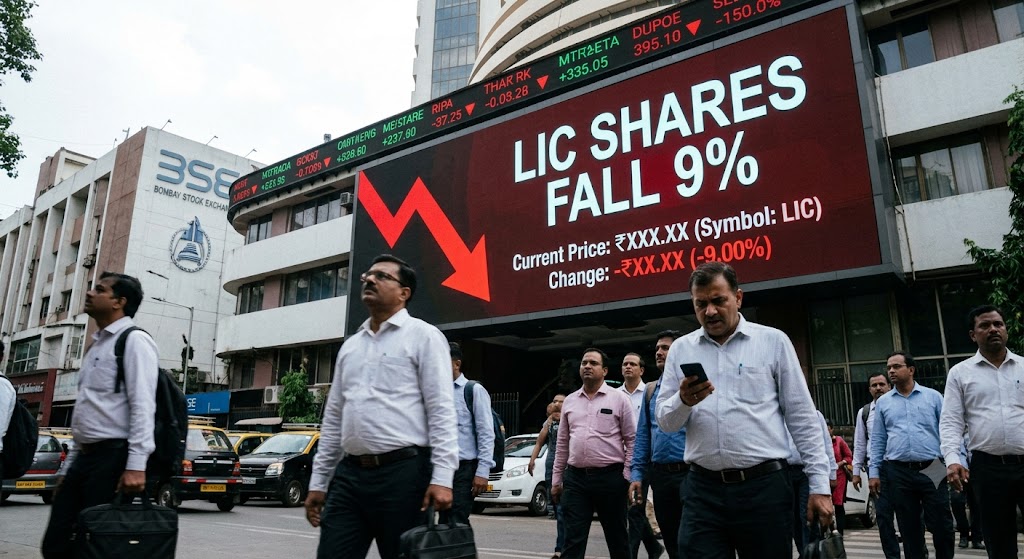
On August 4, 2026, shares of the Life Insurance Corporation of India (LIC) faced considerable selling pressure, with a reported decline of nearly 9 per cent. This downturn followed the government’s announcement of a fresh stake sale in the country’s largest insurance provider, offering shares at a substantial discount to the current market values. The shares dropped nearly 8.87 per cent during the trading session.

The government established a floor price of Rs 382 per share for the offer for sale (OFS), reflecting approximately 10.9 per cent below LIC’s closing price the previous day. The sizeable discount significantly contributed to the stock’s sharp decline, as investors typically lack incentives to purchase shares at higher prices when cheaper options are available through the OFS.

Details of the Stake Sale

The government plans to sell a 2 per cent stake in LIC in the initial phase, with the possibility of an additional 4.5 per cent sale dependent on investor demand. This could potentially increase the total stake sold to 6.5 per cent. At the preset floor price of Rs 382 per share, the government might collect around Rs 31,400 crore if the entire stake is successfully sold.

The OFS was made accessible to non-retail investors on August 4, while retail investors are invited to participate starting August 5. This marks the first stake sale from the government in LIC since its public listing in May 2022. This sale is pivotal as it allows the government to address specific regulatory and financial goals.

One significant motive behind the sale is the government’s need to enhance public shareholding in LIC. Despite a successful initial public offering (IPO) in 2022, the government retained a dominant stake of around 96.5% in the corporation, allowing public investors only about 3.5%. A successful sale could meet the mandated increase in public shareholding to a minimum of 10% by May 2027.

Impact on LIC’s Share Price

For investors questioning the reasons behind the decline of LIC shares, the immediate response lies in the price point of the OFS. By offering a large volume of shares at Rs 382 each—almost 11 per cent lower than the market price observed on the previous trading day—the government has created a price benchmark that affects market dynamics. Consequently, investors may be discouraged from purchasing shares at higher prices during this sale period.

Additionally, the introduction of a significant volume of shares into the public market through the stake sale further contributes to the downward pressure on prices. However, this does not necessarily indicate any abrupt deterioration in LIC’s underlying operations; rather, it reflects the implications of the government’s pricing strategy.

Investors looking at LIC’s future should keenly observe the demand generated from the OFS, particularly the involvement of institutional investors on August 4. Strong participation from institutions could instil confidence in the market regarding the acceptability of LIC shares at the new price level. Following the completion of the OFS, there will likely be a shift in focus back to LIC’s financial metrics, such as its earnings, premium growth, and market performance, as the market recalibrates its expectations based on the recent price adjustments.

Long or Short, get news the way you like. No ads. No redirections. Download Newspin and Stay Alert, The CSR Journal Mobile app, for fast, crisp, clean updates!

App Store –  https://apps.apple.com/in/app/newspin/id6746449540 

Google Play Store – https://play.google.com/store/apps/details?id=com.inventifweb.newspin&pcampaignid=web_share

Latest News

Popular Videos
