


China And European Union Agree To Regular Trade Discussions Amid Deficit Concerns
The CSR Journal Magazine

China and the European Union (EU) have announced plans to hold ministerial-level trade talks, slated to occur once or twice annually. This decision aims to enhance and realign trade relations between the two entities, as per statements released by China’s Commerce Ministry on Thursday. This new framework for trade and investment consultations underscores the commitment of both parties to navigate the current economic landscape together.

As part of this initiative, China has extended an invitation to EU Trade Commissioner Maro Šefčovič to visit China in the autumn. This visit is expected to contribute significantly to ongoing discussions about trading practices and investments, facilitating a platform for deeper dialogues regarding economic cooperation.

The timing of this agreement is crucial as the EU confronts increasing pressure to address its widening trade deficit with China, which escalated to approximately 360 billion euros (about $410 billion) in the previous year—equating to nearly one billion euros daily. This growing imbalance accentuates the need for both parties to reassess their trade strategies.

EU Responds To Growing Trade Deficit

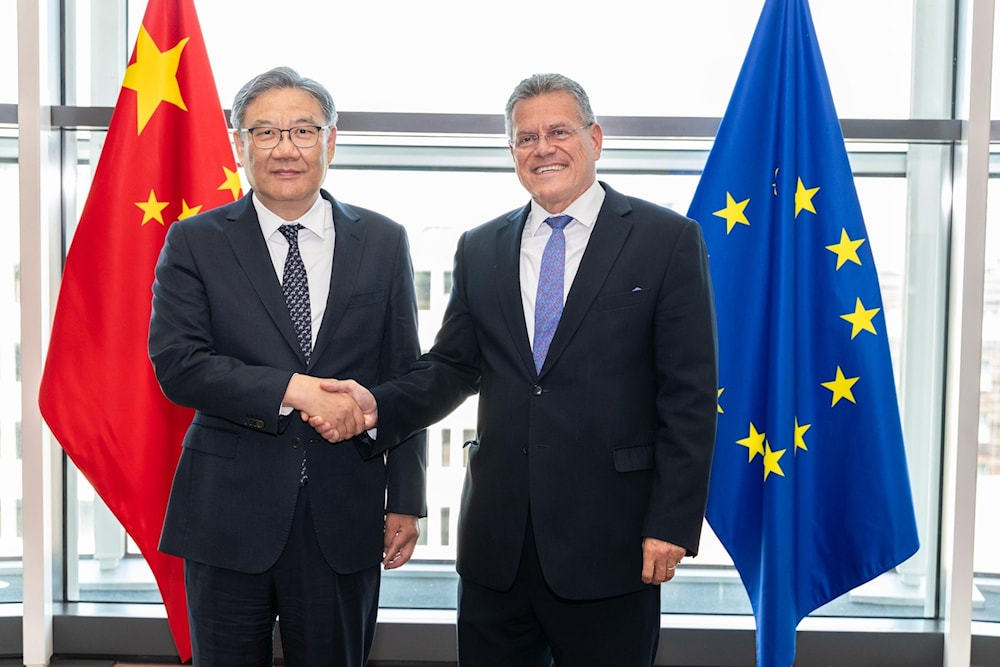
The significant trade deficit has prompted EU officials to prioritise the defence of the European industrial base while advocating for a more balanced global playing field. During a recent meeting in Brussels, Šefčovič and China’s Commerce Minister Wang Wentao discussed these pressing economic issues. In light of these talks, Šefčovič emphasised the necessity for tangible outcomes by October regarding trade rebalancing efforts.

On July 1, the EU implemented new measures aimed at bolstering its steel industry and restricting small e-commerce parcels, policies that appear targeted towards Chinese imports. These regulations articulate the EU’s strategy to mitigate the impact of foreign competition, particularly from China, thus reflecting a protective stance towards domestic industries.

In parallel, a social media account associated with Chinese state media, Yuyuantantian, remarked last week that China is open to increasing imports from the EU. However, this willingness is contingent upon the EU easing its export restrictions on high-tech products from China and avoiding the politicisation of trade and economic matters.

Global Context and Future Collaborations

This latest trade development between China and the EU unfolds against a backdrop of broader geopolitical dynamics. In June, leaders of the G7 nations collectively proclaimed their intention to fortify supply chains, particularly for critical minerals integral to high-tech and defence industries, aiming to diminish reliance on China’s resources.

The recently established trade arrangement indicates a progressive step from both China and the EU towards addressing not only the immediate concerns of market access but also the enduring disparities in trade relations. Both parties are expected to collaborate further in key sectors such as artificial intelligence and renewable energy, areas identified as vital for future growth.

As discussions continue, the importance of achieving a balanced trade relationship remains paramount. Both China and the EU will require ongoing dialogues, especially as they navigate complex economic challenges and strive to forge a mutually beneficial partnership in the years ahead.

Long or Short, get news the way you like. No ads. No redirections. Download Newspin and Stay Alert, The CSR Journal Mobile app, for fast, crisp, clean updates!

App Store –  https://apps.apple.com/in/app/newspin/id6746449540 

Google Play Store – https://play.google.com/store/apps/details?id=com.inventifweb.newspin&pcampaignid=web_share

Latest News

Popular Videos
