


World Bank Cautions Pakistan Over Diverting Balochistan Flood Relief Funds
The CSR Journal Magazine

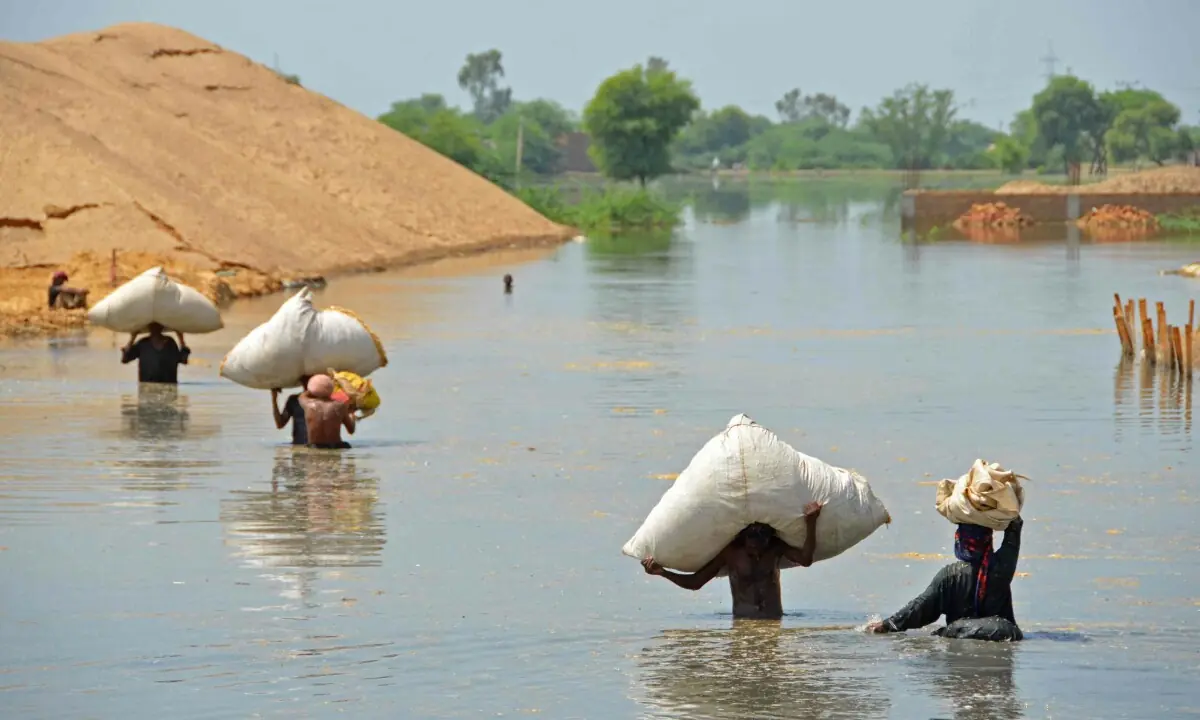
The World Bank has raised significant concerns regarding Pakistan’s recent decision to redirect funds initially allocated for a multi-billion-rupee resilient housing programme designed for flood-affected families in Balochistan. The organisation has highlighted that shifting these resources towards infrastructure projects could exacerbate poverty and increase vulnerabilities tied to disasters. This warning was outlined in a formal communication directed at the federal authorities in Pakistan.

Impact on Vulnerable Households

In its communication, the World Bank expressed that withdrawing housing assistance from families eligible for support may intensify existing socio-economic challenges over time. Notably, the report detailed that 84 per cent of the beneficiaries identified fall into the ultra-poor and vulnerable categories. The statistics indicate that 28 per cent of these households earn less than $30 per month, while another 26 per cent earn between $31 and $70 monthly.

Additionally, the analysis revealed that 39 per cent of the beneficiaries are tenants, 37 per cent work as daily-wage labourers, and eight per cent are classified as small-scale farmers. These households generally possess limited financial resources, inadequate access to formal credit, and few productive assets, rendering them ill-equipped to endure economic or natural shocks.

World Bank Country Director Boloromaa Amgaabazar articulated these concerns following discussions with Pakistan’s federal planning minister and other officials. These discussions were prompted by a recent decision to limit housing support to 62,966 first-tranche beneficiaries, as of June 22, which has further restricted subsidy assistance to 97,000 households.

Exclusions and Grievances

The World Bank has alerted that this policy adjustment has resulted in 119,049 verified and eligible households being left without any identified financial support. The institution has further indicated its apprehension regarding the public announcement of the decision, which was made prior to the establishment of a joint communication strategy.

Moreover, reports suggest that 66,120 grievances relating to exclusions have been recorded in the project’s grievance management system by the agreed cut-off date. World Bank Country Director Amgaabazar has insisted that it is essential for each individual complainant to be informed of the decision, along with a requirement for written confirmation or verifiable proof of communication to be provided to the institution.

The World Bank has warned that families facing exclusion from the assistance programmes might be forced into a downward spiral of severe poverty and heightened disaster risks. Such households may need to reallocate funds meant for essential needs like food, healthcare, and education towards the repair of temporary shelters. This reassignment of resources could lead them to incur debts or liquidate productive assets to meet immediate requirements.

Long or Short, get news the way you like. No ads. No redirections. Download Newspin and Stay Alert, The CSR Journal Mobile app, for fast, crisp, clean updates!

App Store –  https://apps.apple.com/in/app/newspin/id6746449540 

Google Play Store – https://play.google.com/store/apps/details?id=com.inventifweb.newspin&pcampaignid=web_share

Latest News

Popular Videos
