


China Discovers Its First Freshwater Cave Snail Inside a Dark Mountain Cave
The CSR Journal Magazine

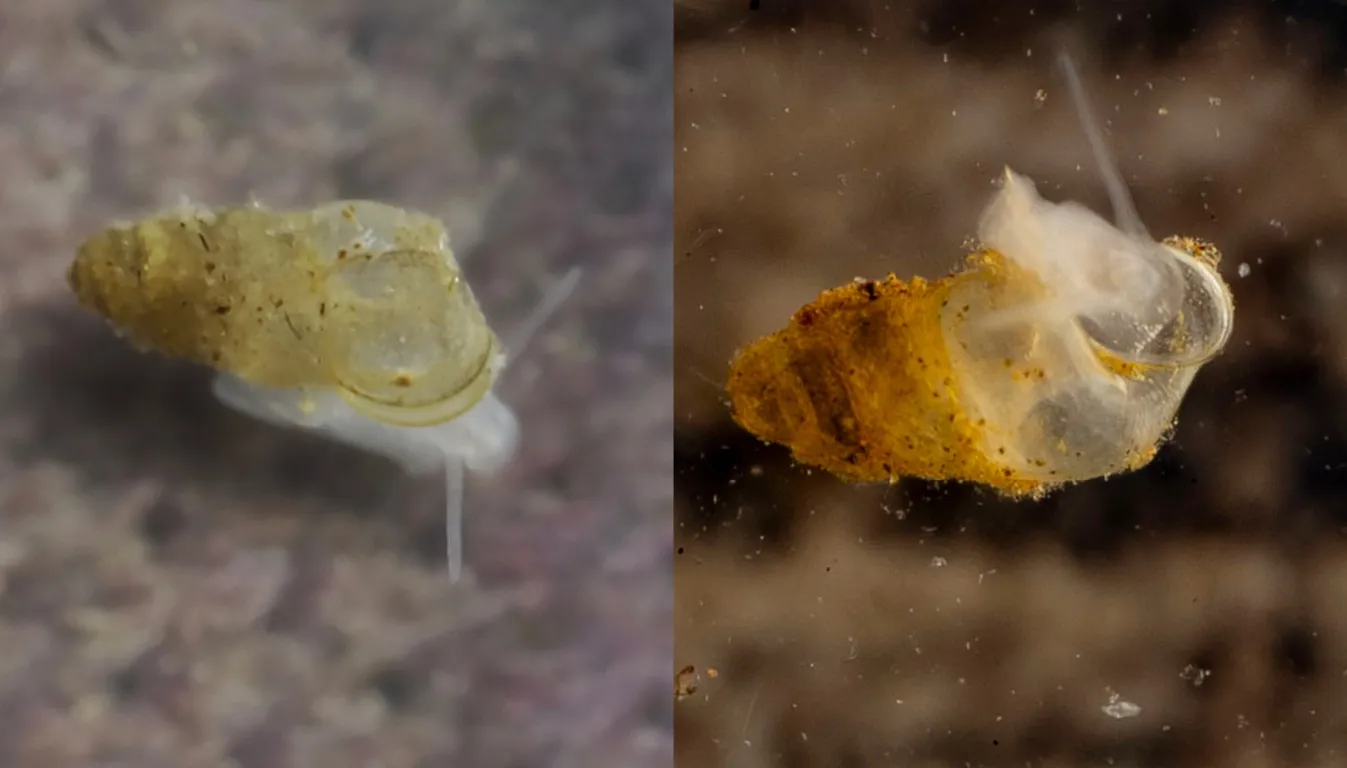
The recent discovery of a previously unidentified species of freshwater cave snail marks a significant achievement in the field of malacology in China. This species, which resides inside a dark mountain cave, reveals both the biodiversity of cave ecosystems and the unique evolutionary adaptations that such environments can foster. Researchers identified the new species after extensive field studies and genetic analysis, which confirmed its distinction from other known snails.

Cave exploration has revealed many unique organisms, but the identification of this snail underscores the importance of conserving these fragile habitats. This snail, capable of surviving in complete darkness, has adapted features such as a reduced shell size and changes in reproductive mechanisms, showcasing the ecological resilience of life even in the most extreme conditions. The discovery was made in a cave in southern China, which has not been extensively explored until recently.

The findings were published in a leading scientific journal, highlighting the growing interest in cave biodiversity and its implications for understanding evolutionary processes. Additionally, researchers stressed that the exploration of such caves is critical, as they often serve as indicators of environmental health and provide insight into climatic changes that can impact broader ecosystems.

Ecological Significance of the Freshwater Snail

The newly identified freshwater cave snail plays a vital role in its ecosystem, contributing to the nutrient cycle and acting as a food source for various cave-dwelling species. This highlights the interconnectedness of cave environments, where even the smallest organisms have specific roles that can affect larger food webs. Researchers suggest that understanding these relationships is crucial for maintaining the health of these ecosystems.

Moreover, the discovery prompts further investigation into the effects of anthropogenic activities on cave systems. In recent years, various natural habitats have faced numerous threats, including pollution and habitat destruction. This highlights the need for conservation efforts focused on protecting these unique environments and their inhabitants.

Scientists plan to conduct further research in the cave to obtain additional data on the snail’s behaviour, diet, and reproductive patterns. Such studies will aid in understanding how these snails thrive in a total absence of light, as well as the risks they might face from external environmental factors.

Future Implications for Biodiversity Research

The discovery of this freshwater cave snail not only adds to the known biodiversity of China but also raises important questions regarding conservation strategies. As biodiversity faces unprecedented challenges globally, researchers assert that findings like these emphasise the critical need for targeted conservation initiatives that focus on lesser-known but ecologically important areas, such as caves.

Beyond immediate conservation efforts, the research could catalyse a broader interest in exploring other unexplored caves across the country. It may encourage collaborative projects among national and international scientists aimed at documenting cave biodiversity, facilitating knowledge exchange and improving conservation methodologies.

Ultimately, this find not only highlights the richness of China’s natural heritage but also epitomises the ongoing need for scientific exploration and ecological preservation. As more species are discovered and studied, understanding their roles within the ecosystem will be essential for ensuring a sustainable future for these unique biological communities.

Long or Short, get news the way you like. No ads. No redirections. Download Newspin and Stay Alert, The CSR Journal Mobile app, for fast, crisp, clean updates!

App Store –  https://apps.apple.com/in/app/newspin/id6746449540 

Google Play Store – https://play.google.com/store/apps/details?id=com.inventifweb.newspin&pcampaignid=web_share

Latest News

Popular Videos
