


Centre Responds to Delhi High Court Regarding Sonam Wangchuk’s Hunger Strike
The CSR Journal Magazine

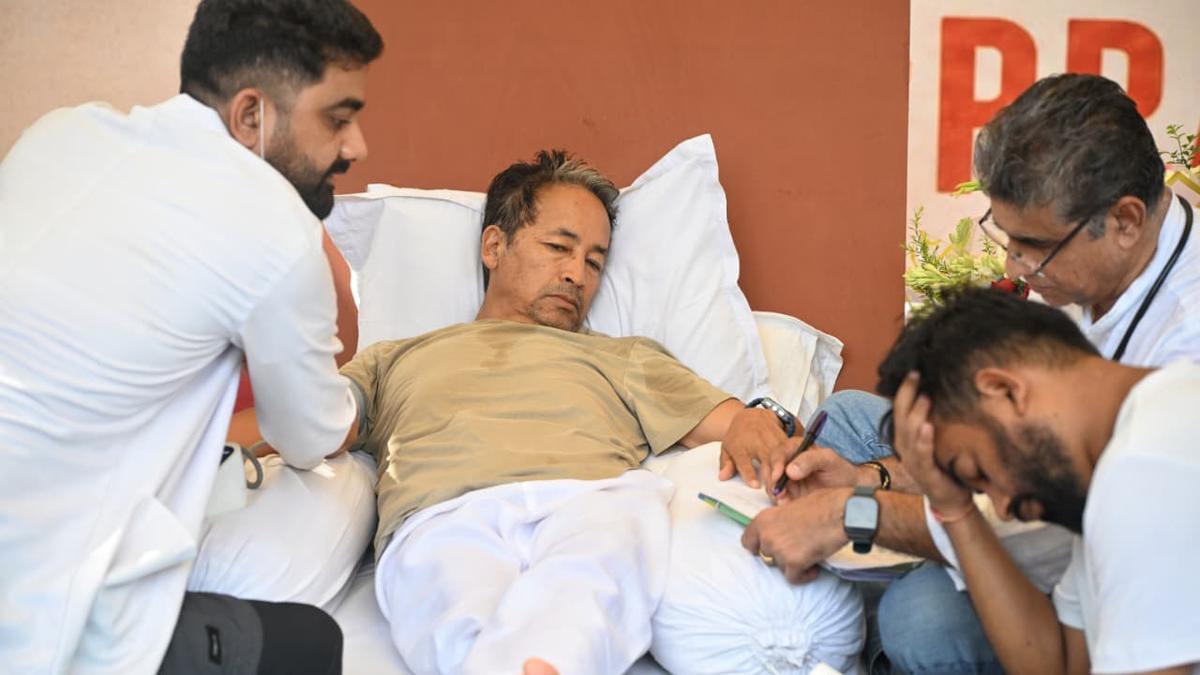
The Centre has stated that it will take necessary action based on medical advice in relation to Sonam Wangchuk’s ongoing hunger strike. This declaration was made during proceedings in the Delhi High Court on July 16, 2026. The court is closely monitoring the situation as it develops.

Background on Sonam Wangchuk’s Hunger Strike

Sonam Wangchuk, a prominent environmentalist and engineer, has been on a hunger strike to draw attention to pressing issues in Ladakh, including environmental degradation and the need for sustainable development. His actions have garnered significant public interest and support, highlighting the importance of local environmental concerns.

Wangchuk’s hunger strike began in early July, and reports suggest he has been advocating for government action to preserve the fragile ecosystem of the region. His commitment to this cause has positioned him as a key figure in the fight for sustainable practices in Ladakh.

As Wangchuk continues to abstain from food, concerns regarding his health have been raised. Medical professionals have been observing his condition closely. The Delhi High Court has instructed the government to ensure that appropriate measures are undertaken to safeguard his well-being while balancing his right to protest.

Judicial Oversight and Public Interest

The Delhi High Court is actively involved in ensuring that the situation is handled within legal and ethical parameters. The judiciary is tasked with safeguarding Wangchuk’s health while upholding his right to engage in peaceful protest. The Centre’s commitment to intervene as needed reinforces the importance of monitoring the health of individuals undertaking hunger strikes.

Moreover, the case highlights broader societal concerns regarding health and human rights in protest situations. The court’s involvement reflects a wider commitment to both individual freedoms and public health standards in India. As the hunger strike progresses, the government is expected to keep the court updated on any developments related to Wangchuk’s medical condition.

Legal experts suggest that the High Court’s direction allows for a balanced approach to the situation, one that recognises the validity of protests while ensuring the health of the protester is not compromised. This development places significant responsibility on both the government and the healthcare system to act in accordance with medical advice.

Next Steps and Future Updates

The situation remains fluid, and the Centre’s response to the court signals a readiness to act. Authorities are likely to remain on alert as the hunger strike continues, and further updates are anticipated. Both the government and the Delhi High Court are committed to a process that respects the rights of individuals while safeguarding public health.

As news of the hunger strike spreads, discussions regarding environmental issues in Ladakh are expected to gain momentum. Wangchuk’s actions may catalyse further dialogue about sustainable practices and government accountability within the region. This could potentially lead to significant policy considerations and adjustments in the future.

The Centre’s engagement with the Delhi High Court signifies a proactive approach to dealing with ongoing protests, ensuring that an individual’s right to protest is balanced with their health and safety. Further developments will be monitored closely by both authorities and the public as this situation evolves.

Long or Short, get news the way you like. No ads. No redirections. Download Newspin and Stay Alert, The CSR Journal Mobile app, for fast, crisp, clean updates!

App Store –  https://apps.apple.com/in/app/newspin/id6746449540 

Google Play Store – https://play.google.com/store/apps/details?id=com.inventifweb.newspin&pcampaignid=web_share

Latest News

Popular Videos
