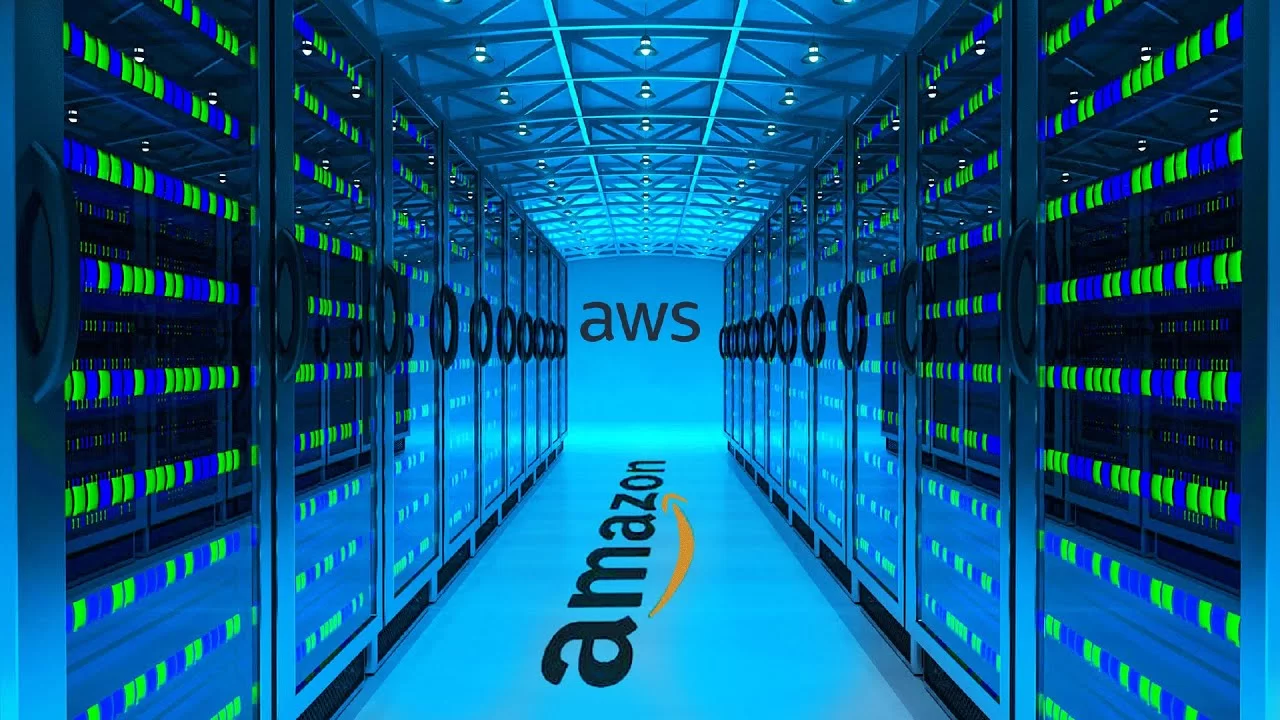
Amazon has disclosed for the first time that its global data-centre operations consumed around 2.5 billion gallons, or more than 9 billion litres, of water in 2025, as growing concerns over the environmental impact of artificial intelligence infrastructure place the industry under increasing scrutiny.
The company said the figure represented a 2 per cent decline from 2024 levels despite continued expansion of its data-centre footprint.
The disclosure comes at a time when governments, researchers and local communities are paying closer attention to the electricity and water requirements of facilities powering AI systems.
Amazon made the announcement through a blog post, noting that its facilities are among the most water-efficient in the industry.
Amazon Claims Lower Water Use Than Rivals
According to the company, its data centres consumed 0.12 litres of water per kilowatt-hour of electricity in 2025, a figure it said was lower than those reported by competitors including Microsoft, Google and Meta.
However, the comparison comes with important caveats. Google’s figures referenced in Amazon’s analysis reportedly relate only to AI-focused Gemini data centres, which generally require more intensive cooling because of the use of high-performance graphics processors.
Reports also indicate that Amazon’s calculations exclude water consumed during the construction of new facilities and the water used by power plants supplying electricity to its operations.
Amazon currently operates around 924 data centres worldwide. A leaked internal memo from 2022 had projected annual water consumption could rise to 7.7 billion gallons by 2030, although the company did not comment on those reports.
Public Concerns Around Data Centres Growing
Concerns over the environmental footprint of data centres have intensified in recent years as demand for artificial intelligence computing has surged.
A Reuters poll conducted until June 8 found that while one-third of Americans supported the construction of data centres, only 14 per cent said they would be comfortable with such a facility being built near their homes.
Meanwhile, the United Nations University Institute for Water, Environment and Health has estimated that global data-centre water consumption could reach 9.3 trillion litres by 2030. According to the institute, that amount would be sufficient to meet the annual domestic water needs of the entire population of sub-Saharan Africa.
Amazon sought to place its own water usage in perspective, stating that Americans collectively consume around 3.3 trillion gallons of water annually on lawns and gardens. The company said that amount is more than 1,300 times greater than the water consumed by its data centres.
Company Aims To Become Water Positive By 2030
Amazon said it intends to become water positive by 2030, meaning it aims to replenish more water than it consumes in direct data-centre operations. The company stated that it has already achieved approximately 75 per cent of that target.
Several Amazon facilities have shifted to treated and reclaimed wastewater instead of potable water. According to the company, 26 sites currently operate entirely on reclaimed water, while contracts have been secured for another 130 facilities globally.
The company said most of its water use is associated with cooling servers. It added that outside air provides cooling for approximately 90 per cent of the time, with water-based evaporative cooling deployed only during the hottest periods of the year.
Amazon’s disclosure comes amid broader calls for transparency in the sector. In Oregon, the city of The Dalles recently agreed to release records related to Google’s water consumption after a prolonged legal dispute. Utah has also become the first US state to mandate annual public disclosure of water usage for certain new data-centre projects.
As artificial intelligence drives unprecedented demand for computing power, the environmental impact of the infrastructure supporting it is expected to remain a key issue for technology companies and policymakers alike.
Long or Short, get news the way you like. No ads. No redirections. Download Newspin and Stay Alert, The CSR Journal Mobile app, for fast, crisp, clean updates!
Data centres have recently emerged as a focal point of conflict, particularly in the context of rising tensions involving Iran. Three Amazon data centres...