


Amazon Constructs Large Gas Power Plant for AI Data Centre Amid Pollution Concerns
The CSR Journal Magazine

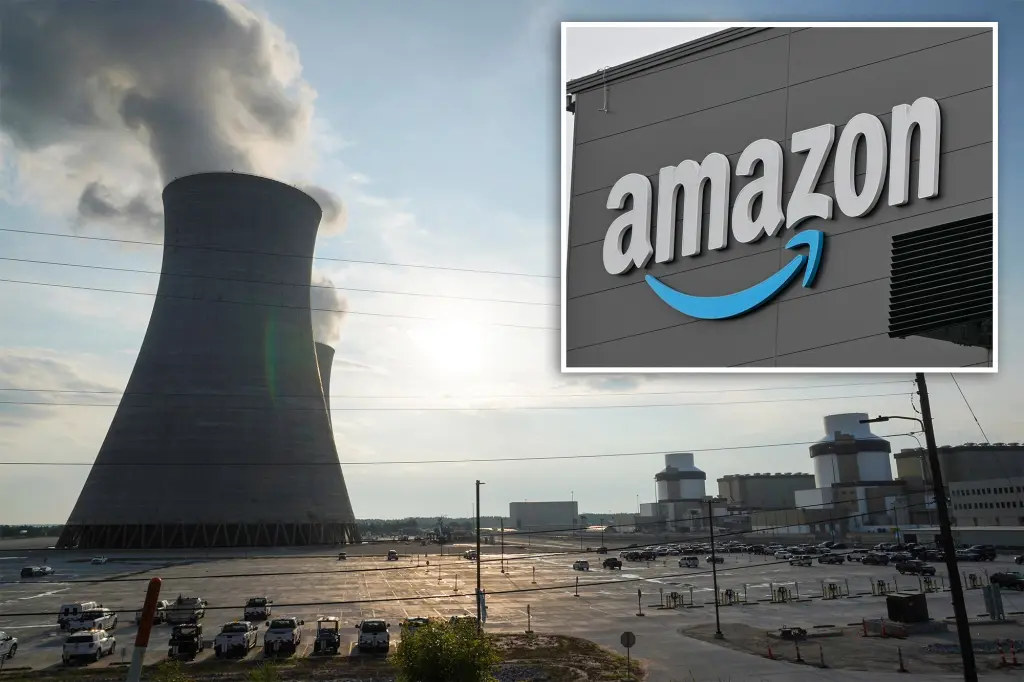
Amazon is in the process of building a substantial natural gas power facility in West Texas, aimed at supporting one of its upcoming data centres. The project, named GW Ranch, is situated in Pecos County and has been initiated to meet the increasing demand for artificial intelligence services. This power station is notable not only for its size but also for its potential environmental impact.

Unlike typical power plants that supply electricity to the general grid, GW Ranch is primarily designed to generate power specifically for Amazon’s data centre. The facility will house 35 natural-gas turbines, which are expected to produce approximately 7.65 gigawatts of electricity. Amazon has reportedly acquired the site and intends to utilise the output from the plant directly for its data processing needs.

Environmental Implications of the Project

The most pressing concern regarding the GW Ranch project is its anticipated greenhouse gas emissions. A report by Cleanview, which monitors data centres and their supporting power structures, suggests that the plant has been granted a Texas permit permitting emissions of up to 33 million tons of carbon dioxide. This number is especially striking as it exceeds the allowable emissions of the largest coal-fired power station in the United States.

Although it is unlikely the plant will reach this maximum emission level, the scale of the permitted amount has fuelled discussions about the potential pollution associated with the facility once it becomes fully operational. The development exemplifies a growing challenge faced by the technology sector, particularly as AI frameworks require immense computing power, leading to increased electricity demands.

In an effort to cope with their rising energy consumption, major tech companies, including Meta and Google, have begun investing in dedicated energy projects like gas facilities, rather than relying solely on the existing electricity grid. This trend indicates a complex environmental trade-off, where the advancements in AI technology necessitate considerable energy resources and may lead to increased emission levels.

Water Usage and Efficiency Concerns

In addition to carbon emissions, the environmental repercussions of Amazon’s data infrastructure extend to significant water consumption. The company has reported that its global data centre operations will withdraw approximately 2.5 billion gallons of water by 2025. For context, this volume could provide two litres of water daily for about 13 million people for an entire year.

Despite expanding its data centre network, Amazon claims that its direct water use has declined by two per cent since 2024. The company has also shared data showing it consumes around 0.12 litres of water for each kilowatt-hour of electricity used at its facilities, which they assert is more efficient than industry benchmarks. Some centres are also utilising treated wastewater to reduce reliance on potable water.

Data centres typically require water to cool their extensive computer systems and prevent overheating. Amazon states that its facilities can operate using external air for cooling roughly 90 per cent of the time, turning to water-based evaporative cooling systems during peak temperatures.

Looking to the future, Amazon has pledged to return more water to local communities than it consumes from its operations by the end of this decade, highlighting its commitment to water resource management.

The Function of Data Centres in Modern Infrastructure

A data centre is a large facility equipped with computers, servers, and storage systems that are essential for running digital services. Each time an individual streams a video, performs a financial transaction, saves a photo on the cloud, or interacts with an AI chatbot, data processing and storage must occur within a data centre. As the power of AI tools expands and their usage becomes more widespread, the infrastructure necessary to support them is rapidly advancing.

Amazon’s new facility in Texas signifies the scale of this expansion and highlights the environmental implications that can accompany such developments. The interplay between technological progress and environmental responsibility continues to be a crucial factor for large corporations as they navigate their growth strategies in an increasingly eco-conscious world.

Long or Short, get news the way you like. No ads. No redirections. Download Newspin and Stay Alert, The CSR Journal Mobile app, for fast, crisp, clean updates!

App Store –  https://apps.apple.com/in/app/newspin/id6746449540 

Google Play Store – https://play.google.com/store/apps/details?id=com.inventifweb.newspin&pcampaignid=web_share

Latest News

Popular Videos
