


Agnikul Achieves Milestone with Successful Test of Four 3D Printed Rocket Engines
The CSR Journal Magazine

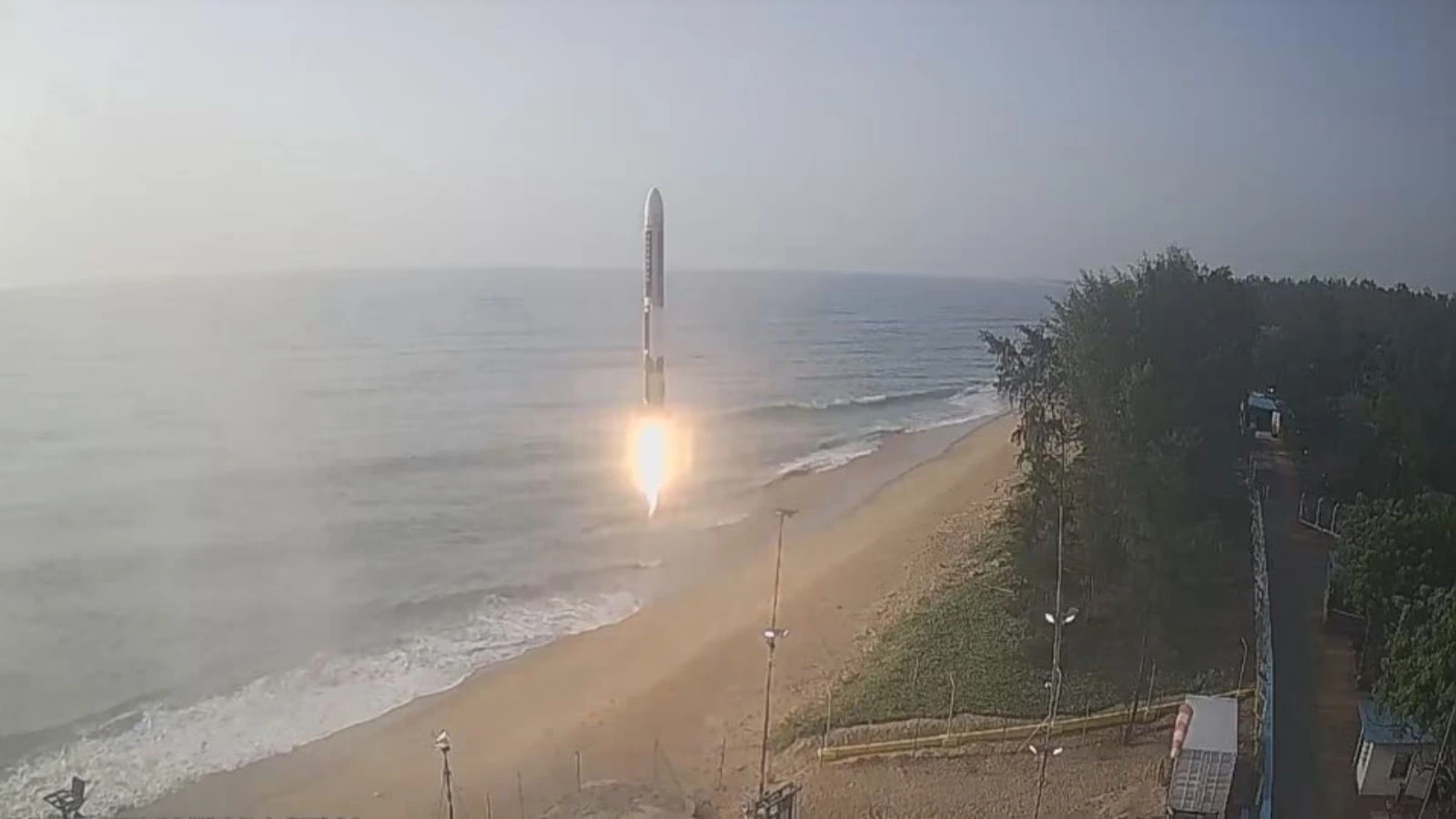
Chennai-based startup Agnikul Cosmos has made a notable advancement in the field of space technology by successfully carrying out a test of four semi-cryogenic rocket engines simultaneously. This marked the first instance of a cluster test involving multiple engines of this type in India. Each of the engines was 3D printed as a single piece in their facility, utilising a unique fuel that simplifies handling compared to traditional propellants.

The testing event involved meticulously synchronising eight pumps and motors, which powered the engines. The team ensured that all components operated harmoniously, starting, running, and stopping together without any complications. This successful execution demonstrates their capability to manufacture engines that function reliably in tandem, an essential requirement for forthcoming launches.

Importance of the Test for Future Launches

The recent testing of the four-engine cluster is crucial, as rocket engines play an integral role in the performance of any launch vehicle. In practical applications, it is vital that multiple engines work precisely together, as even slight discrepancies in power or timing can lead to mission failure. By achieving this successful cluster test, Agnikul has exemplified that their rocket engines can operate effectively as a cohesive unit.

This test builds upon Agnikul’s previous trials involving three-engine configurations, providing valuable data that assists the team in troubleshooting potential issues and enhancing their engine designs. The engines developed during this process are designated to power Agnikul’s Agnibaan rocket, which is intended as a small launch vehicle capable of deploying smaller satellites into orbit in a timely and cost-effective manner.

The implications of this achievement extend beyond Agnikul itself. It contributes to India’s growing stature in the private space sector, enabling innovation and fostering competition in a domain historically dominated by government entities. With this accomplishment, Agnikul sets a precedent for other companies in the industry, demonstrating the potential of private sector involvement in space exploration.

Growth of India’s Private Space Industry

India’s reputation in the global space arena has been bolstered by the Indian Space Research Organisation’s (ISRO) significant accomplishments, which include successful missions to Mars and numerous satellite launches. The government’s recent encouragement of private sector participation in space activities has facilitated the emergence of several innovative startups, including Agnikul. These entities are supported by established institutions such as IIT Madras and ISRO, marking a shift toward a more inclusive model of space innovation.

The adoption of advanced methods such as 3D printing allows Agnikul to create intricate engine components more efficiently and affordably while minimising the likelihood of weak joints. As the demand for satellite launches continues to rise—driven by needs in communication, weather monitoring, and research, agile and economical launch vehicles like the Agnibaan are becoming increasingly essential.

Agnikul’s successful test of the four-engine cluster signifies a substantial step forward for the private space sector in India. While challenges persist as the company aspires to achieve orbital launches, their latest accomplishment demonstrates a promising advance in establishing domestic launch capabilities. This milestone reinforces the potential for private organisations to play a pivotal role in India’s space aspirations.

Long or Short, get news the way you like. No ads. No redirections. Download Newspin and Stay Alert, The CSR Journal Mobile app, for fast, crisp, clean updates!

App Store –  https://apps.apple.com/in/app/newspin/id6746449540 

Google Play Store – https://play.google.com/store/apps/details?id=com.inventifweb.newspin&pcampaignid=web_share

Latest News

Popular Videos
