


Why Rice and Rotis May No Longer Be as Healthy as You Think
The CSR Journal Magazine

The consumption of rice and rotis is a daily practice for millions of Indians, but current research suggests these staples may be less nutritious than previously thought. Recent findings from the Indian Council of Agricultural Research (ICAR) reveal a decline in the nutritional quality of high-yielding varieties of rice and wheat over the years. An analysis involving 528 food samples from six regions across India has demonstrated concerning changes in nutrient levels when compared to data from 1989.

Health professionals express alarm over this issue, noting that it extends beyond merely agricultural practices. The decline of essential nutrients in staple crops is predicted to become a pressing public health concern, particularly given the heavy reliance on rice and wheat in everyday meals.

According to experts, the main issue lies not in food scarcity but in the fact that people are consuming sufficient calories while being deprived of vital micronutrients. This deficiency can lead to a range of health complications, including weakened immune systems, poor concentration, and developmental issues in children.

Health Implications of Nutrient Deficiencies

The inadequate intake of nutrients like iron and zinc poses significant risks, especially in a country where anaemia and other nutritional deficiencies are already prevalent among women and children. Health issues stemming from low micronutrient consumption impact overall wellbeing, leading to fatigue and various long-term illnesses.

In addition to nutrient scarcity, the presence of toxic substances like arsenic in rice is also a growing concern. Rice, often cultivated in waterlogged conditions, shows a tendency to absorb arsenic, posing risks linked to cardiovascular disorders, respiratory ailments, and certain types of cancer with long-term exposure.

A nutrition therapist emphasises the need for dietary diversity, warning that dependency on a narrowly defined diet can amplify health risks. Strategies to incorporate a broader range of grains may mitigate these concerns and improve health outcomes.

Transformations in India’s Food System

Experts trace the current nutritional challenges back to the Green Revolution of the 1960s and 1970s, during which India prioritised the adoption of high-yielding crop varieties. Though this initiative significantly bolstered food security and grain production, a singular focus on yield has reportedly compromised the nutrient density of these crops over time.

Agricultural studies attribute declining nutrient levels in food to various factors, such as the overuse of fertilisers, diminishing soil quality, and intensive farming practices. Experts reiterated that maintaining soil health is crucial, as healthier soil is capable of producing more nutrient-rich crops.

Certain demographics are identified as more vulnerable to the effects of reduced nutritional quality and toxic exposure through staple foods. This includes children, pregnant women, the elderly, and individuals with existing health conditions such as diabetes or anaemia.

Recommendations for Healthier Eating

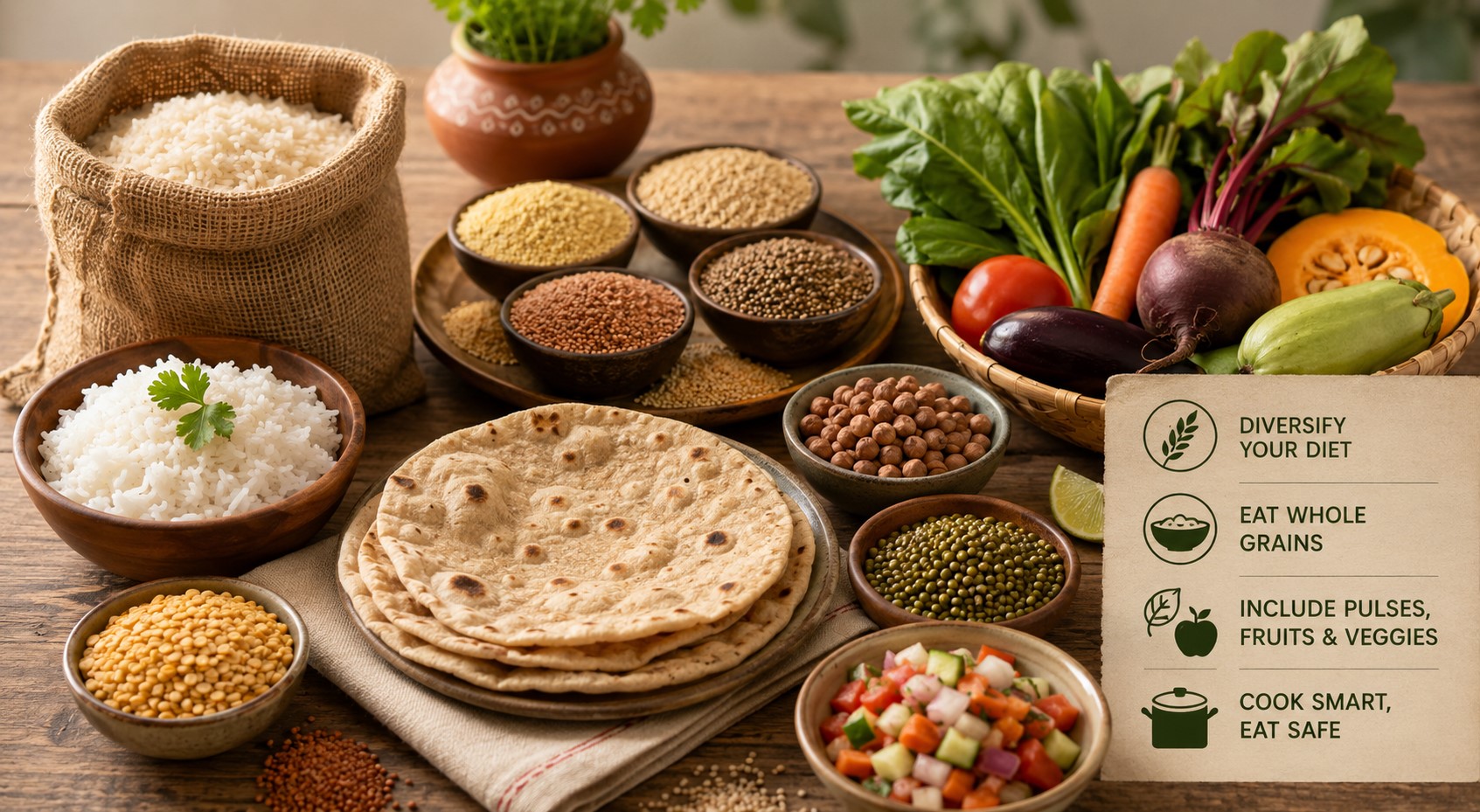
Experts advise against eliminating rice and wheat from the diet but advocate for enhanced dietary diversity. Incorporating traditional grains like bajra, jowar, ragi, and foxtail millet is suggested as these alternatives often require fewer pesticides and are higher in fibre and micronutrients.

Moreover, individuals are encouraged to rotate grains, include pulses and legumes, and consume seasonal vegetables and fruits. These practices are believed to contribute to improved nutritional balance and reduced toxic exposure.

Nutritionists also propose simple cooking methods to mitigate arsenic ingestion, such as boiling rice in excess water and draining it afterward. While the Green Revolution effectively addressed hunger in the past, current challenges now focus on ensuring the nutritional safety of everyday foods in India.

Long or Short, get news the way you like. No ads. No redirections. Download Newspin and Stay Alert, The CSR Journal Mobile app, for fast, crisp, clean updates!

App Store –  https://apps.apple.com/in/app/newspin/id6746449540 

Google Play Store – https://play.google.com/store/apps/details?id=com.inventifweb.newspin&pcampaignid=web_share

Latest News

Popular Videos
