


USS Abraham Lincoln Leads US Blockade Operations In Arabian Sea
The CSR Journal Magazine

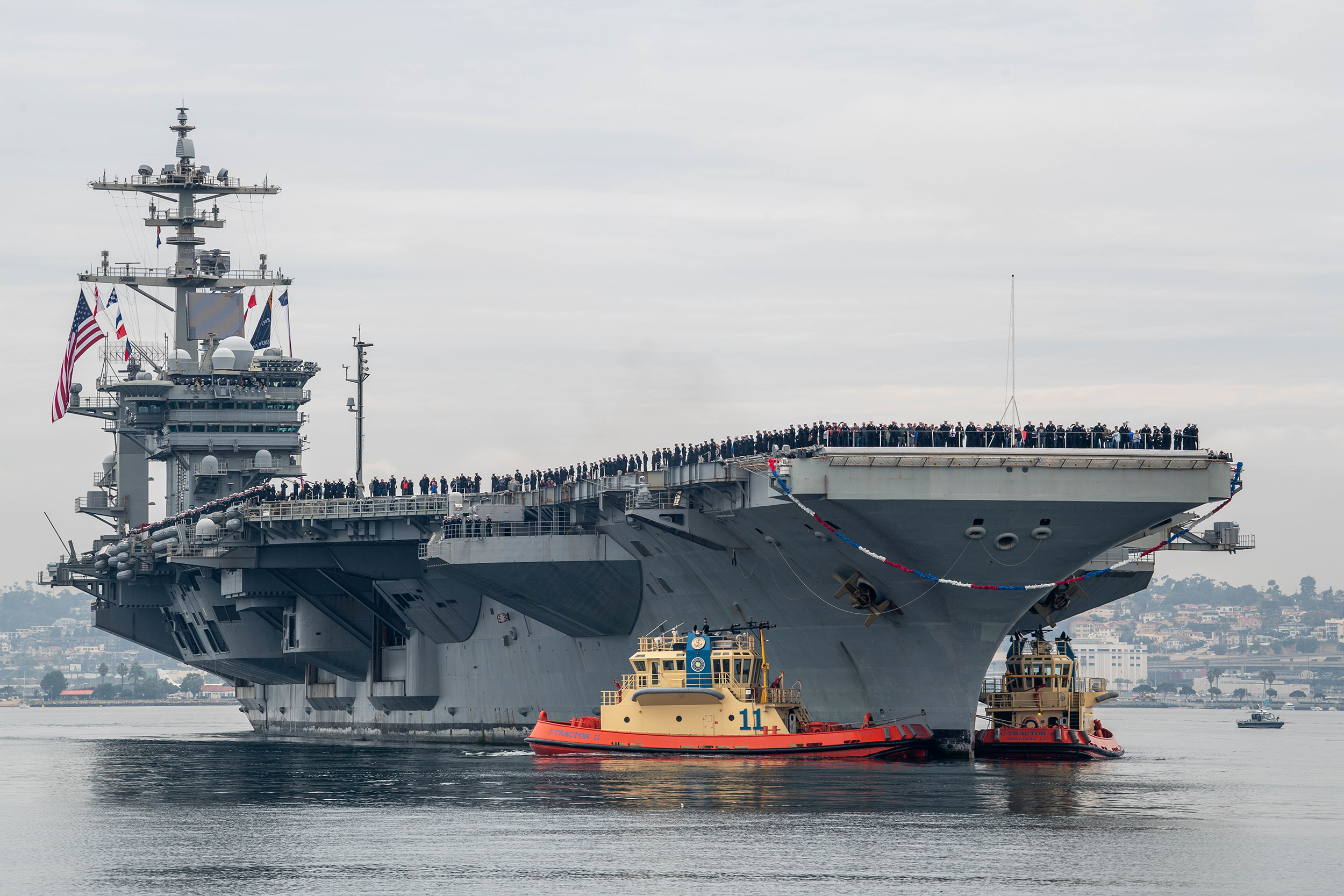
The US Central Command (CENTCOM) has underscored the significance of the aircraft carrier USS Abraham Lincoln (CVN 72) in the current maritime blockade operations taking place in the Arabian Sea. On April 16, CENTCOM shared details regarding the ship’s involvement in these operations via a post on X. The statement emphasised that the USS Abraham Lincoln is actively conducting US blockade operations within the Arabian Sea.

Details shared in the same post revealed the advanced capabilities of the ship’s carrier air wing. This includes the deployment of eight F-35C stealth fighters, F/A-18 fighter jets, EA-18G electronic attack aircraft, E-2D command and control planes, and various helicopters for support. These assets contribute to the operational readiness and effectiveness of US naval forces in the region.

Current Maritime Tensions and Blockade Overview

The blockade operation has emerged amidst rising tensions between the US and Iran, making the presence of the USS Abraham Lincoln particularly noteworthy. CENTCOM described that US forces are diligently enforcing a comprehensive maritime blockade targeting Iranian ports and coastal areas. The operation reportedly involves over ten thousand US personnel, more than a dozen naval vessels, and upwards of one hundred aircraft.

According to a recent update from CENTCOM, the USS Abraham Lincoln is navigating the Arabian Sea while the US continues to block Iranian maritime activities. It was clarified that the blockade does not extend to the Strait of Hormuz. CENTCOM maintains that more than ten thousand American service members, along with 12+ ships and 100+ aircraft, are working to uphold this blockade in the region, ensuring compliance with Presidential directives against any vessels attempting to breach the blockade.

In conjunction with these operations, the USS Delbert D Black (DDG 119), a guided-missile destroyer, is actively engaged in surveillance efforts to monitor vessel movements in proximity to Iranian waters. The destroyer is among the naval assets tasked with enforcing this maritime blockade, particularly with respect to ships trying to enter or exit Iranian ports.

Official Statements on US Naval Actions

US President Trump has publicly acknowledged the ongoing US military initiatives in the region, specifically referencing the blockade in the Strait of Hormuz. He expressed confidence in the effectiveness of these operations, stating that the naval blockade is routine and that the Navy’s performance has been commendable. The President noted that no vessels are currently attempting to navigate through the blockade.

On April 15, US military officials categorically delineated the parameters of the naval blockade. Chairman of the Joint Chiefs of Staff, Air Force General Dan Caine, emphasised that the blockade specifically targets Iranian ports and coastal areas, clarifying that it does not encompass the Strait of Hormuz. He reiterated that the blockade applies to all ships, regardless of their nationalities, indicating a comprehensive approach to maritime security in the region.

The combination of increased naval activity and official statements from US military leadership illustrates the seriousness with which the US is addressing maritime security concerns. As tensions persist, the missions currently being carried out by the USS Abraham Lincoln and other naval assets remain critical in maintaining regional stability.

Long or Short, get news the way you like. No ads. No redirections. Download Newspin and Stay Alert, The CSR Journal Mobile app, for fast, crisp, clean updates!

App Store –  https://apps.apple.com/in/app/newspin/id6746449540 

Google Play Store – https://play.google.com/store/apps/details?id=com.inventifweb.newspin&pcampaignid=web_share

Latest News

Popular Videos
