


Awarapan 2: Emraan Hashmi Returns as Hero in a Gritty Human Trafficking Thriller Set in Bangkok
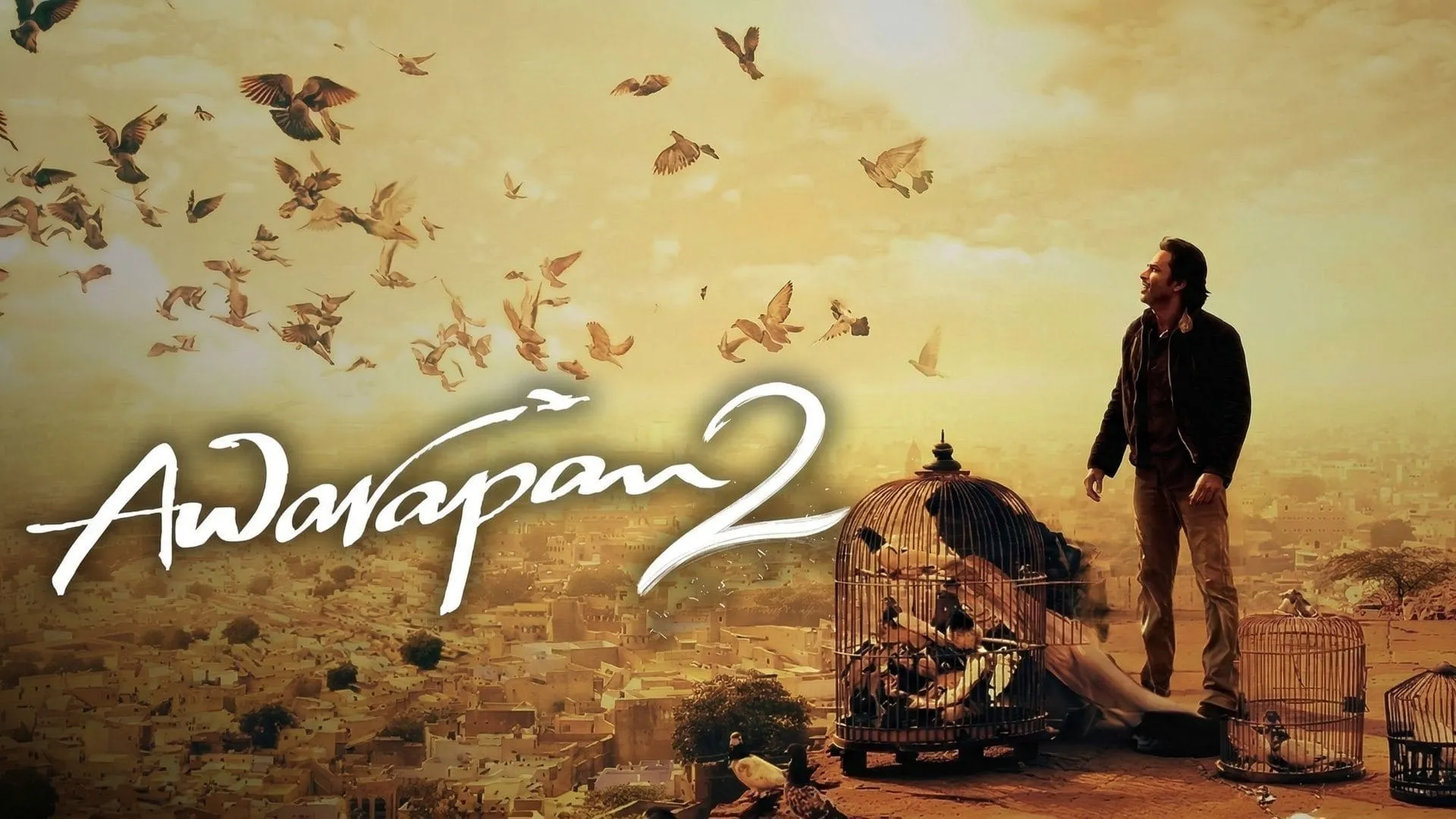

The film crafts a unique emotional tether between Pandit and Zara, portrayed by Disha Patani, a trained violinist with a tumultuous familial background. Despite their connection, the storyline struggles to fully explore the depth of their relationship, leaving some emotional beats unaddressed. This lack of development may detract from the overall impact of their bond.
The dynamics between the characters suggest a missed opportunity for more profound interactions. The film alludes to romance but opts for restraint, which may leave audiences longing for a more passionate connection between Pandit and Zara. This creative choice adds an unnecessary layer of tension, disconnecting viewers from the potential emotional stakes at play.
The antagonists present another layer of critique as they fail to evoke a genuine sense of threat. Puran Gabbi’s character, Zorawar, does not meet the expectations set by previous portrayals in the Awarapan franchise, while Suvinder Vicky’s performance as Jaideep injects some authenticity into his role without overshadowing the narrative.
The cinematography and direction, led by Nitin Kakkar, complement the film’s dramatic moments, although the narrative occasionally suffers from predictability. Awarapan 2 showcases Hashmi in a manner that reminds viewers why his performances have resonated in the past. Despite the screenplay’s periodic shortcomings, his presence serves as a reminder of the strong emotional core the film seeks to convey.
Despite its flaws, Awarapan 2 succeeds at captivating fans of Hashmi. The film offers a blend of action and emotion, engaging viewers who appreciate his on-screen persona. It strives to merge various themes, from romance to action, acknowledging its attempts may not always land successfully. Nonetheless, the experience remains anchored by Hashmi’s powerful performance, ensuring that his fans are left satisfied with this reunion.
© Copyright 2024 The CSR Journal. All Rights Reserved | Powered by : Inventif Web