


Iran Launches Attack on US-Owned Vessel, Escalating Regional Tensions
The CSR Journal Magazine

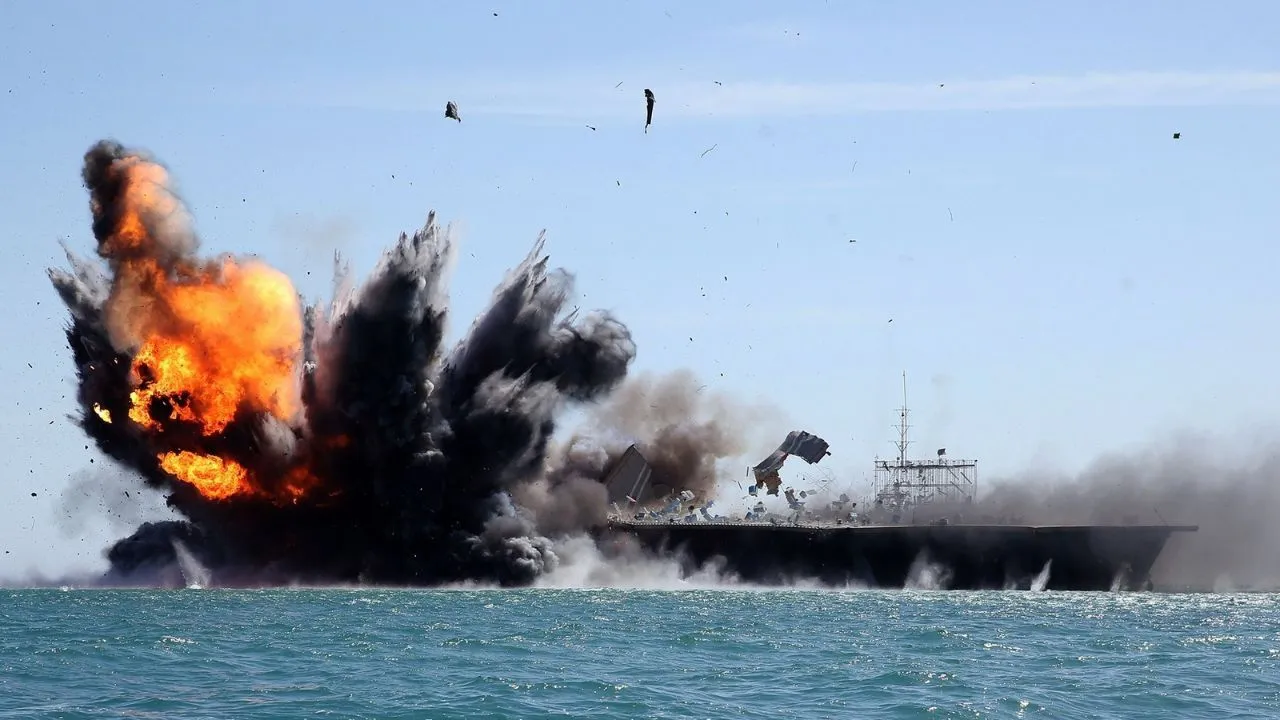
On July 29, an unidentified drone targeted the US-owned vessel Energos Winter, igniting a fire that subsequently spread to the Greek-owned LNG tanker GasLog Salem. Both vessels were docked at Damietta, a significant natural gas hub in Egypt. This incident marks the first attack on Egyptian soil since the onset of hostilities between the US and Iran began in February 2023. While no group has claimed direct responsibility, there are strong indications that Iran may be behind the strike.

Iran has demonstrated a consistent capability for precise and long-range targeting in this ongoing conflict, which has seen attacks extending across various maritime regions including the Mediterranean Sea, the Red Sea, the Persian Gulf, and the Arabian Sea. By successfully identifying and targeting specific vessels, Iran has intensified the scale and scope of its military actions over the past five months.

This drone strike occurred shortly after coordinated US and Saudi actions against Iraqi militias, resulting in the reported deaths of 20 members affiliated with Iran-backed groups. Thus, the attack on the Energos Winter occurs within a rapidly escalating context of West Asian conflict.

Wider Implications for Maritime Security

The strike on the US vessel indicates a concerning trend whereby Iran is expanding its influence over another critical maritime chokepoint: the Suez Canal. Located approximately 70 km from Damietta, the Suez Canal serves as the primary maritime route connecting Europe and Asia, managing roughly 12 per cent of global trade. Iran’s ability to strike near such vital infrastructure raises alarm over its potential to disrupt international shipping lanes.

The Suez Canal has previously remained unaffected by the ongoing conflict, but the recent drone attack sends a clear message about Iran’s willingness and capability to target this essential waterway, which is situated 2000 km from its borders. Disruptions in the Suez could lead to significant economic ramifications, reminiscent of the 2021 incident where a container ship blocked the canal for six days, causing considerable financial loss worldwide.

In light of this increasing maritime threat, major oil and gas-producing nations in the region are looking to bypass the Persian Gulf by constructing alternative pipelines to the Mediterranean. This strategic shift may be driven by the desire to reduce vulnerability to Iran’s escalating “choke point warfare” capabilities.

Regional Military Developments

In recent developments, the Iran-aligned Houthis have launched attacks on Saudi Aramco’s facilities, indicating a broader trend of escalation in military actions across the region. As the conflict continues to unfold, major powers such as the United States remain vigilant, with its navy operating a significant fleet, including 11 aircraft carriers.

Despite their formidable presence, large warships remain vulnerable in narrow maritime passages to shore-based missiles and drone strikes. Historical instances, such as the USS Gerald Ford navigating at reduced speeds through the Suez Canal, illustrate the potential for unforeseen challenges even for the most advanced militaries.

Consequently, US naval operations have adapted, often avoiding direct confrontation within these strategic chokepoints, as evidenced by the USS George W Bush taking longer sea routes. Such adaptations underscore the evolving nature of naval warfare and the challenges posed by Iran’s advanced targeting capabilities, which may remain unmatched by current US strategies.

Long or Short, get news the way you like. No ads. No redirections. Download Newspin and Stay Alert, The CSR Journal Mobile app, for fast, crisp, clean updates!

App Store –  https://apps.apple.com/in/app/newspin/id6746449540 

Google Play Store – https://play.google.com/store/apps/details?id=com.inventifweb.newspin&pcampaignid=web_share

Latest News

Popular Videos
